
We continue our practical guide to meteorology(here is the first installment on reading pressure maps) and, thanks to Meteomed’s expert meteorologist Riccardo Ravagnan, we will learn how to look at and understand the weather situation in the area where we are going to sail.
Weather data and forecast models
Riccardo starts from a basic assumption, which one must keep in mind, namely: “Today, weather data is everywhere and often free; this is not an advantage if there is a lack of tools and skills to interpret it.”
This bombardment of data certainly creates confusion in the heads of those who have to deal with a navigation, because up to 6 different forecast models can be found on the web without too much effort. Acronyms such as GFS, ECMWF, ICON or AROME each stand for a different forecast model, to which a dedicated map is coupled. Another aspect of meteorology to keep in mind is that weather forecasts are subject to errors, especially in the long run, due to approximations present in the models and particularly in the representation of certain physical processes (parameterizations).
Moreover, the atmosphere is a chaotic system, which means that even small errors in the initial data (due to rounding, for example) can amplify over time. As one can imagine, each model offers a different forecast, not in an absolute sense, but never the same as one another: in fact, the time of the forecast for the arrival of a certain thunderstorm might change, rather than the wind intensity be different.
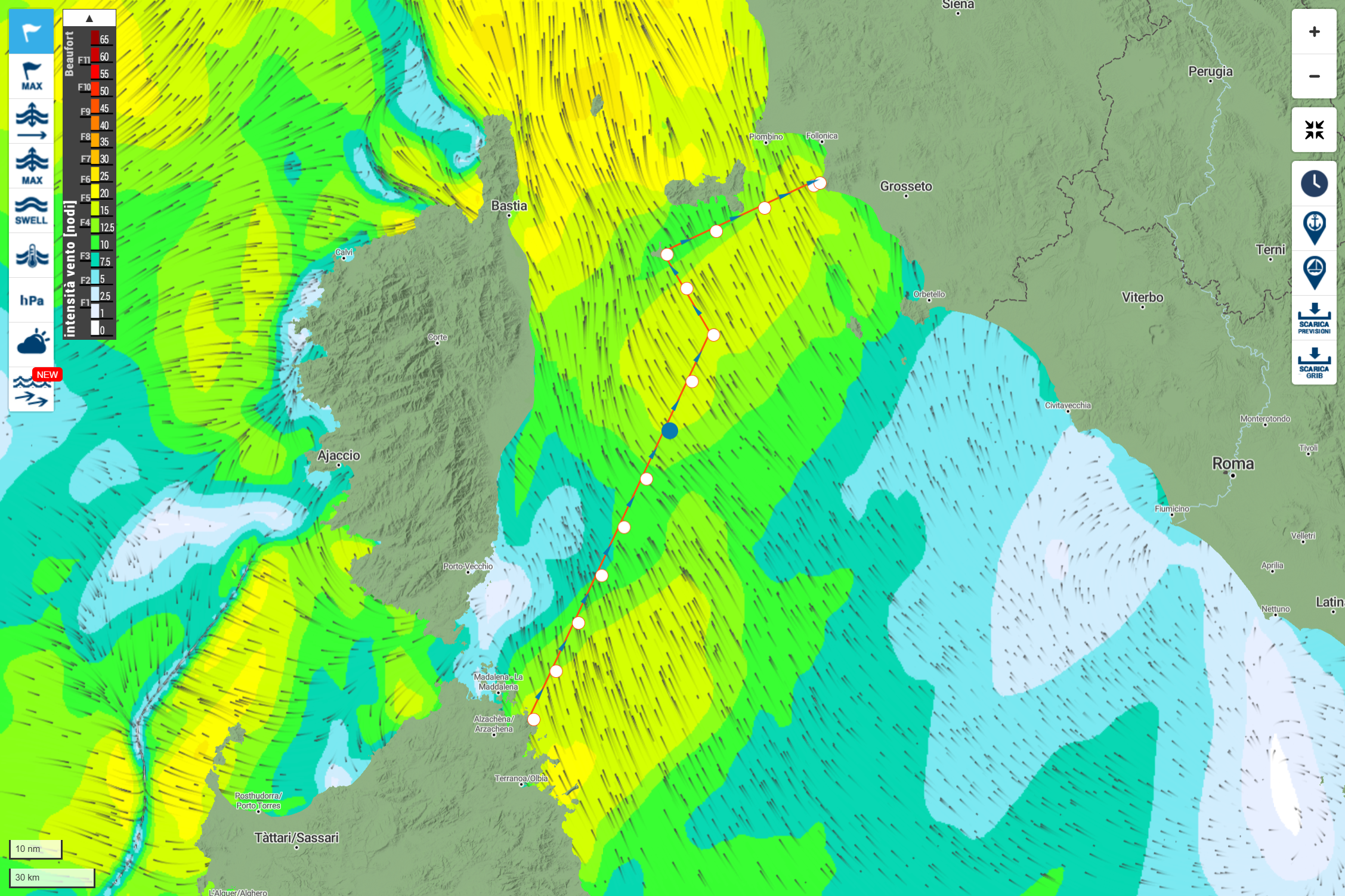
Knowing as exactly as possible the situation of where we are going to sail, however, can make the difference between a calm cruise or a nightmarish one. In this jungle, platforms come to the rescue of sailors that own exclusive forecast models and that, thanks to their weather cartography, can merge the situation of wind, waves and storm phenomena into a single map, reporting the evolution on an hourly basis. Those who rely on these platforms, such as Meteomed, can focus on their navigation, no longer having to try to interpret a myriad of models and “flip a coin” to choose the right one.
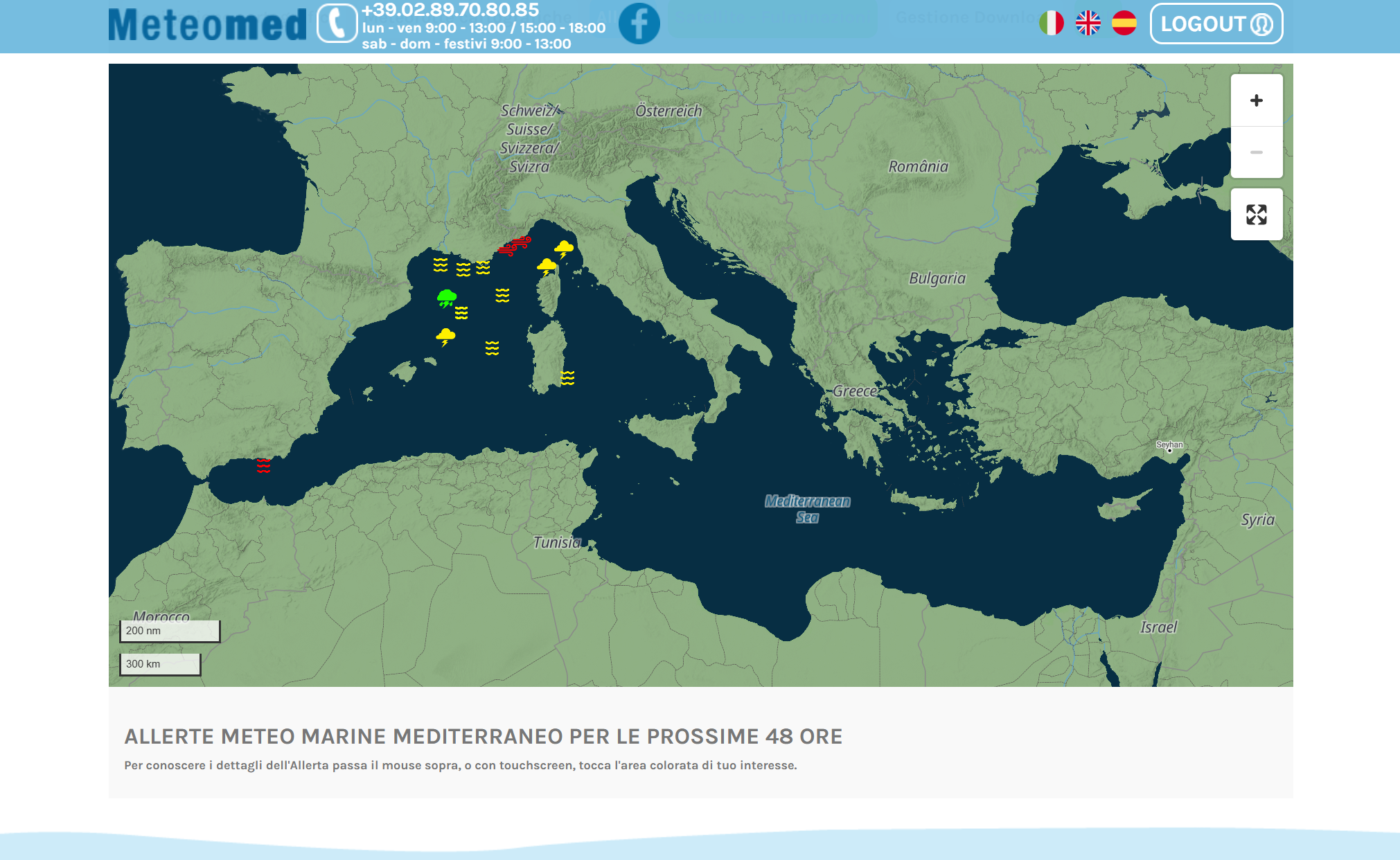
Weather alerts
Before departure, one must also consider weather alerts, which Riccardo Ravagnan tells us are “the epitome of everything beyond data.”
A weather alert is an official notice issued by the relevant authorities that warns of the potential occurrence of intense weather events, such as storm surges or severe thunderstorms. “They are the professional filter that warns when you really need to pay attention,” Riccardo Ravagnan tells us, and again, the problem is fragmentation: “so many users rely on generic sites or apps, without understanding who issued the alert, with what update or for what precise area,” our expert concludes.
Federico Lanfranchi


Check out the latest issue

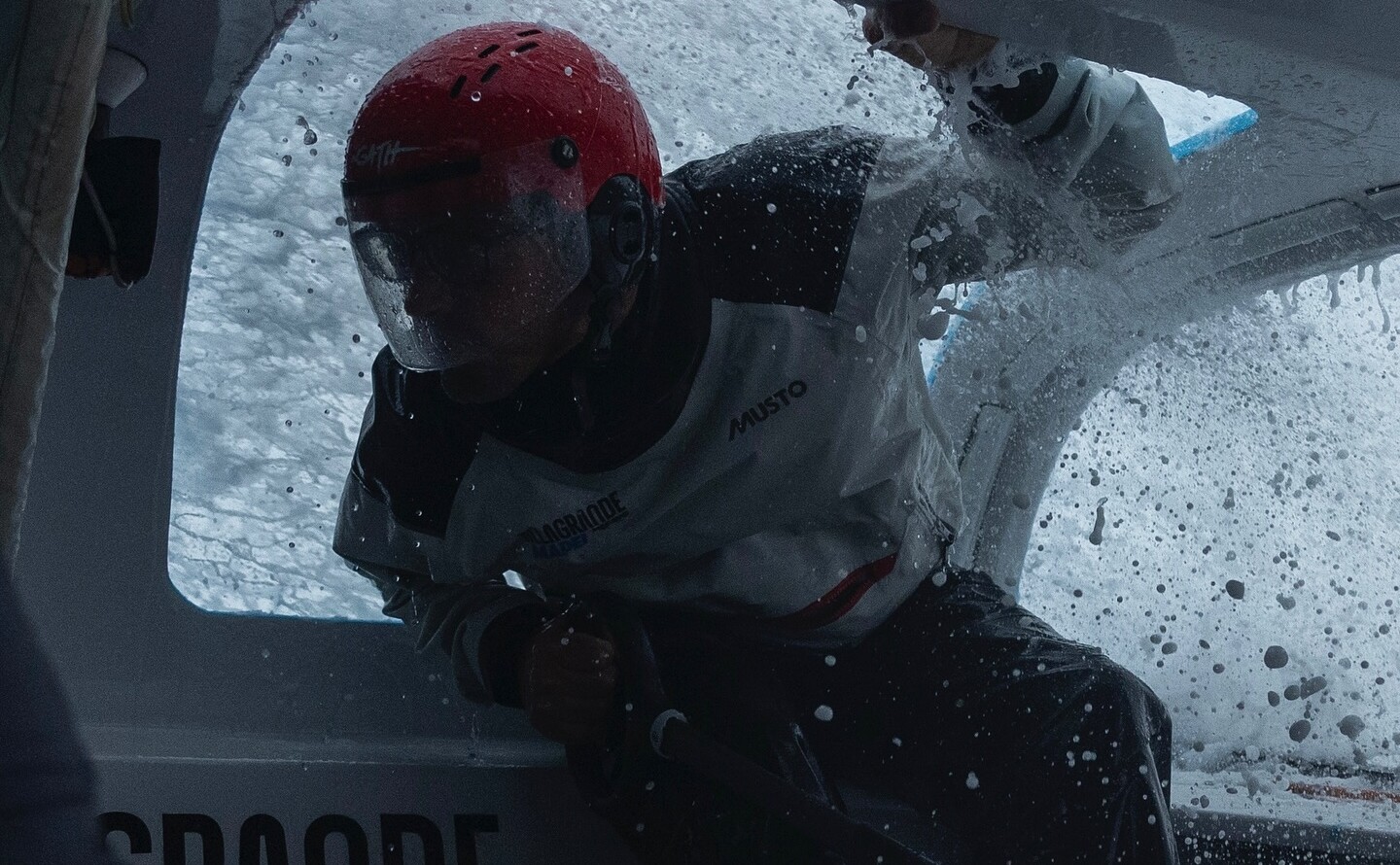
VIDEO – I’ve been aboard an ocean bolide: here’s how to sail on Ambrogio Beccaria’s Imoca 60
It’s not every day you get to board a state-of-the-art Imoca 60 foiler, and especially to do so in the company of one of Italy’s best ocean sailors. We were aboard Allagrande Mapei, the Imoca 60 with which Beccaria is
Go to Barcolana Adriatic challenge: it starts on Sept. 13
The Go to Barcolana Sfida Adriatica returns with an expanded edition. The regatta circuit, promoted by Assonautica Italiana, accompanies sailors and enthusiasts to the Barcolana in Trieste (Oct. 1-12, 2025) and this year is enriched with a new stop in
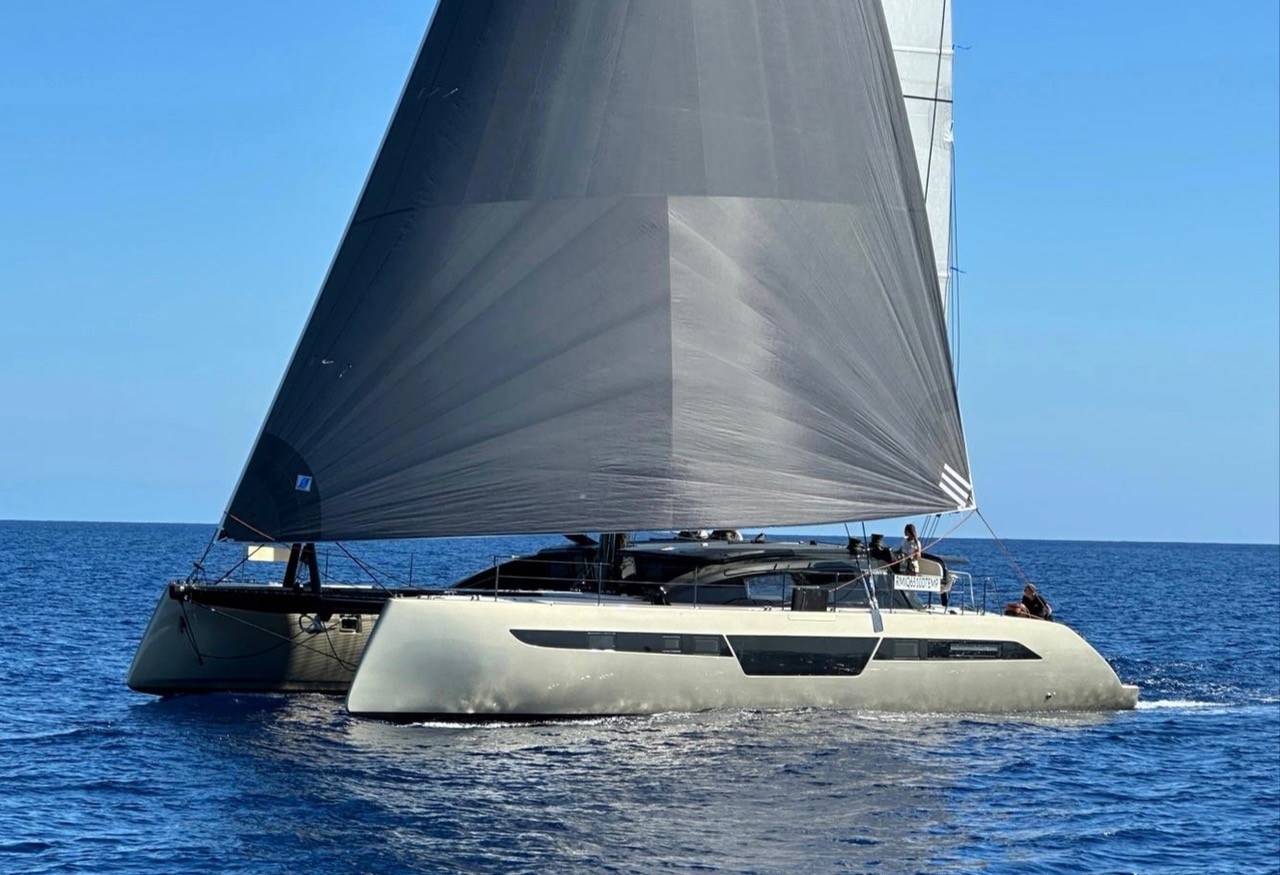
In Cannes with Comar Yachts: the premiere C-Cat 65 (21 m) and C-Cat 48 (15 m)
The C-Cat 48 and the brand new C-Cat 65 crossed the starting line at the Cannes Yachting Festival 2025. An ideal line that marks the boundary between comfortable living and a racing soul: a sporty DNA, already demonstrated by the
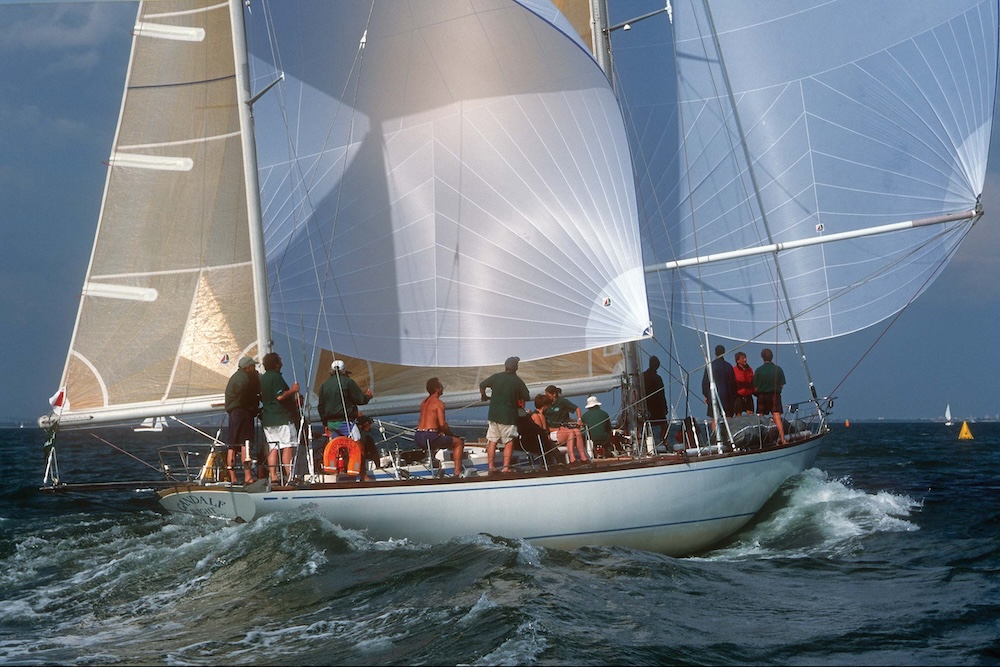
Classic Boat: 6 cult Swan signatures that made sailing history
Having passed the 45th episode of this series devoted to celebrating the most iconic ‘Classic’ hulls, it is time to look at a world-famous shipyard, Nautor Swan. Specifically, however, we will not necessarily look at what are its ‘best boats,’

