
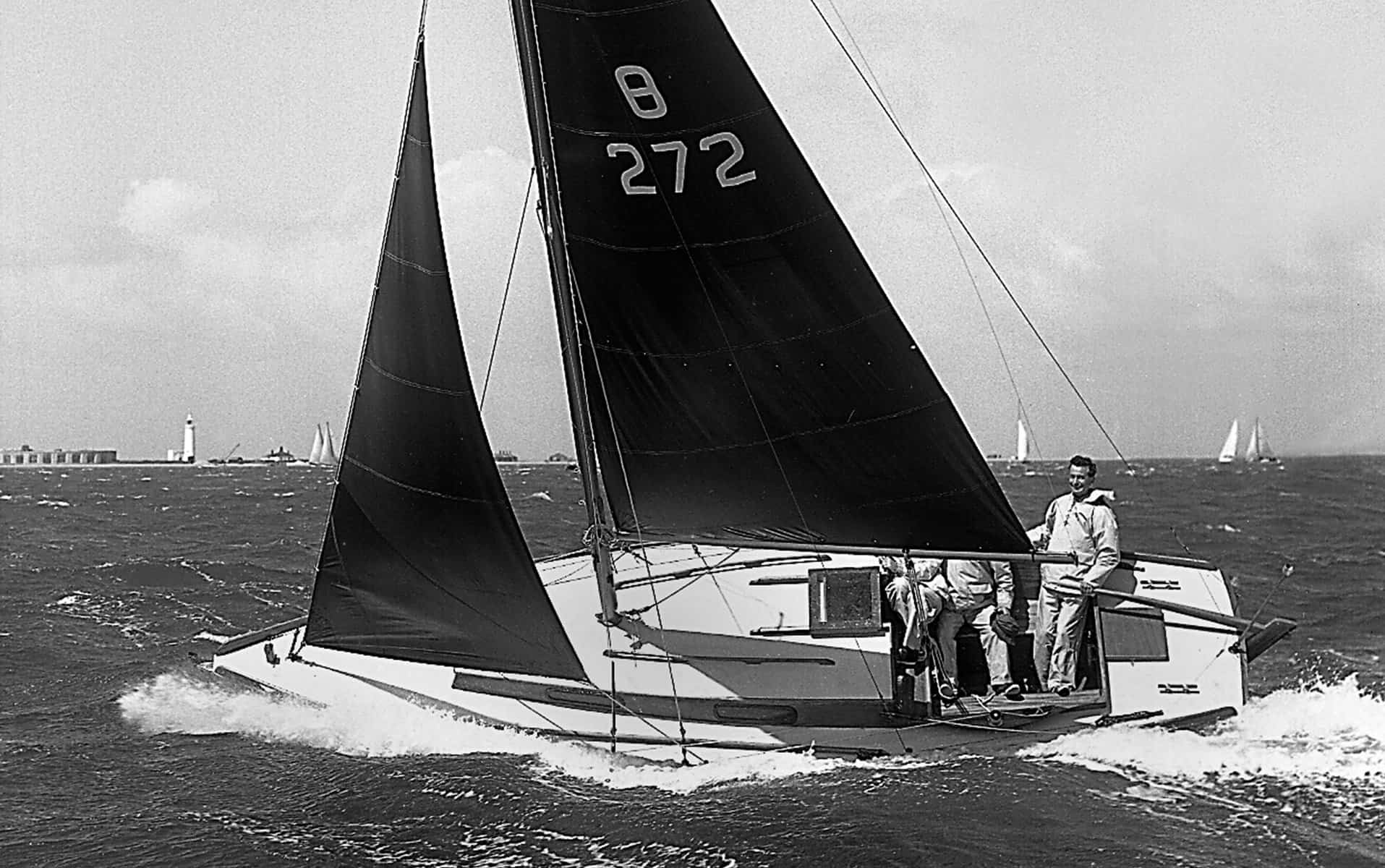
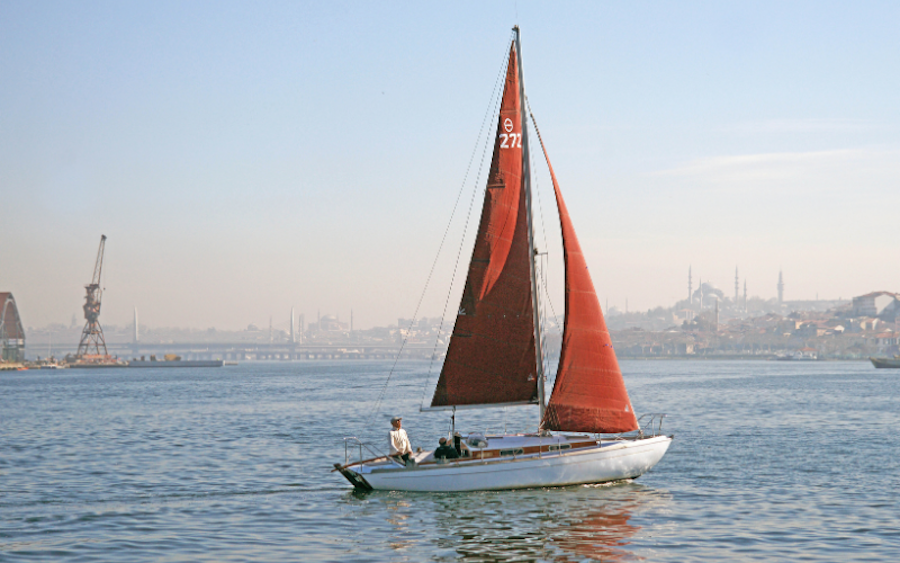
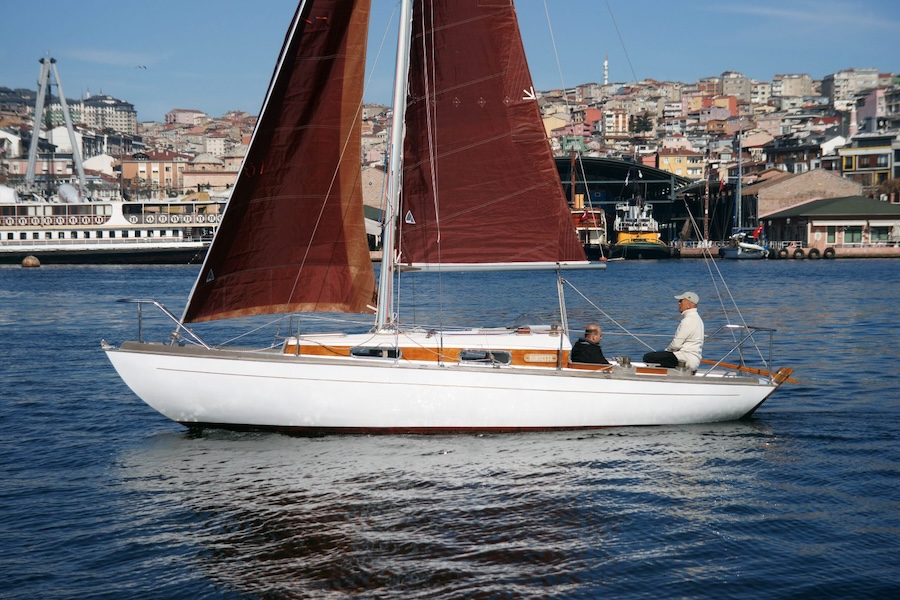
In the heart of the Golden Horn, in Istanbul, a milestone of Italian sailing is officially institutionalized and recognized by the history of international yachting: it is the Rondetto, the exceptional 7.9-meter with which, in 1969, the great Erik Pascoli signed the first solo Atlantic crossing by an Italian. Today, after more than 50 years of sailing, crossings, restorations, beachings and even a sinking, Rondetto has been accepted into the permanent collection of the prestigious Rahmi M. Koç Museum in Istanbul, where it will be displayed as a testament to a near-lost, heroic and minimal sail. A happy ending for a Classic Boat capable of surviving more than an odyssey.
Pascoli’s mythical Rondetto casts anchor in an Istanbul museum.
There was a time when crossing the Atlantic solo was still a headline-making feat. And it was at that time, in 1969, that Erik Pascoli set out from Portsmouth putting his bow on the Caribbean. A crossing destined to make history, inscribing Pascoli and Washer into the legend of Italian sailing. But here is the full story, following the exploits, this time, of Washer.
Rondetto, a Yachting Milestone
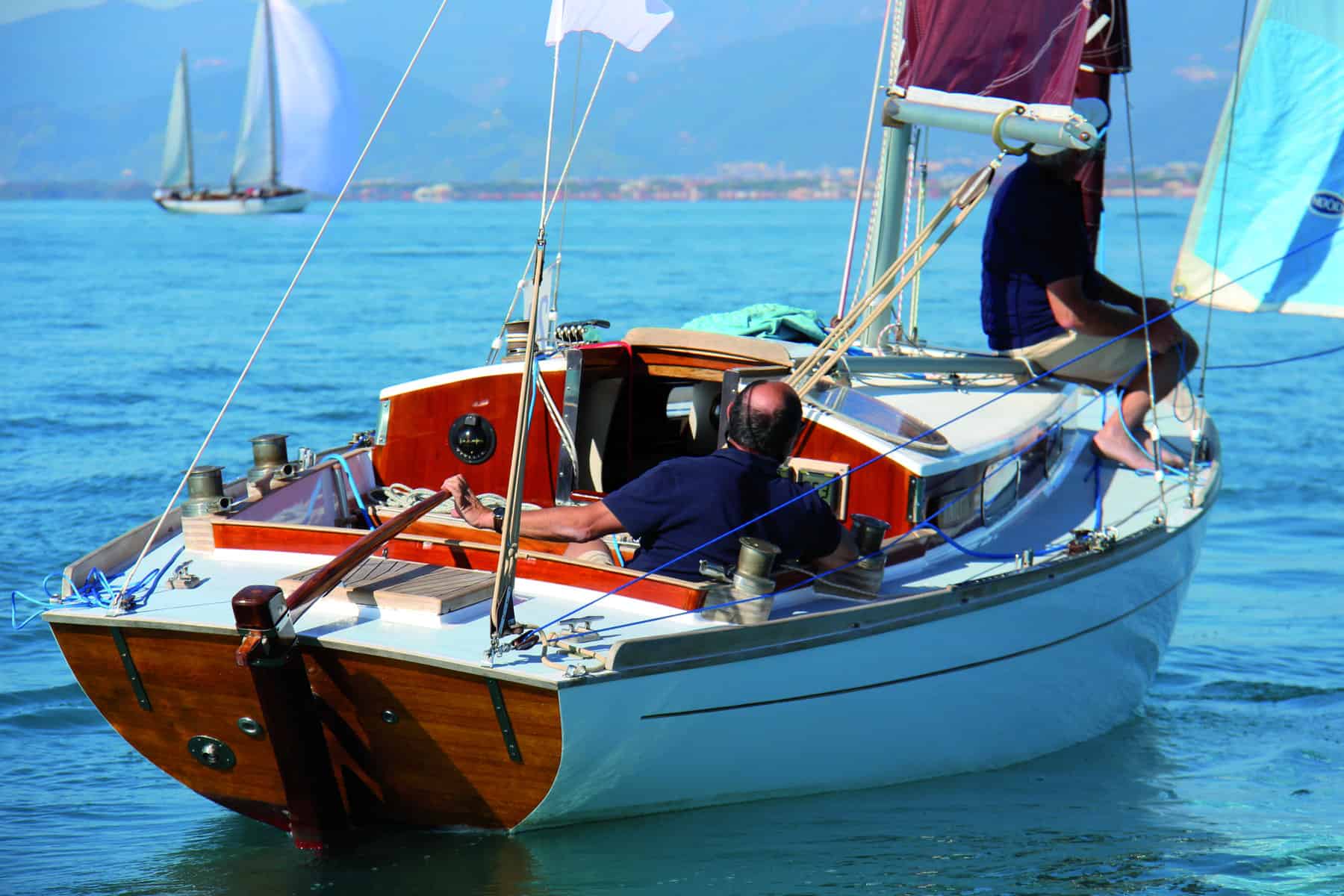
Washer was born in 1965, built by the J.G. Parnham & Sons shipyard in Emsworth, English Hampshire. She is a Bermudian sloop made of Honduran mahogany planking, on oak framework, and measures 6.90 meters at the waterline (LWL), for an overall length of 7.60 meters (LOA). From a design point of view, the design is inspired by that of the Nordic Folkboat-a small Swedish cabin cruiser designed in 1942 by Jac Iversen and Tord Sundén (and circulated in as many as 3,500 examples)-but boasts substantial modifications, starting with the water lines, modified by none other than John Illingworth, who adapts its profiles to improve its seaworthiness and pitch on the wave, with a view to making it a hull suitable for the Junior Offshore Group, which was then racing between England, France and Spain. The planking also eventually turns out to be different from that of the Folkboat, caulked on the Rondetto instead of clinker, as is typical of the Nordic hull.
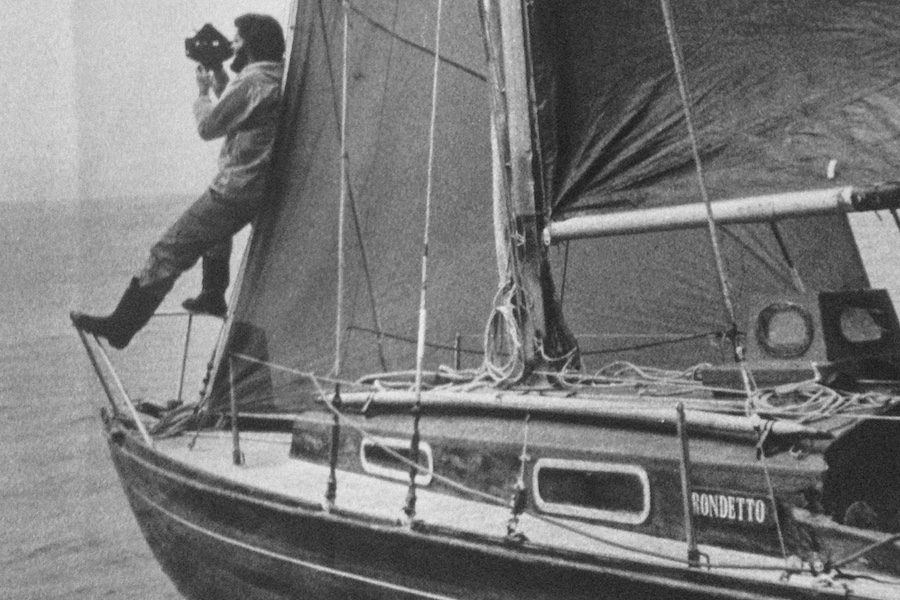
It is only in 1968, however, that we find Rondetto in the hands of Pascoli, who buys it in England on December 20 of that year. On April 3, 1969, he will already be off to the West Indies, ready to spend those 47 days of sailing destined to take him to the Olympus of homegrown sailing. The now-famous feat is also recounted in his own book, “From Portsmouth to Portsmouth. With Swallow Across the Atlantic.” published by Mursia in 1971.
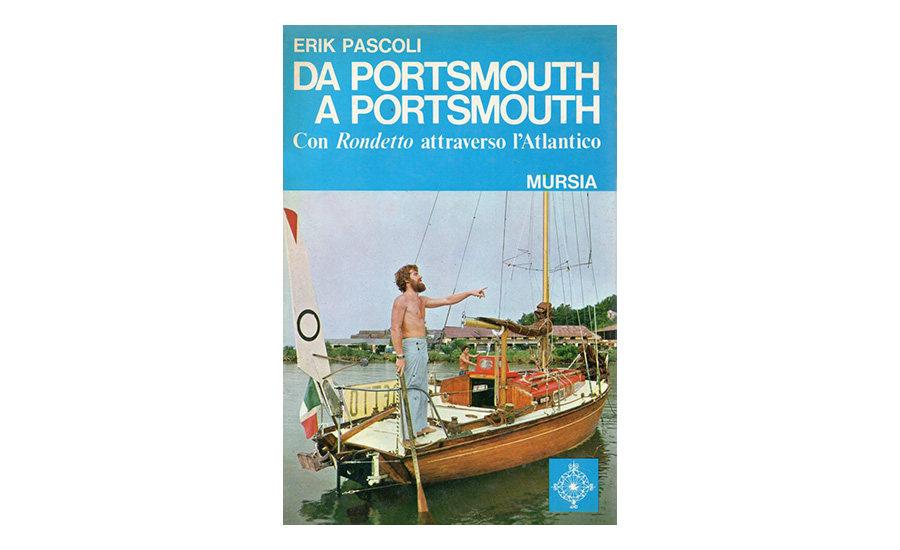
After the crossing the Rondetto remained in the Caribbean for 2 years, with Pascoli on board. It would be in January 1971 that he would undertake the return trip on the Azores (West-East) route: a 53-day voyage from Pointe-à-Pitre to Almeria, Spain. A new feat earned Pascoli both the Italian Yacht Club’s D’Albertis Trophy and the City of San Remo Award from the Yacht Club of the same name. In 1972, Rondetto is transferred by truck from Mentone to Plymouth from where, off the charts, he will participate in the O.S.T.A.R., the Atlantic solo crossing bound for Newport, Rhode Island. Another 48 days solo in the Atlantic (with 9 days of enforced stop) against the portentous Vendredi 13 and Pen Duick IV, would see the Rondetto place second on equal compensated time among monohulls (Royal Western Yacht Club estimates).
It will be a fourth crossing to bring the boat back to Italy, this time embarked on the liner Michelangelo, NY-Genoa route. Pascoli, meanwhile, will take command of the Tauranga ahead of the first Whitbread Round the World Race.
Rondetto and the post-Pascoli
In 1980 Rondetto would change hands, with Pascoli engaged in new ‘adventures’. It was then the turn of Bruno Pietrangeli, who in 1982 subjected it to some restoration work, including refitting the deckhouse, laying a new teak deck, and greening the planking of the living work. With Pietrangeli the boat crossed the Atlantic for a fourth time, from Tenerife to Martinique in 30 days, and a fifth time in 1986, from Gibraltar to Fortaleza in Brazil, 3,300 miles in 41 days. But just a few miles off the Brazilian coast the lone Pietrangeli suffered food poisoning and ended up “dunnage,” leaving the windward helm to steer Rondetto, which beached itself near Fortaleza.
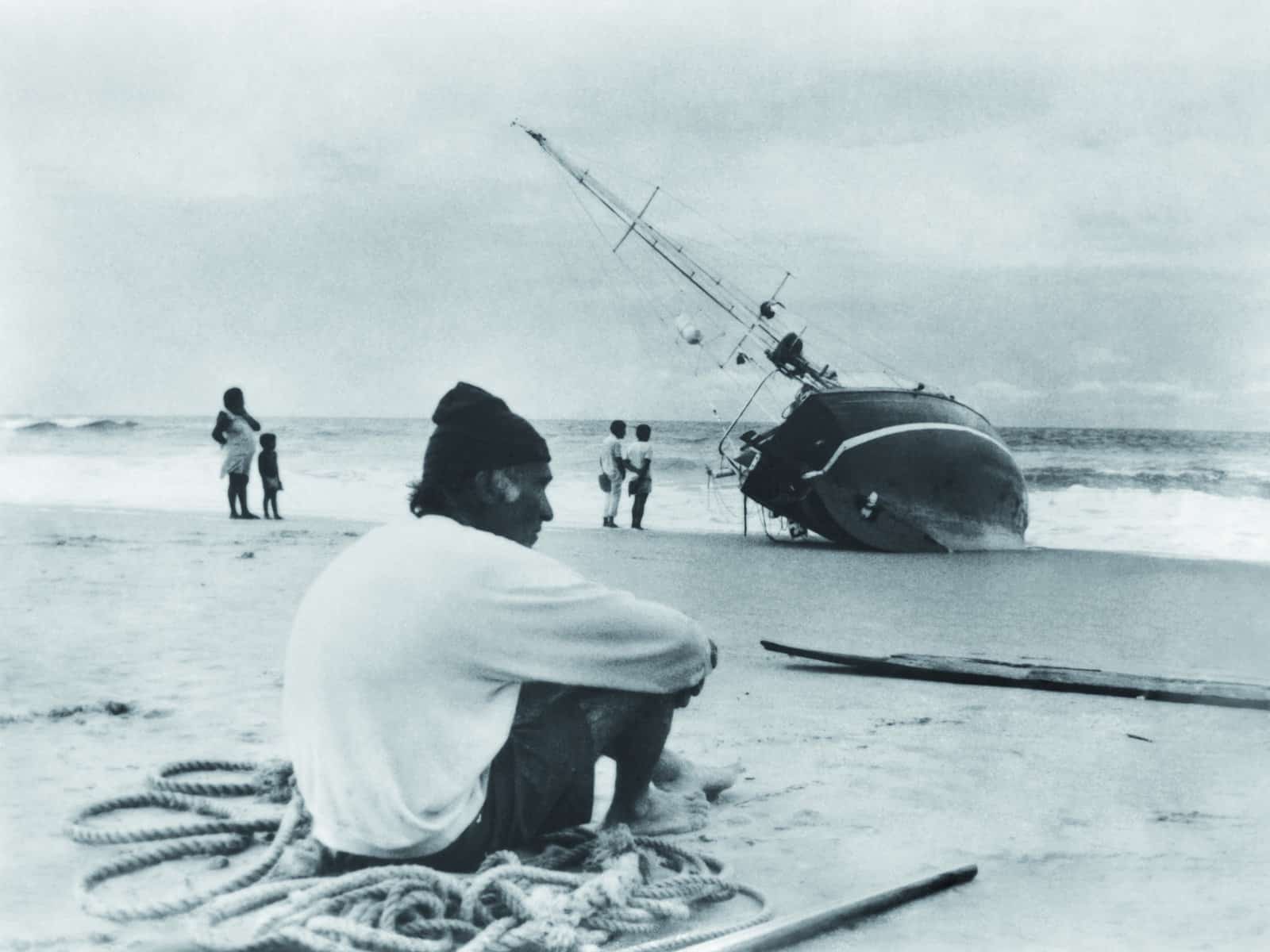
Shipped to Italy via cargo, Rondetto will be refitted at Beconcini. Following this misadventure will then come a new owner, Piero Biaggini, a former pioneer of the Mini 6.50 class. With him Rondetto will sail in the Mediterranean for more than 20 years. Then in 2014 it will be the turn of a new owner, Michele Ivaldi, a great lover of vintage boats who will pamper Rondetto from there on. Until 2018, when the sea gets in the way.
Sinking Washer
On October 29, 2018, a violent sea storm hit the Ligurian coast. The port of Rapallo will suffer the greatest damage, and with it most of the boats of its host hulls. The breakwater is smashed by the sea, all the boats inside are lost, 225 hulls turn out to have sunk… What is presented in the morning is a catastrophic vision, with the harbor’s breakwater swept away and most of the boats literally swallowed by the water. No one has access and private searches are not allowed. On November 25, wreck plans are finally available. Rondetto is listed as “Wreck No. 1” and is in place, sunken at the mooring. After three scheduled and cancelled recoveries, the boat is ballooned by divers on December 22, towed under the travel lift and returned to shore.
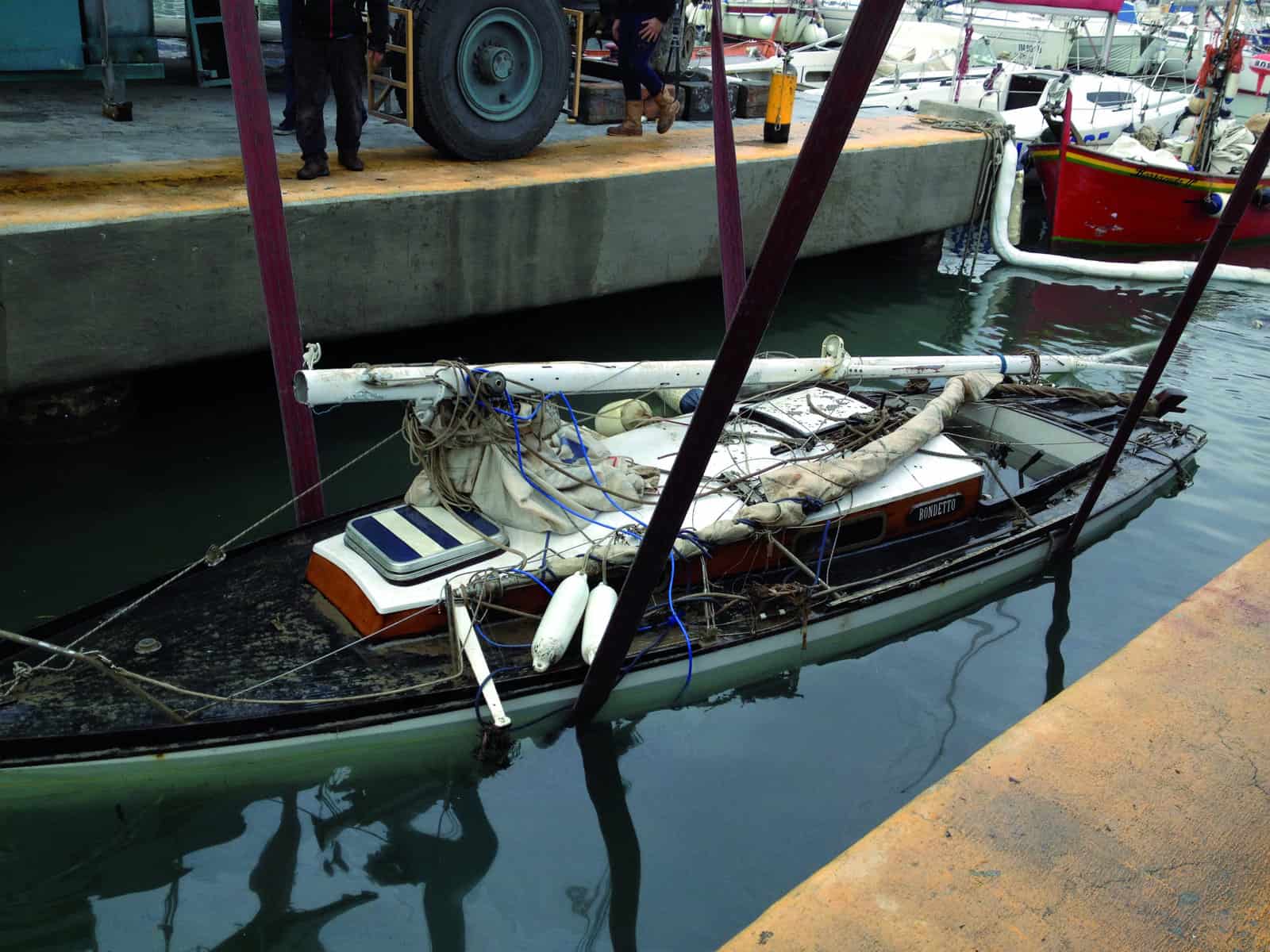
On board mud is everywhere, the mast is bent, the sails are torn, the mainsails uprooted and bent, the deck is full of holes, the pulpits crumpled. If it were not Rondetto, perhaps it would be worth disposing of. For several months Ivaldi spends every weekend dismantling, cleaning, washing, and fixing. Then in June 2019 the move to Pisa to Carol Petek and Nikola Kaljevic’s Maritime Safety Advice takes place, and Rondetto is reborn.
The endless work completed included: replacement of 8 warpheads and 4 beams; repair of a dozen planking boards; and rebuilding of the left hand cockpit guardrail, teak scallops, and rudder blade. The equipment, mainly Lewmar Emsworth, was then entirely replaced, researched and bought back second-hand in England and Ireland. Ivaldi will state, “They didn’t do anything wrong, I didn’t have to have any work redone twice, if anything they redid it themselves because they weren’t satisfied with it.”
In eternal memory
In October 2021 Rondetto was reborn, more beautiful than ever, and made her sea debut at the sixteenth edition of the Raduno Vele Storiche Viareggio. Not much later, however, it was time to give Rondetto a new owner: this is where Turkish Tycoon Rahmi M Koç comes in and immediately grasps its value. And a new phase is born, less action-packed, but strong, at last, in well-deserved celebration. At the prestigious Rahmi M. Koç Museum in Istanbul-one of the most important technical and naval museums in the Mediterranean-Rondetto now finds a new home, displayed as part of the permanent collection. Now, come 2025, in the heart of the Turkish capital, Rondetto will continue to tell its story, a story of resilience and passion, a story capable of crossing oceans and generations, surviving time, the sea and oblivion. A story that rightly deserves to be remembered.
Check out the latest issue

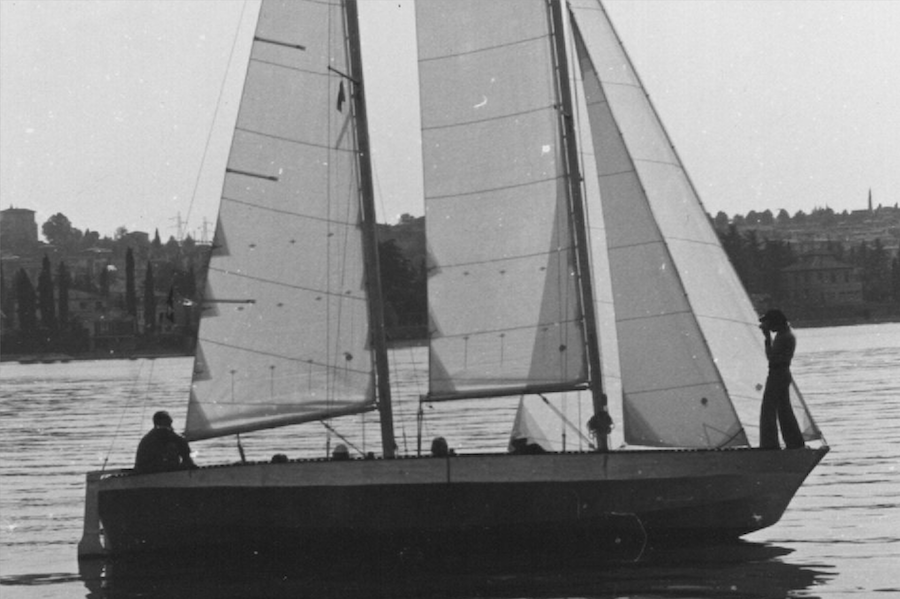
Old boat makes good board! The legendary Fraglia schooner has been “re-launched” after 50 years.
Desenzano, Lake Garda, home of the FVD, Fraglia Vela Desenzano. A Lake classic replicates its launch 50 years after the first time. It is the Fraglia schooner, a light alloy school schooner, the first in Italy to ever be built
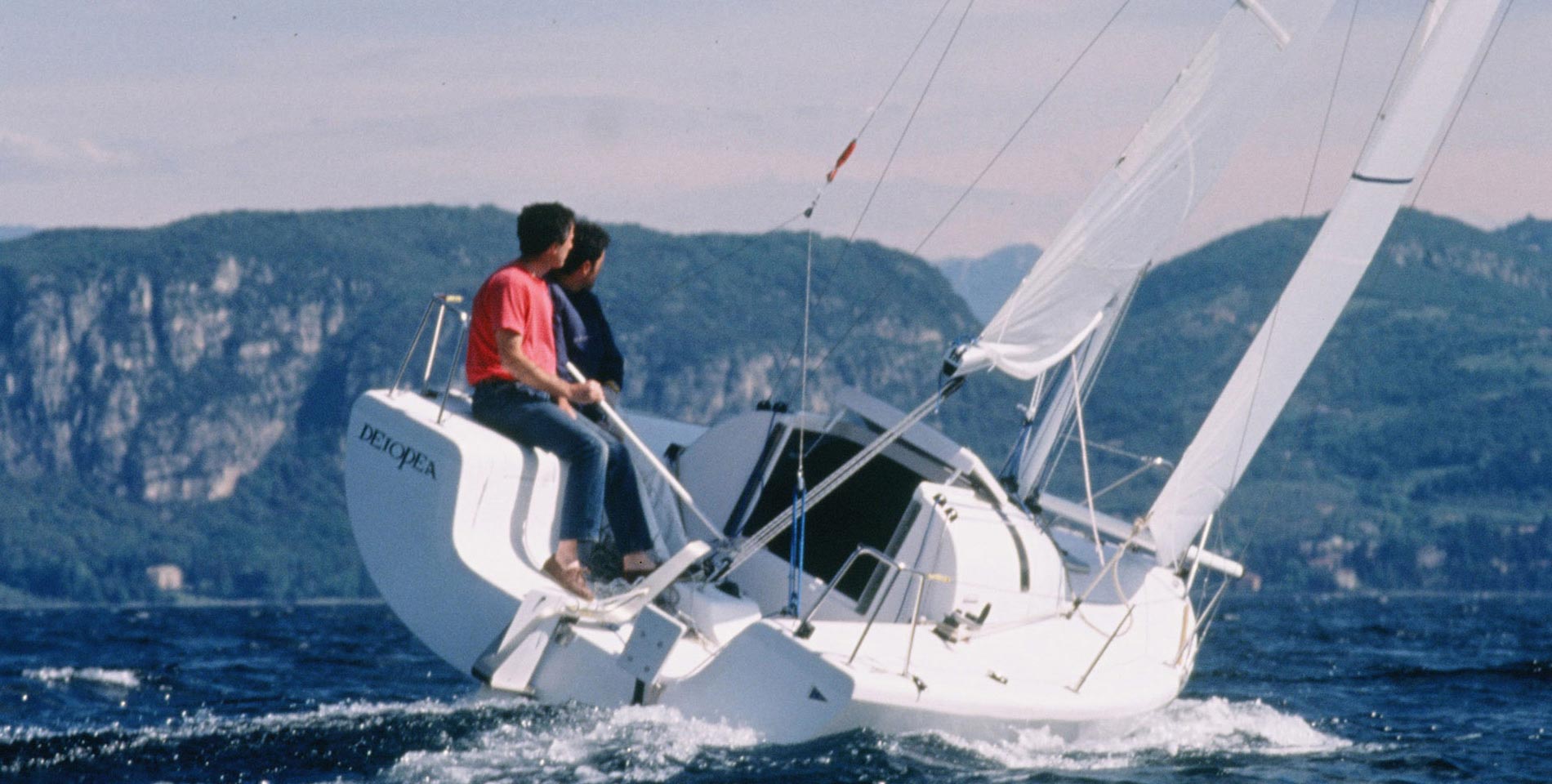
Classic Boat Cult | 6 meters overall: agile, compact and exceptional
Small, compact, exceptional. Three words to best describe 7 boats that, combined in size, we believe are absolute must-have gems-both for culture and for potential purchase. In fact, in this our review of the great Classic Boats of the past,
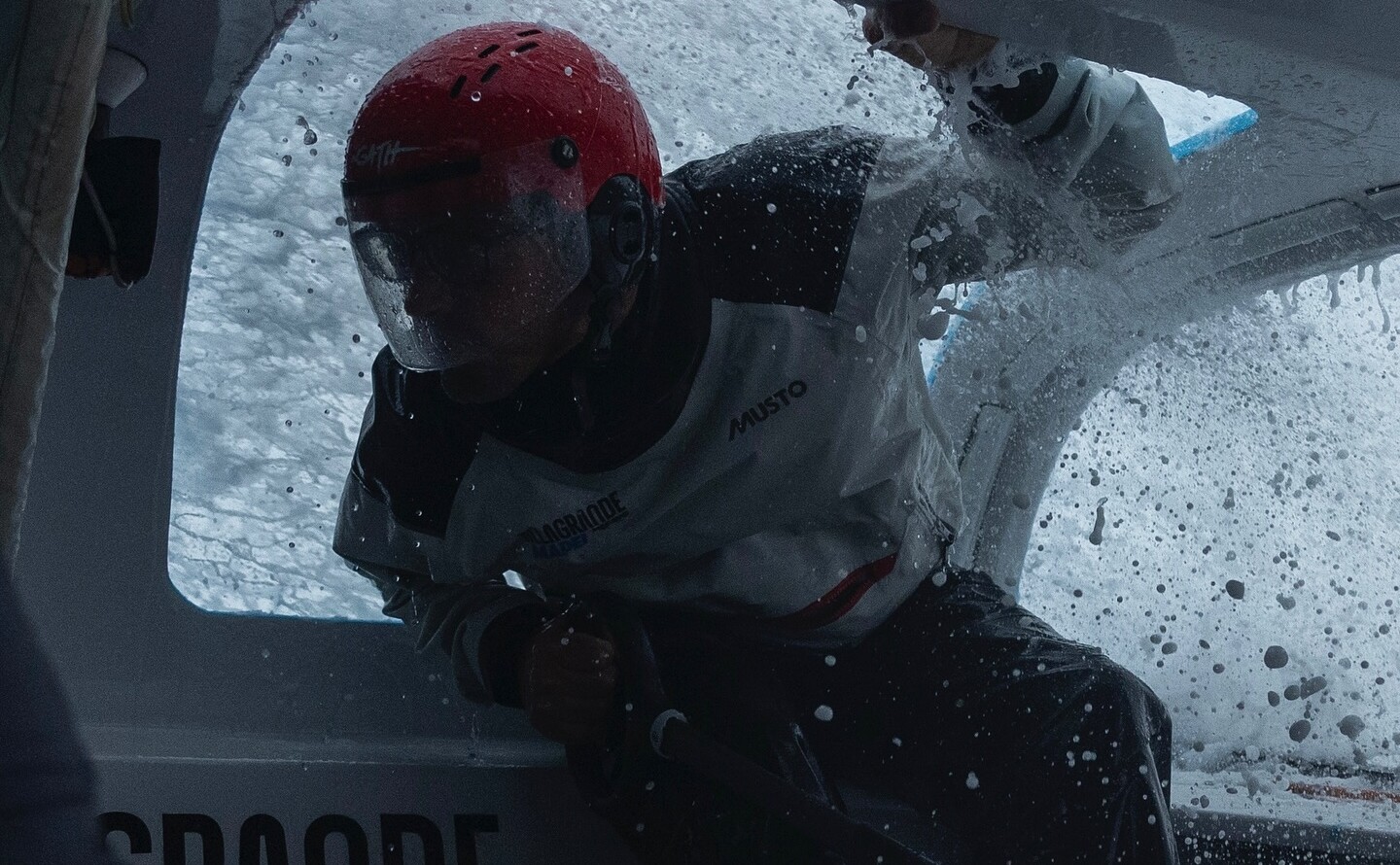
VIDEO – I’ve been aboard an ocean bolide: here’s how to sail on Ambrogio Beccaria’s Imoca 60
It’s not every day you get to board a state-of-the-art Imoca 60 foiler, and especially to do so in the company of one of Italy’s best ocean sailors. We were aboard Allagrande Mapei, the Imoca 60 with which Beccaria is
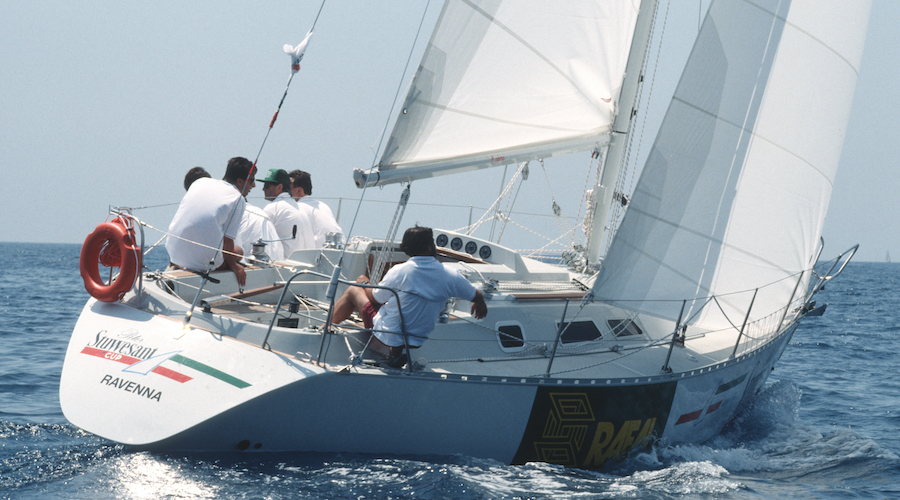
Classic Boat Club | Comet: 5 hulls celebrating Comar’s signature excellence
Forlì, 1961: Sipla, a small fiberglass Flying Junior manufacturer, is born. These are the dawn of large-scale production, and the new company soon becomes a pioneer in naval production in vtr. Growth is steady, small masterpieces such as Van de

