On the occasion of the 50th anniversary of the Journal of Sailing, the great excellences of the sailing world tell their stories and reveal their projects. In this column, discover all the companies and people who have made important contributions to the multifaceted world of sailing, which enables us all to go to sea in all forms and contexts.
In this episode, we take you on a tour of the history and news of the German firm Judel/Vrolijk & co, which has signed more than 800 boats since 1978.
Half a century of innovation, speed and passion
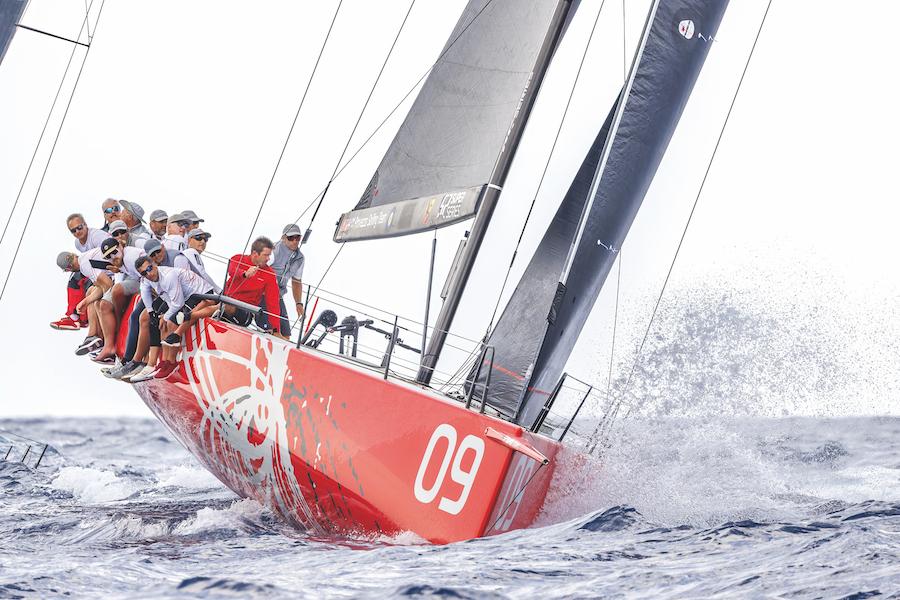
Since 1978, the German firm judel/vrolijk & co has signed over 800 boats, from the Admiral’s Cup to the TP52 Super Series, revolutionizing ship design with composite materials and 3D CAD technologies.
Since 1978, when the young naval architects Friedrich (Fietje) Judel and Rolf Vrolijk set up their atelier in Hamburg, the firm judel/vrolijk & co has been able to establish itself on the world stage with structural and hydrodynamic solutions that are always at the cutting edge. Applying the experience gained in IOR and IMS racing to their boats, the German duo, later joined by Torsten Conradi in 1986, has signed more than 800 racing and cruising yachts, ranging from one-off racers to production boats to fast cruisers and custom superyachts. From the Admiral’s Cup of the 1980s to the modern TP52 Super Series, from the pioneering adoption of composite materials to 3D CAD experimentation in the 1990s, the German firm has anticipated trends and set standards. Today at its Bremerhaven headquarters, it designs ultra-high-performance racing yachts, high-tech cruisers, production boats and commercial units, always maintaining a philosophy that combines performance, listening to the owner and a continuous search for technical excellence.
The roots: from early work to the Düsselboot
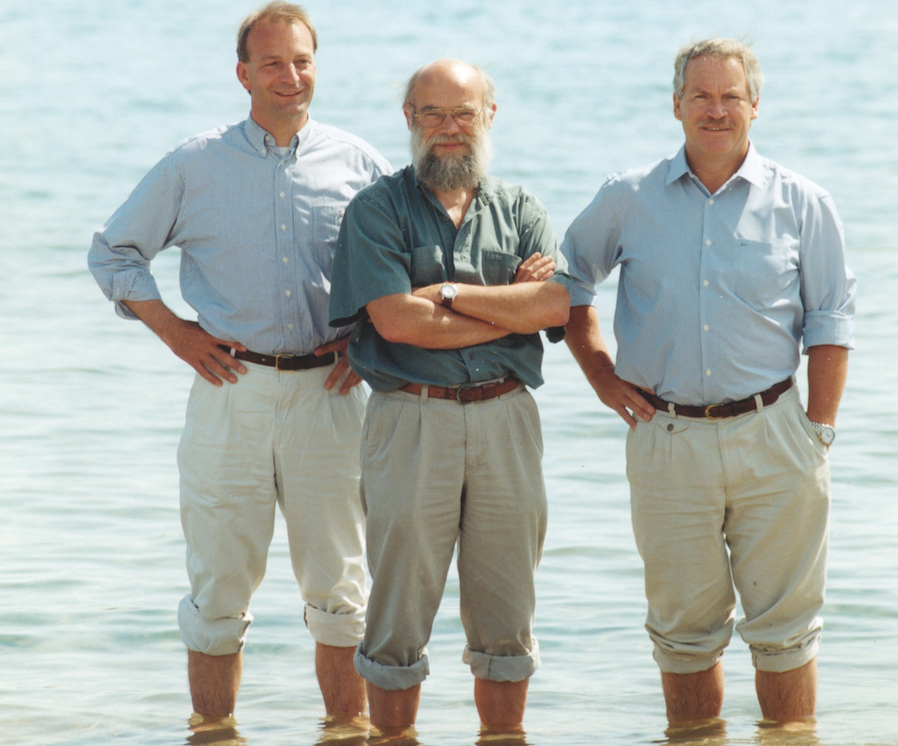
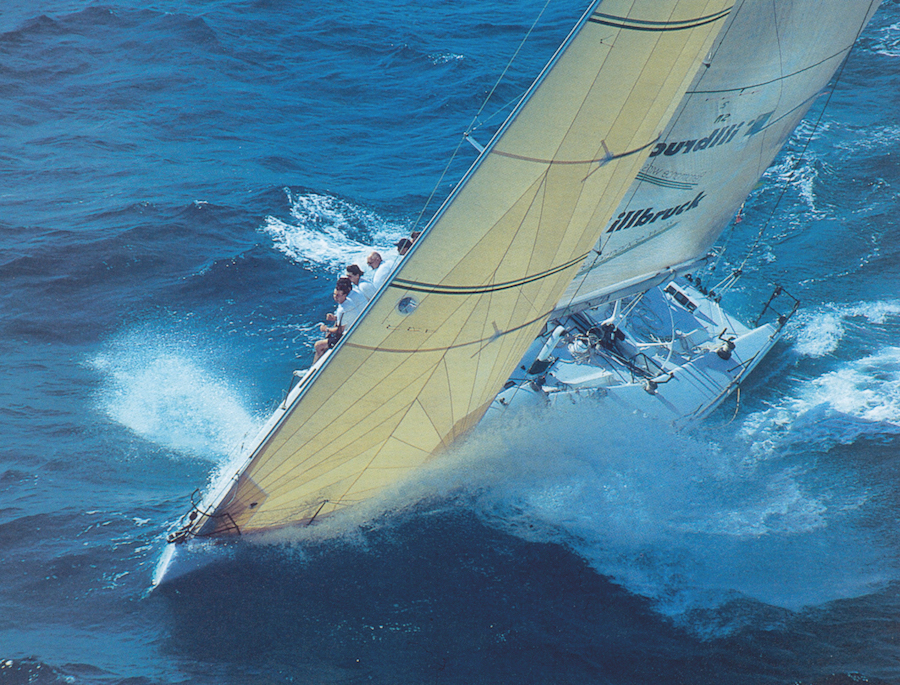
Judel and Vrolijk met in the IOR Quarter-Ton and Half-Ton circuits of the 1970s. With a good deal of experience behind them and several contacts, they founded judel/vrolijk design (later judel/vrolijk & co) in 1978, with the aim of combining their skills in designing fast, high-performance boats. Their first assignment came with the Quarter Ton Cup: Judel, already chief measurer of the German Sailing Federation, and Vrolijk, who had honed his skills in naval engineering and OK Dinghy racing, designed in 1978 the Quadriga, a Quarter-Ton that competed in the world class. Working side by side, their fluid dynamic analyses resulted in streamlined hulls with fine bows, anticipating solutions that would revolutionize the IOR in a few years. The turning point came in 1979, when the German Sailing Federation asked them for advice for theAdmiral’s Cup team and prospective owners entrusted them with the complete hull design. Thus was born Düsselboot, named after the boat show that sponsored the project. In 1983, renamed Outsider, she became part of the GermanAdmiral’s Cup team. Despite a dramatic mast breakage during the 1981 Channel Race, forcing the crew to make overnight repairs and add a spreader order for the next race, Düsselboot proves she can compete at the highest level.
The era of composites and the 1983 victory
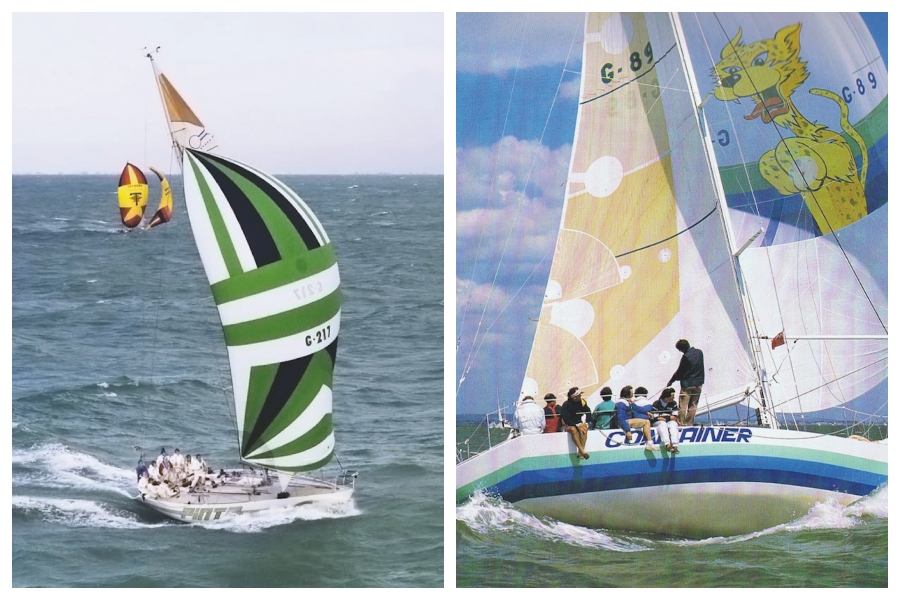
The qualitative leap occurs with Pint e Container, sister projects built between 1982 and 1983. These boats use pre-preg Kevlar sandwiches with balsa cores and steel molds, solutions “based on aviation technology rather than traditional shipbuilding.” Vrolijk points out that at the time they were designs that were “excessive, being fractional (an exception to the design of the time, ed.) and built more extreme than most boats.” Together with Sabina – which was not a judel/vrolijk & co design – Outsider and Pinta lead Germany to win the1983 Admiral’s Cup. The success is clear-cut: with a 167-point margin over second-place Italy, Germany returns to winning theAdmiral’s Cup, following its first victory in 1973.
Conradi’s arrival
In 1985, Torsten Conradi, a young engineer specializing in VPP (Velocity Prediction Program) and wind tunnel and ship tank testing, designed the rudder of Diva G, a 44-foot judel/vrolijk that took part in theAdmiral’s Cup, winning for Germany. Impressed by his expertise in fluid dynamics and project management, Judel and Vrolijk invited him to join the firm in 1986 as a third partner. Conradi recalls, “When I joined, it was immediate growth. We almost doubled the staff and had to do almost twice as much work.” The most important strategic decision was the move to Bremerhaven, where thanks to a local government grant the firm set up an office “with state-of-the-art technology and computers.” Conradi continues, “We had unusual computing power by the standards of the time. We are talking about almost 30 years ago. We were the first design studio to work in 3D: we had software and machines that no longer exist today, but back then they were top of the line.”
Hight-Tech Fast Cruisers
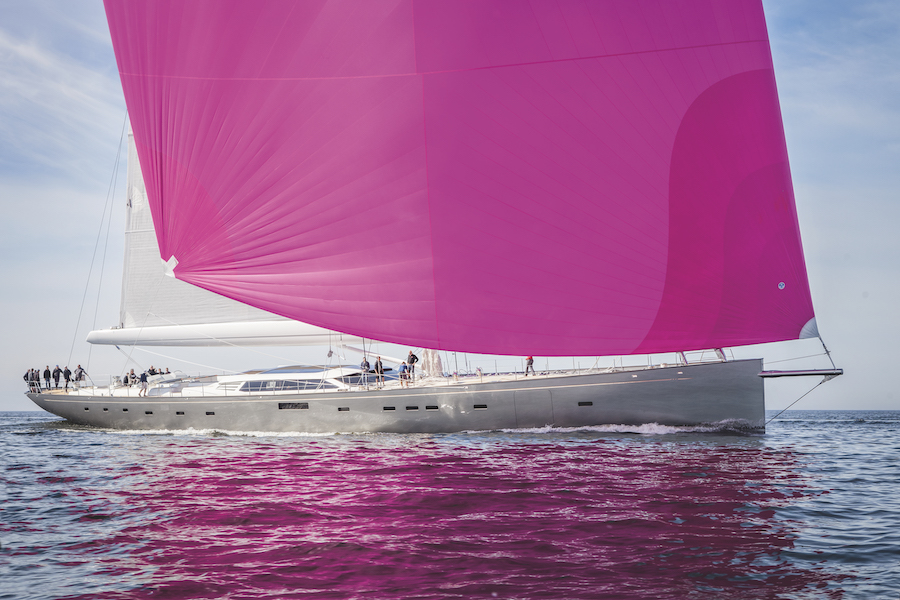
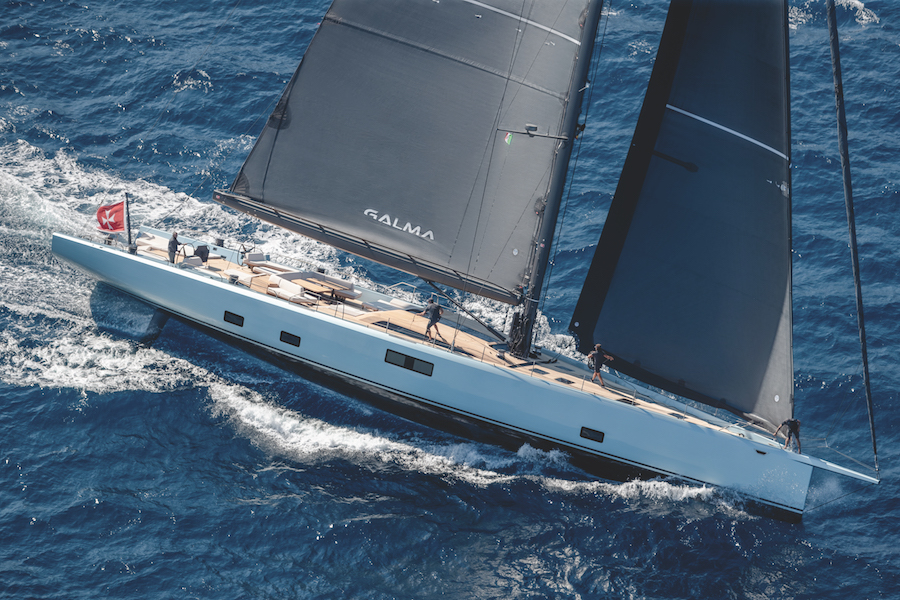
Since the early 1980s, the firm has flanked the racing branch with a division dedicated to fast cruising, but it was in the 1990s that the transfer of composite technologies from racing to luxury cruisers began. The pioneering project is Saudade (1994), a 112-foot (34-meter) yacht built by Royal Huisman. Conradi recalls, “It was still aluminum, but with a very high-tech approach. We insisted on fitting a carbon mast, which required long discussions at the time. Fortunately, the owner was a former racer and wanted the highest possible performance.” The collaboration with Baltic Yachts led to a series of innovative designs: first hulls and decks with balsa cores and carbon rigs, then mixed GRP-carbon constructions for decks and superstructures, and finally full-carbon hulls. Conradi notes, “Today’s boats are bigger but, by displacement, weigh less than half as much as they used to.” An emblematic example is Pink Gin VI (2017), a 53.9-meter designed by judel/vrolijk & co for Baltic, the world’s largest carbon composite sloop. With a 68-meter mast and 1,322 square meters of upwind sail, she represents the pinnacle of composite engineering applied to the world of luxury cruising sailboats. Also worth mentioning is the long relationship with Luca Bassani and Wally, with whom the firm has developed projects such as the latest wallywind110. Vrolijk tells: “I’ve known Bassani since the 1970s, when he owned a yacht designed by C&C (Cuthbertson & Cassian); I was part of the C&C Yachts Europe group during those years. He always pushed for innovations and new directions.” . The wallywind110 represents the evolution of high-performance cruising DNA, with emphasis on deck livability, which can completely transform from cruising to racing.
From the Admiral’s Cup to the TP52 Super Series.
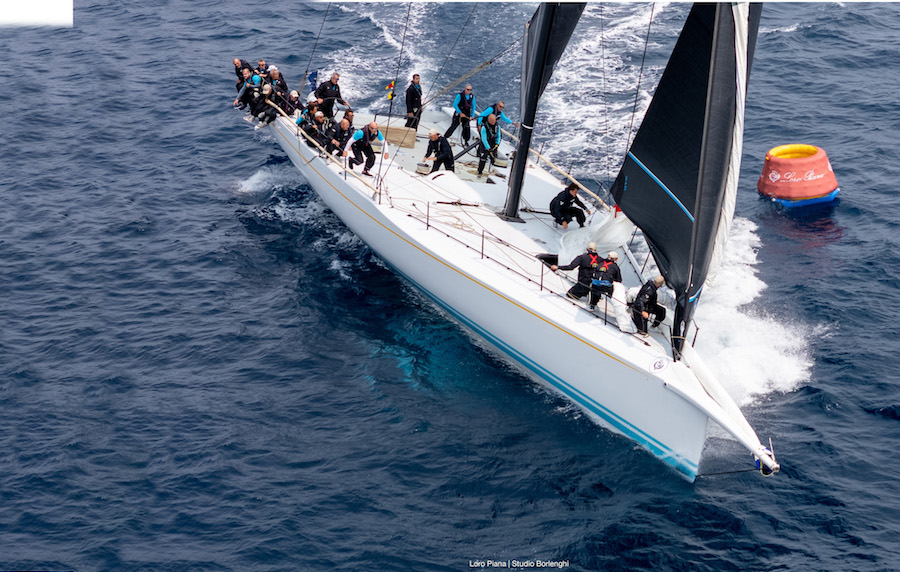
With the new millennium, the firm has set its sights on TP52s, first in the MedCup then in the 52 Super Series. Tobias Kohl, head of the racing division, explains, “Fortunately, rating systems have been widely developed and understood and today reward the fastest designs. We are winners if we design boats that perform better than their rating than their competitors.” The transition from long offshore races to Mediterranean fleet races has required different approaches, but the philosophy has remained the same: take advantage of every freedom in the regulations to gain maximum competitive advantage. Recent projects such as the new 79-foot Capricorn demonstrate the continuity of this excellence, with the children of historic owners returning to the studio for the second generation of boats.
The owner at the center of the project
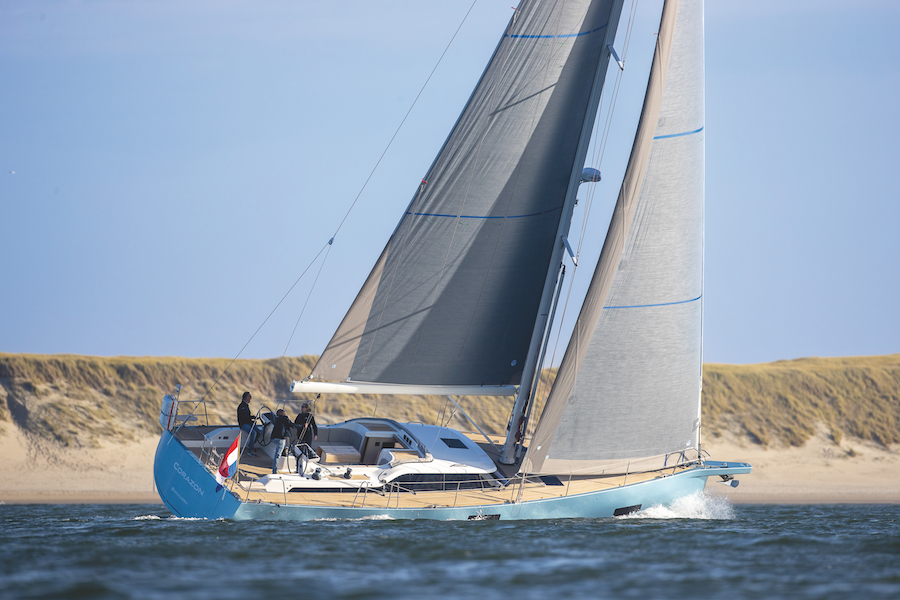
With fifty years of experience, the firm has established a “dualistic” philosophy. In regattas, every design stems from rigorous analysis of the rules (IOR, IMS, IRC, ORC, Box Rule) and the search for any “gray area” to overcome rating predictions. “Our job is always the same,” Vrolijk explains, “to design boats that are faster than any rules predict.” In cruising, confrontation with the owner is central. “There is no such thing as the absolute perfect boat,” Conradi adds, “but the one that the owner will love when he gets on board. Our job is to listen, understand what he really wants and guide him through the process to get exactly what he wants.” This iterative approach combines engineering, aesthetics and comfort into tailored solutions.
The present and the future
Today the firm is led by Conradi, Johan Siefer and Tobias Kohl, with 14 naval architects and 2 interns. Siefer describes the structure, “We are a cohesive team. The average age is 40, with about 12 years of experience in the company. With 14 people working on the yachts, we can ensure significant development and design capacity.” Activities range from the design of hulls for the professional circuits (TP52, Maxi, IRC) to one-off and semi-custom cruisers, from the production of production sailboats (Hanse, Contest, Najad) to sailing propulsion systems for commercial cargo ships. “We even designed a fishing boat,” Conradi adds. Looking ahead to the coming decades, the firm envisions increasingly automated yachts. “Onboard automation will allow smaller and smaller crews on larger and larger boats,” Kohl explains, “and size will continue to grow.” At the same time, the demand for boats that are easy to handle is increasing. On the materials front, the study points to increasingly strong fibers and lighter constructions. Foiling, now popular in racing, is unlikely to enter cruising. “Cruising has a lot to do with comfort and enjoying the day at sea,” adds Vrolijk. “A sailboat will always remain a sailboat, but it will be simpler, lighter, and perform better,” Conradi concludes.
https://www.judel-vrolijk.com/
50 years of the GdV: an opportunity not to be missed. Also for your brand
To celebrate its 50th anniversary, Il Giornale della Vela is organizing the largest communication campaign in its history, which will reach a total audience of 2,000,000 “sea lovers” interested in the world of sailing.
How? Deploying all its communication channels: magazine (paper+digital), websites, E-mail marketing, social (facebook/instagram). The certainty is that 2 million interested people will be reached to whom you can tell your company’s story.
Why you’d better embark with us
The Newspaper of Sailing proposes that all companies interested in the boating target audience tell their story, just as the GdV tells its own. Don’t worry, our journalists are on hand to help you produce attractive and effective text and images to reach two million “sea lovers.”
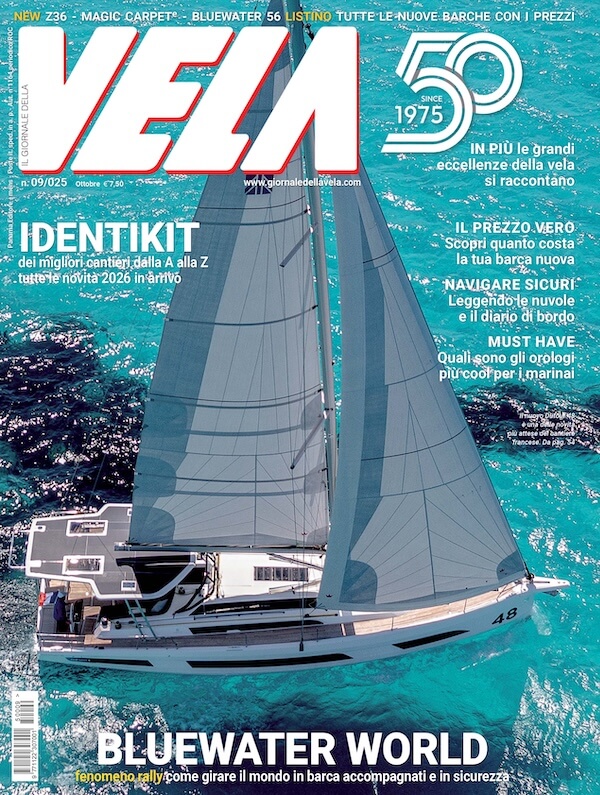
Check out the latest issue

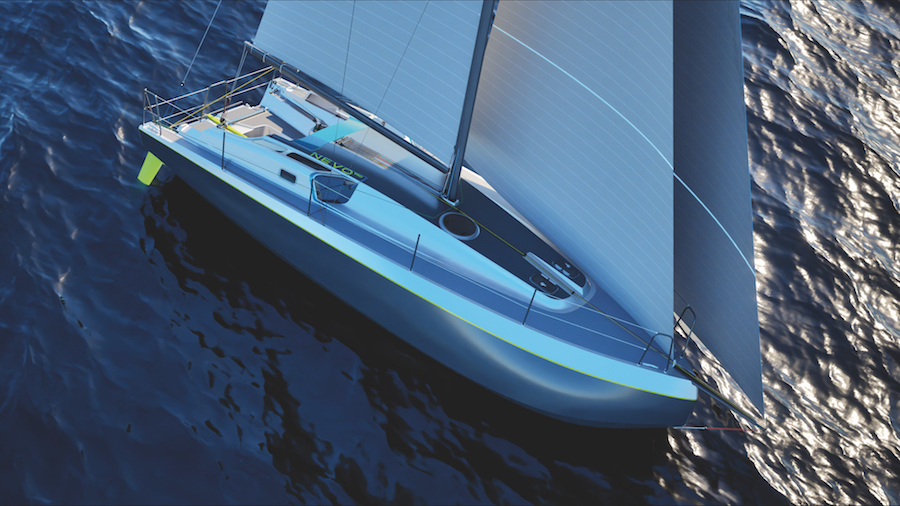
Michele Molino, nautical engineer with the sea in his vein
On the occasion of the 50th anniversary of the Journal of Sailing, the great excellences of the sailing world tell their stories and reveal their projects. In this column, discover all the companies and people who have made important contributions
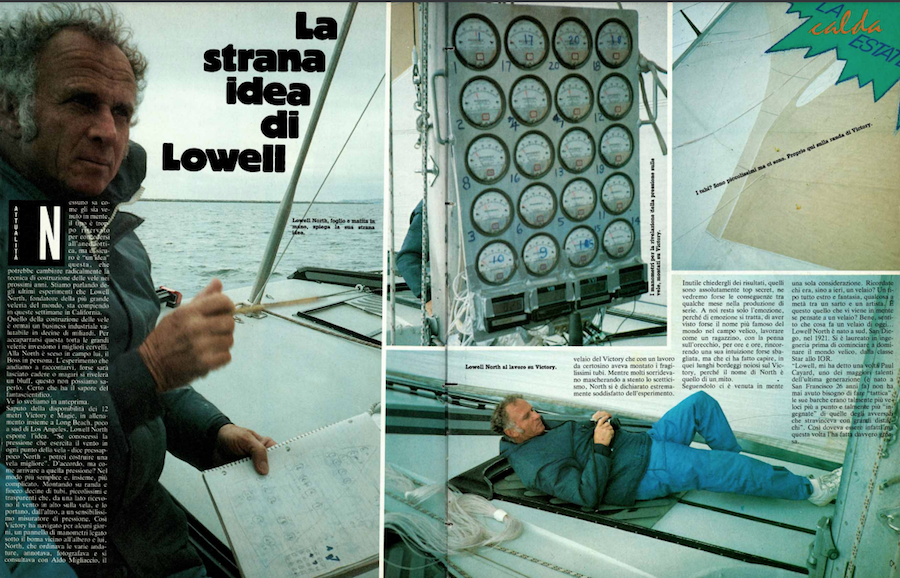
1985. The sails of the future are being born. The GdV is in, with Lowell North
Welcome to the special section “GdV 5th Years.” We are introducing you, day by day, An article from the archives of the Journal of Sailing, starting in 1975. A word of advice, get in the habit of starting your day
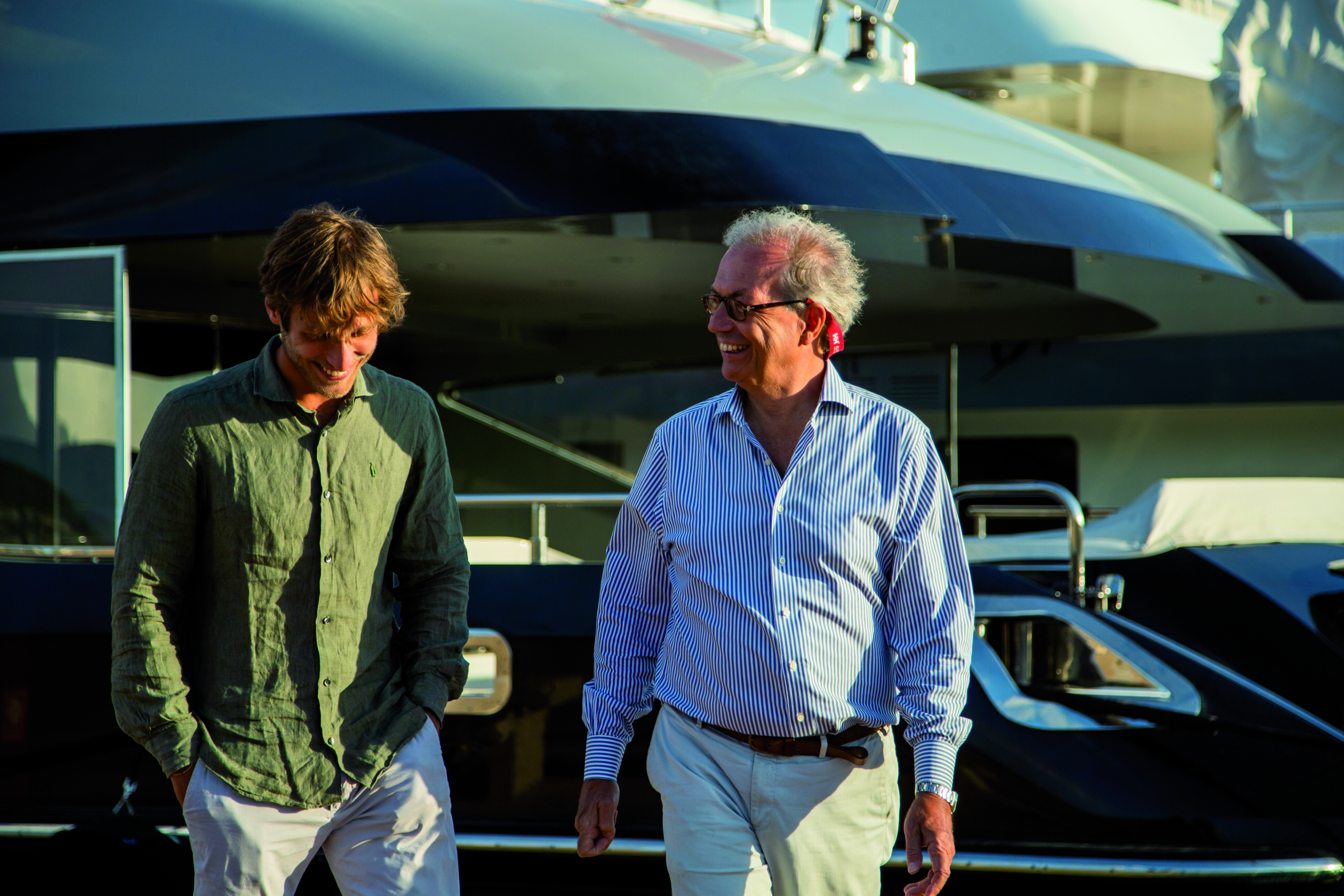
Marinedi, the integrated hospitality system
On the occasion of the 50th anniversary of the Journal of Sailing, the great excellences of the sailing world tell their stories and reveal their projects. In this column, discover all the companies and people who have made important contributions
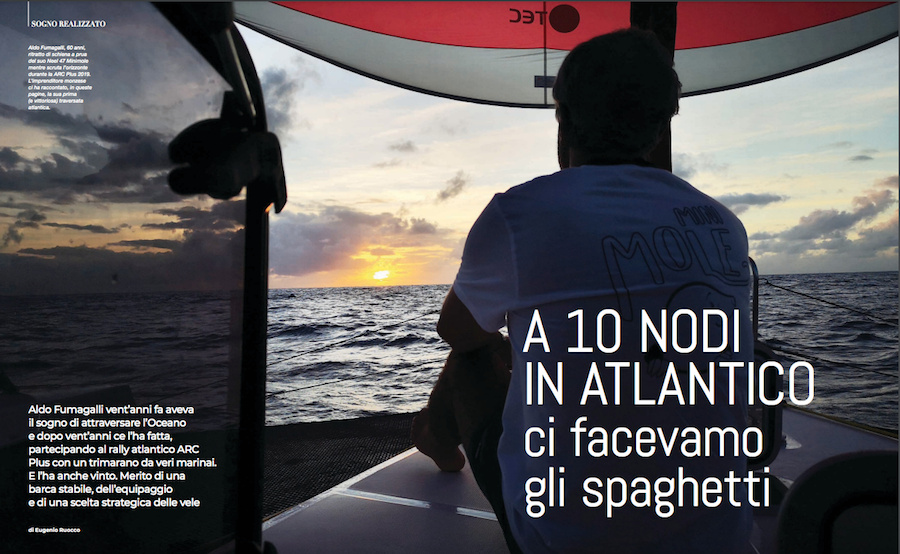
2020. At 10 knots in the Atlantic we were making spaghetti.
Welcome to the special section “GdV 5th Years.” We are introducing you, day by day, An article from the archives of the Journal of Sailing, starting in 1975. A word of advice, get in the habit of starting your day

