
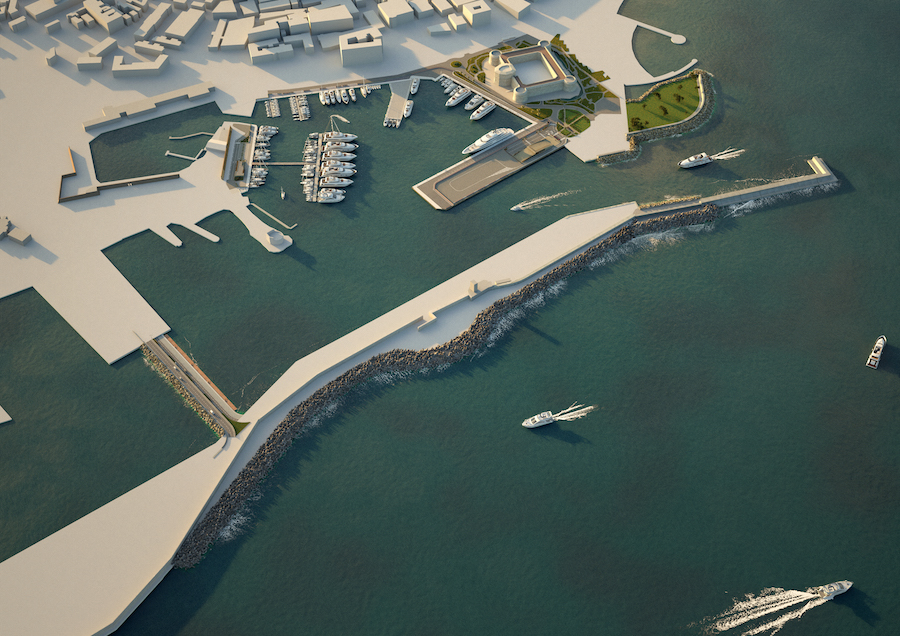
The lack of ports, marinas, and infrastructure for boaters and superyachts have been a critical issue that penalizes nautical tourism in Italy for years.
The spaces are there, we have coastal and port areas to redevelop, and the demand for berths, landings, buoy fields, and services far exceeds the supply. There is also no shortage of money. Italian and foreign companies and cordate investors are demanding state-owned areas as concessions to carry out, at their own expense, the multimillion-dollar redevelopment works that municipalities are unable to support.
But then, why can’t Italy create new port infrastructure for nautical tourism?
Blame it on bureaucracy. The complexity of the legislative and legal system makes everything impossible, delays appeals and loopholes make investors flee.
Here, by way of example, is the Kafkaesque story of the Port of Civitavecchia. Seven years of bureaucracy ending with “all to do over.”
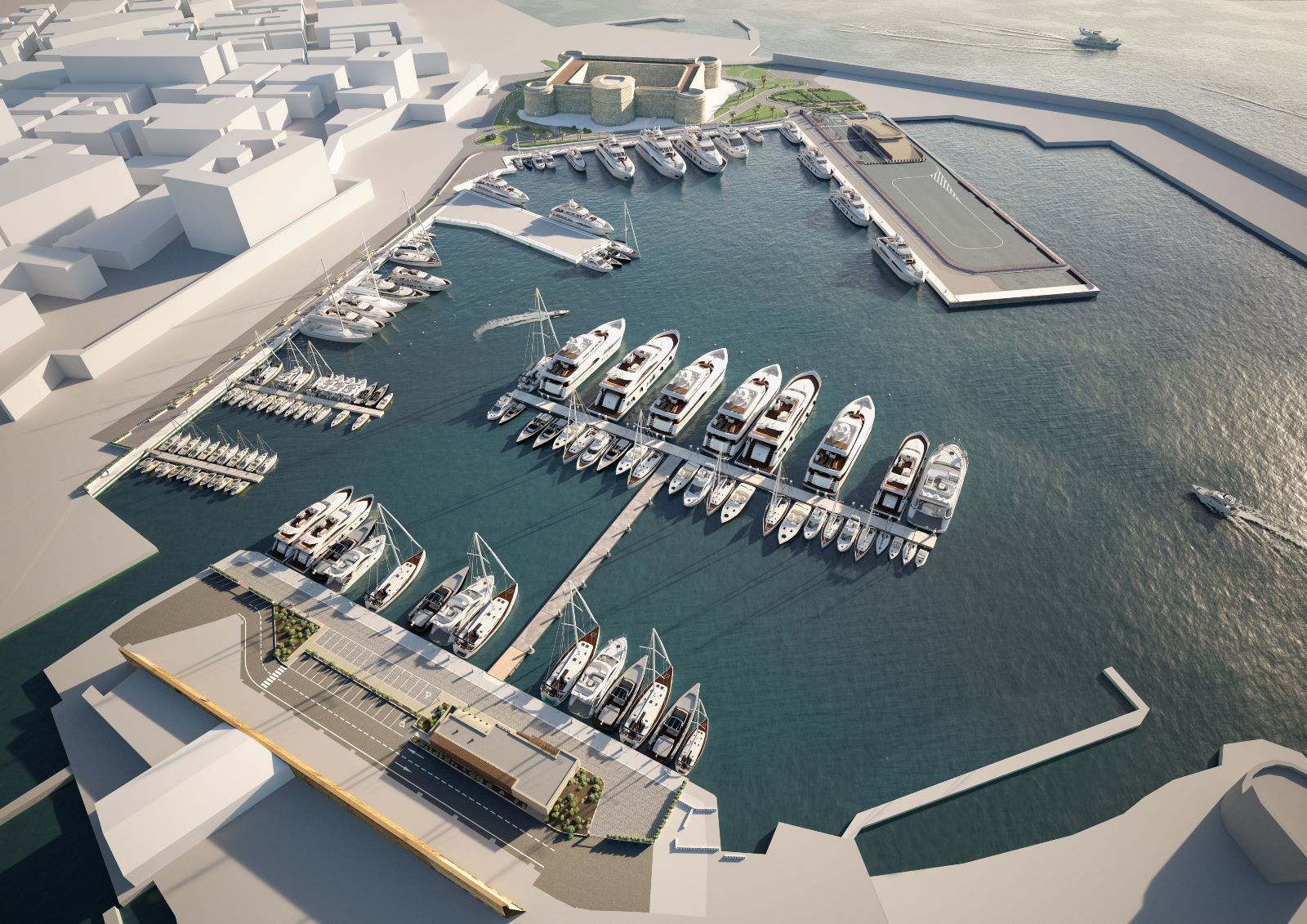
A project already approved and ready to start is postponed indefinitely, and on the verge of starting work, a ruling resolves that it is all to be redone. Unfortunately, it is a story that will continue to repeat itself until the legislature gets its act together, and the administrative justice system produces answers in a timely manner.
Damn bureaucracy. The case of the Port of Civitavecchia
2016: A company wants to invest by taking the area of Civitavecchia’s Historic Port under concession to build a marina.
Any project for the construction of facilities dedicated to recreational boating must be approved through the “service conference,” (Presidential Decree 509/1997) aimed at the release of property in the maritime domain for the construction of facilities dedicated to recreational boating. A procedure, in competition, specialized and aimed precisely at replacing both the ordinary concessionary and construction procedures, which is consequently activated by the Port Authority.
Port of Civitavecchia, problems begin
In 2016 five companies submit their projects, but the there is a problem upstream.
The perimeter of the focus areas as well as the “big picture” is not defined.
Leaving everything to the creativity of the proposers, many of the designs received are either totally inadequate or too imaginative. Even, due to a lack of clear guidelines, they were going to occupy spaces already given to third parties.
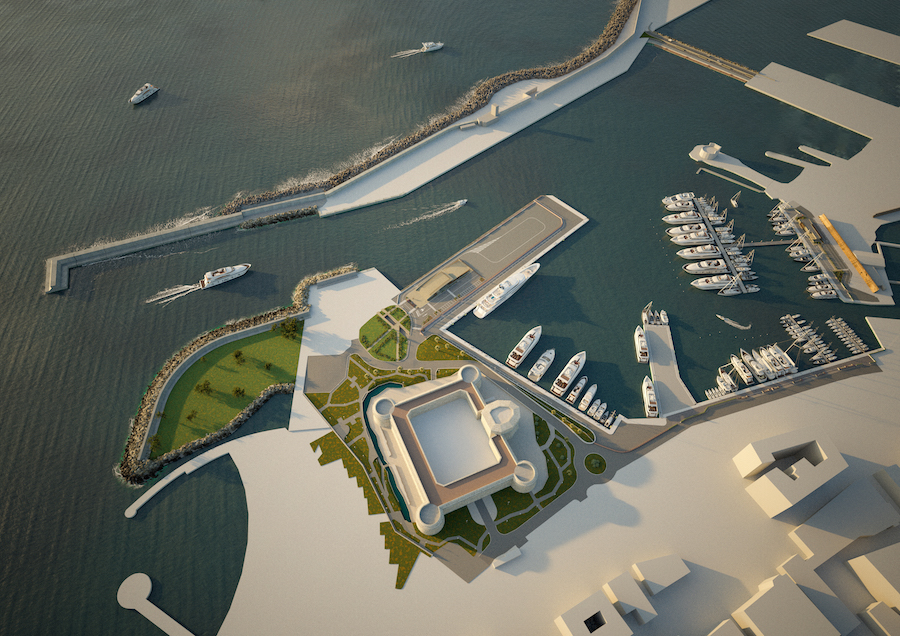
The Port Authority realized the mess and, in May 2017, sent back all proposals and gave more time to all competing companies to redefine the projects, this time indicating more precise specifications and a grid with evaluation criteria. Already a year is lost like this.
Of the five investor companies, only three remain to submit proposals appropriate to the requirements received.
At this point one of the three companies files a complaint with the Finance Guard for anomalies in the conduct of the procedure, against one of the competing companies.
This generates a stalemate because although the criminal proceedings are not tied to the administrative proceedings, in fact the municipality, which was the driving force behind the services conference, is putting itself on hold pending the outcome of the judges’ decision.
Another two years pass since the investigation began, then the Civitavecchia Court judge dismisses the case because he did not see enough elements to continue the charge of alleged bid-rigging, which turns out to be unfounded. More years lost for nothing and the image of a group of investors put in a bad light unnecessarily.
In vain, meanwhile, are the requests by the companies to proceed in parallel anyway during this procedural phase with the services conference, so as not to waste any more time.
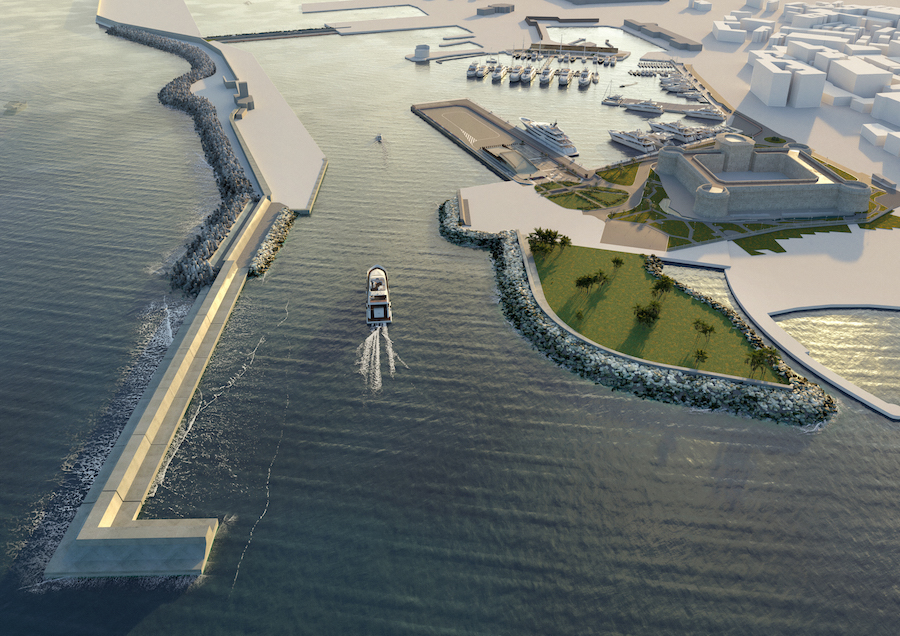
Out of the scene the Public Prosecutor’s Office arrives among various vicissitudes at the turning point in February 2022, the Conference of Services, decides (finally) that the only proposal that meets the public interest and the criteria defined by the evaluation grid is precisely that of the company that had been the victim of the criminal complaint that turned out to be unfounded.
Thus we enter the final design phase. Are they starting work? Absolutely not, at this point the Superintendence intervenes, because the context of the port of Civitavecchia is historic and of great architectural value, so another year is lost between meetings of engineers and architects, evaluations , reshuffling of changes to the project, and endless waiting for answers and approval from the Superintendence, which comes only in the summer of 2023.
In the meantime, they also manage to overcome some appeals to the Tar, and even obtain a favorable opinion from the National Anti-Corruption Authority.
After 7 years, nothing done!
July 19, 2023, unanimity! It comes down to the final unanimous approval of the Services Conference. Seven years have passed. Seven years of bureaucracy, to choose the project of a company that, with its own money it is understood, wants, from 2016, to invest in Italy to build a new marina, in an area that desperately needs it.
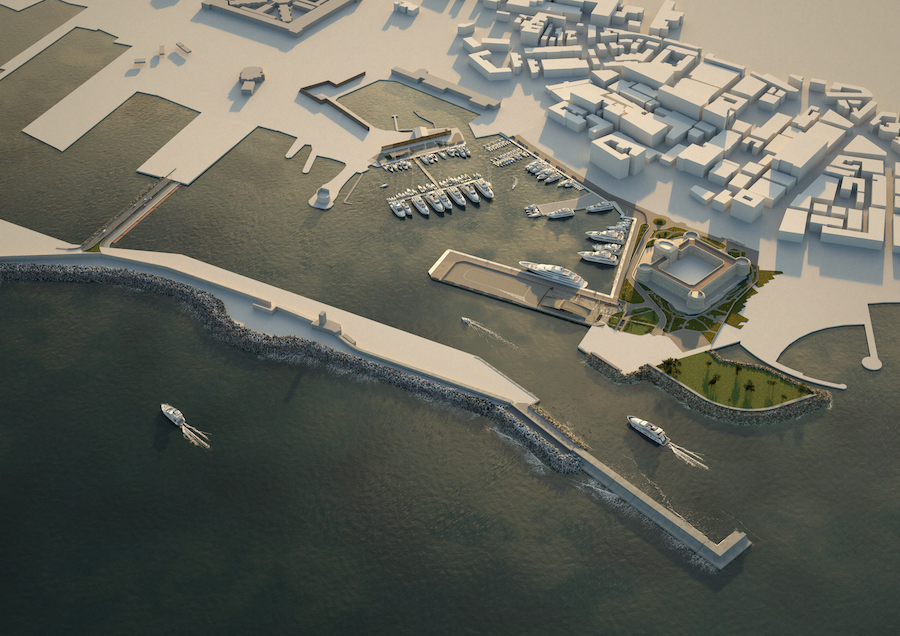
Between changes, pandemic, raw material cost and labor market revolution, the projected costs of the original project have risen from 23 million to 32 million. Society, however, is still willing to take it on.
August 2023, the assignee company is waiting for the Port Authority to convene a meeting to finalize the maritime state concession. Everyone is confident that work will finally begin.
August 11, 2023: ALL TO BE RESTORED. The judges of the Council of State in their August 11 ruling nullify everything and essentially set the timetable back to 2016, with a ruling finding a “clear conflict of interest and lack of impartiality that affected the entire course of the procedure,” despite the pronouncements of the TAR and ANAC!
So what? It starts from scratch…
Here is explained with this history of bureaucracy why it is impossible to create new ports and invest in recreational boating in Italy. If you were an investor or a simple citizen willing to improve the situation, wouldn’t you run away to other shores…in full sail?
Luigi Gallerani
Check out the latest issue

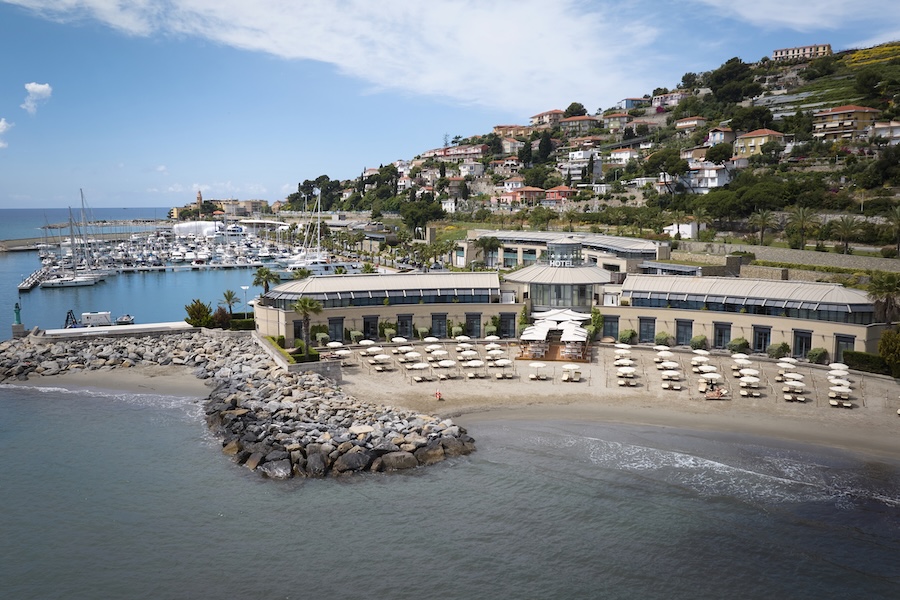
How to get 7 free mooring nights in the Mediterranean with your annual berth
There is a network of marinas that is continuing to expand its presence in Italy as well with the opening of new marinas located in some of Italy’s best coastal destinations. These are the D-Marin marinas, whose 5-star facilities, exceptional
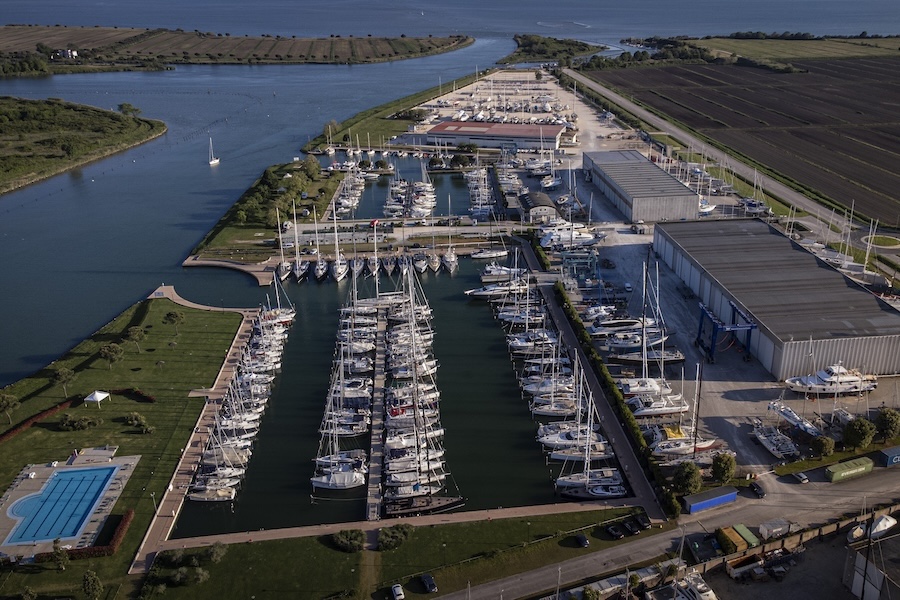
All services at Marina Sant’Andrea: from mooring (ashore or at sea) to full refit
In the Marano Lagoon, between Grado and Lignano Sabbiadoro, the Marina Sant’Andrea is once again confirmed in 2025 as one of Italy’s landmarks for boating. With an area of 200,000 m², the facility offers 700 berths in water and on
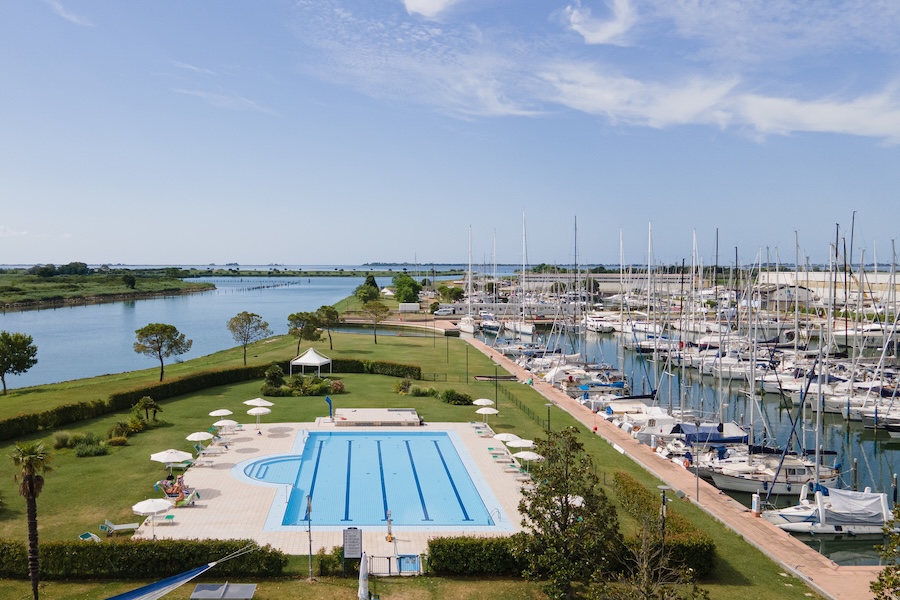
New investments and agreements with shipyards: this is how Marina Sant’Andrea is growing
The year 2025 opens with record numbers for Shipyard & Marina Sant’Andrea, the North Adriatic’s benchmark nautical hub located in the Marano lagoon, between Grado and Lignano Sabbiadoro. From January to date, the shipyard has already carried out more than
Italian ghost ports and whose fault it is, part 2. Our investigation continues
Why do some of our country’s marinas struggle to get off the ground, remain at the pole and turn out years later as woefully unrealized projects? Our investigation of Italy’s “ghost ports” continues with more cases of failed management. Italian

