If today we can still enjoy so many great boats that have survived the last century, Classic Boats excellent boats still capable of excitement, credit is undoubtedly due to the hands and minds behind their creation. We have already seen some of the great designers behind the signatures, but, if these boats have since seen the light of day, it is certainly also thanks to the shipyards behind them, enlightened realities capable of maintaining quality standards that are still commendable today. To celebrate them as well, then, here is a new series of articles intended to offer a glimpse into their history and some of the greatest projects they have been able to accomplish. After
Hallberg Rassy
, here is a French boating icon and a milestone in sailing history:
Dufour.
A revolution signed by Dufour
If the late 1960s was a pivotal period on the most diverse fronts of social life, the same is true for the history of sailing, which, both at this stage and in the following decade, experienced a perhaps unrepeatable period. Inescapable, in this panorama of economic growth and parallel “rebirth” of yachting, was the introduction of fiberglass as a construction material, the keystone of the nascent serial production. Here, pioneer among them all, emerges the fundamental figure of Michel Dufour, enlightened designer and founder of the shipyard of the same name, launched in ’64 as “Stratifié Industriel” and launched to the highest heights in ’66, with the birth of the iconic Arpège, the first true fiberglass bestseller, built in over 1,600 examples.
Do you have a Classic Boat to report? Are you a Classic Boat owner? Place it in our archive at
this link
! Just enter data and description of the boat. The editors will publish it in a very short time.
Dufour, the origins
The origins of Dufour Shipyards are closely linked to those of its creator, Michel Dufour. Dufour arrived in La Rochelle in ’57 with an industrial studies degree in hand and military conscription experience in Algeria, where the war of independence against French rule was under way. In La Rochelle, Dufour discovered sailing, competing in a Fastnet and an Admiral’s and, at the same time, working at the Brissonneau et Lotz, a railway equipment manufacturer. Here he discovers fiberglass, a material he identifies as ideal for designing the boat he has been thinking about for some time now.
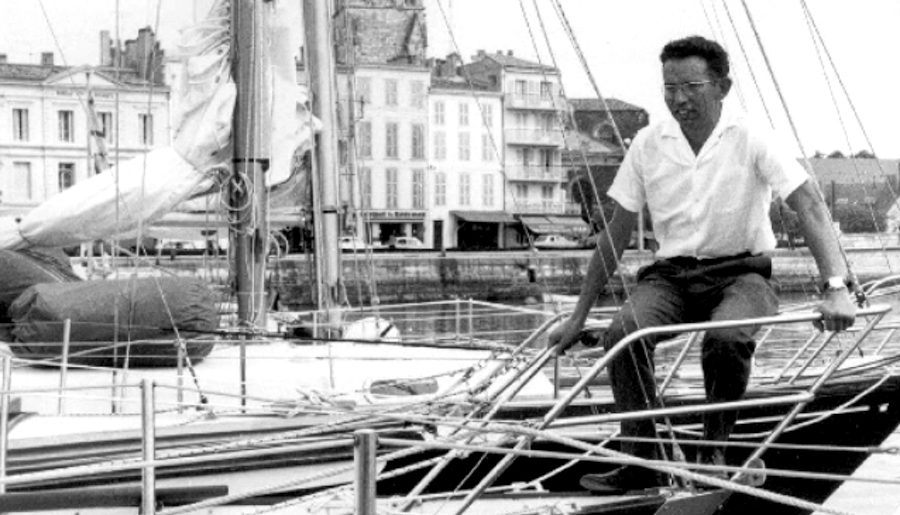
Sailing is for him an object of study, an art, rather than an experience to seek his own identity, to confront the elements. Thus was born a revolutionary 6.54 meters, the
Sylphe
, built in collaboration with the James Léger, the team leader of the polyester/glass fiber sector. It is a new, different design with unseen lines and a beam that is “too” wide to be fast, but the press likes the boat right away and, icing on the cake, against all expectations it wins the 1965 Rochelle Week. Thus began Dufour’s shipbuilding adventure of the then “Stratifié Industriel” shipyard.
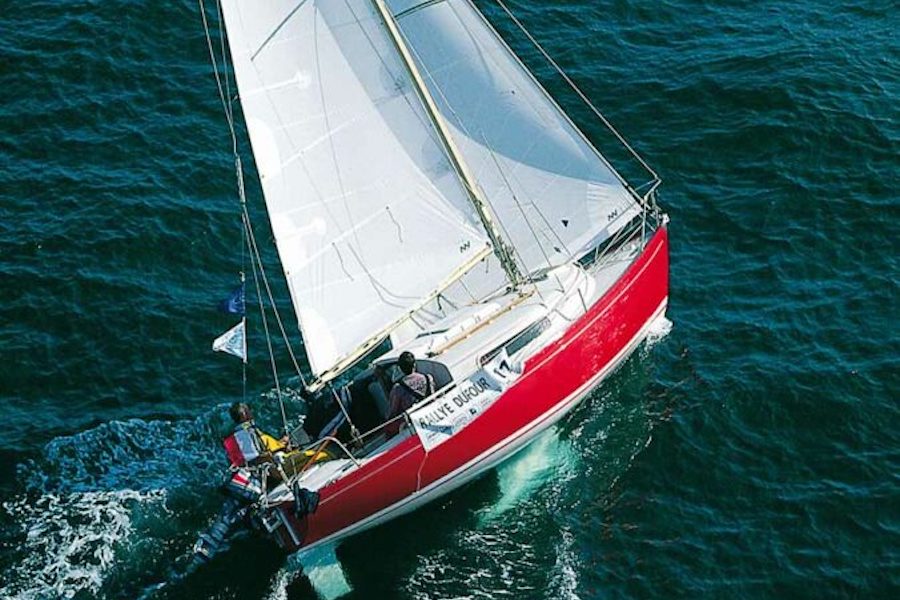
Owners, however, are looking for a larger, more livable boat. Dufour accepts the challenge and starts, counterintuitively, with the design of the interior, built in 1:1 scale. Once these are defined, the “shell,” a hull designed on lessons learned from the
Sylphe
, improving its lines and marine qualities. It is the key to success, a fundamental turning point for both Dufour and the sailing world: theArpège (9.14 m) is born.
It is 1966. By the end of ’67 they had already made 77, liked the boat a lot, especially in England, and won races just about everywhere. Fiberglass has finally cornered the market, and sales are overflowing; yards cannot keep up with orders.
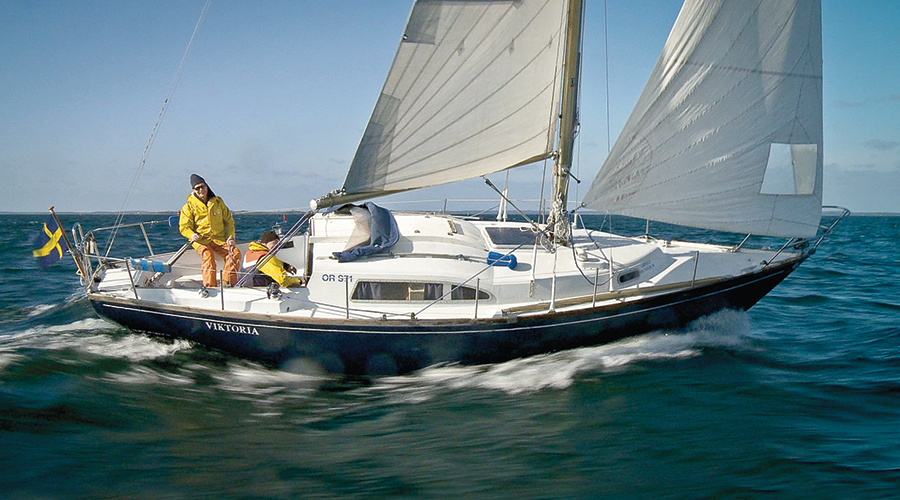
In 1969 Stratifié Industriel became Dufour S.p.A, investing like none before in extensive advertising operations, including an Arpège to compete at Transpacifica. The Harpège would go out of production in 1976, 10 years after its appearance and with the striking figure of 1,600 hulls produced.
Dufour, the 1970s
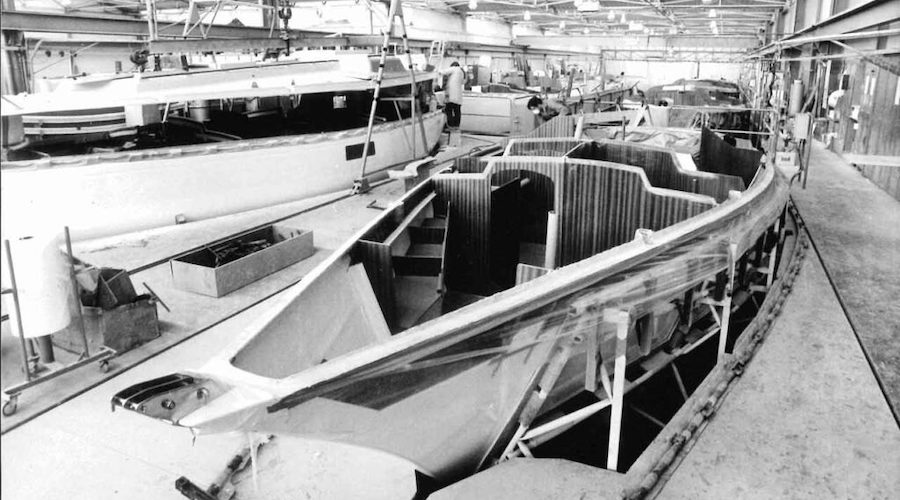
The 1970s were the years of a great opening of sailing to the general public. Everyone wants to go boating, and Dufour is one of the leading shipyards. The production complex now occupies a modern 15,000-m² facility in Périgny, just outside La Rochelle. These were the years of great projects, the icons that made the shipyard famous. In 1970, the small
Safari
(8.23) depopulated, followed immediately by the big hit of 1971, the
Dufour 35
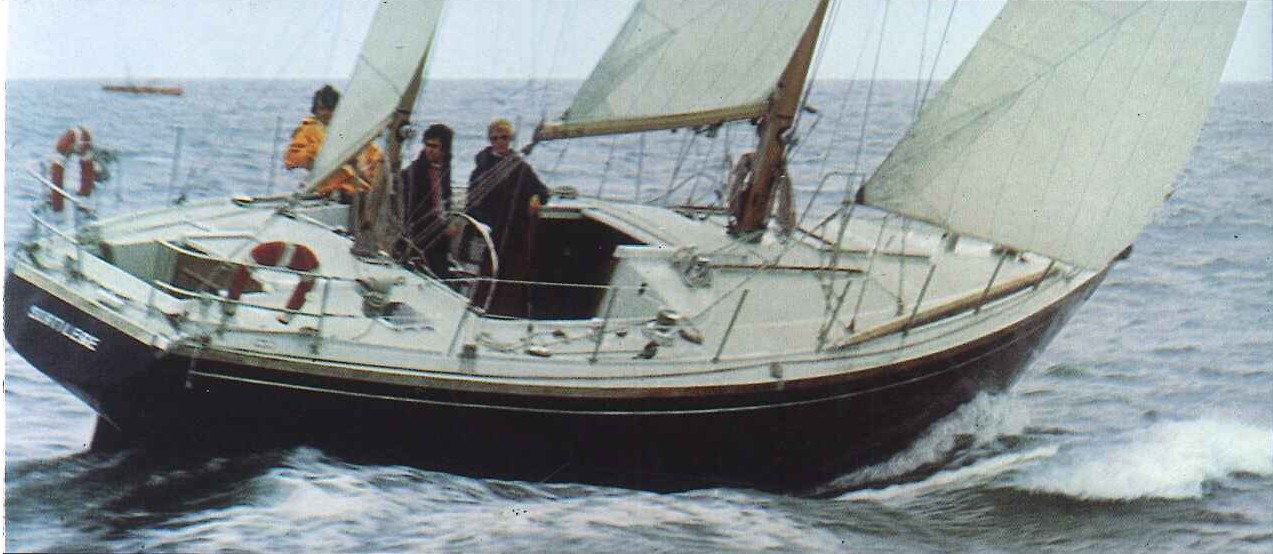
, one of the most marine boats of the shipyard and of the beginning of the decade. This is a hull with astonishing volumes, 10.75 meters by as much as 3.48 at the maximum beam, unprecedented shapes that make it a comfortable, spacious and great boliniere boat, designed for the seas of Atlantic France, hard, difficult seas. This is the third major success in a row, with about 450/500 built.
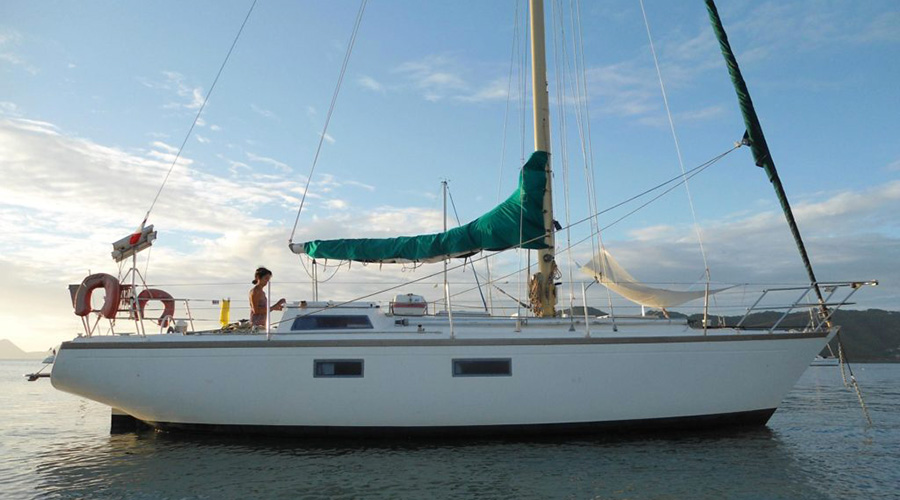
The iconic 35-footer is then followed by the
Sortilege
, the
Dufour 27
, the
Dufour
29
and the
Dufour 34
. Growth is exponential but crisis is around the corner.
In 1973, the energy crisis put the market in crisis, oil prices skyrocketed, and the largest shipyard in Europe had work and commissions at half capacity. The U.S. market suffers less, but it cannot absorb the boats that the old continent can no longer afford. In 1976 Baron Marcel Bich brings a major loan to the yard, but soon absorbs the majority. Dufour left his creature in 1979, retiring to the world of agriculture.
He would cultivate apples for several years until he joined Maxi Yachts International (now CIM) as a consultant to conceive and set up a new shipyard intended to build luxury sailboats. Dufour Sa. will be taken over by Olivier Poncin in 1988, then become the property of Cantiere del Pardo in 2001, which will sell it to Bavaria in 2010. As of 2018, ownership of the shipyard passed to Fountaine Pajot.
The 1980s and 1990s
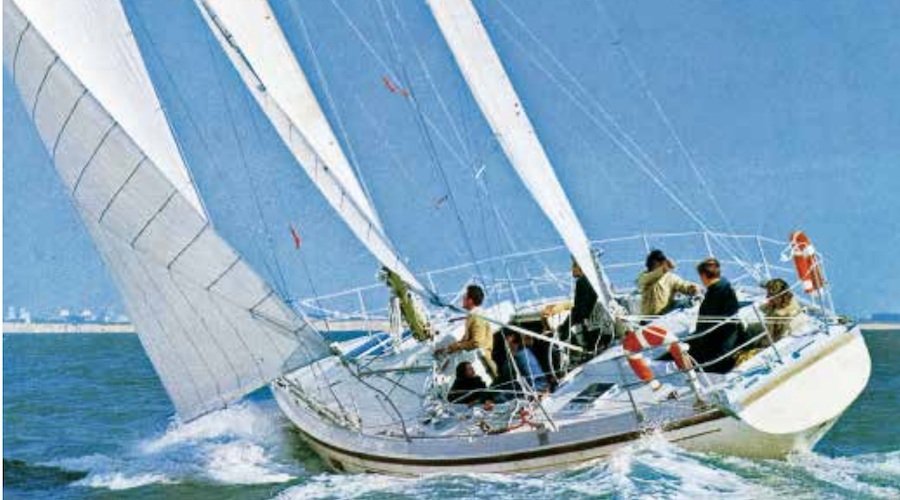
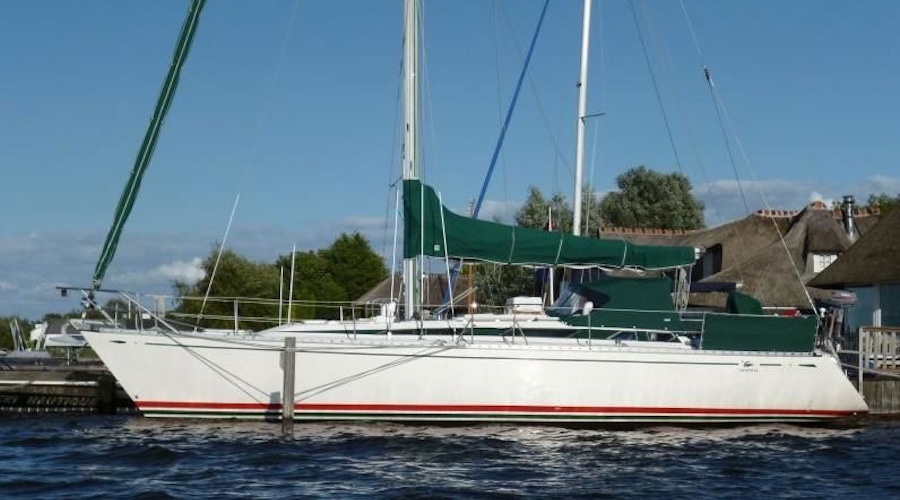
With the 1980s, the previous crisis takes the site in a different direction. It is no longer the numbers that count. Production is reduced in quantity, looking at luxury. These are the years of the
T7
, of the
3800
, of the
4800
and the
D28
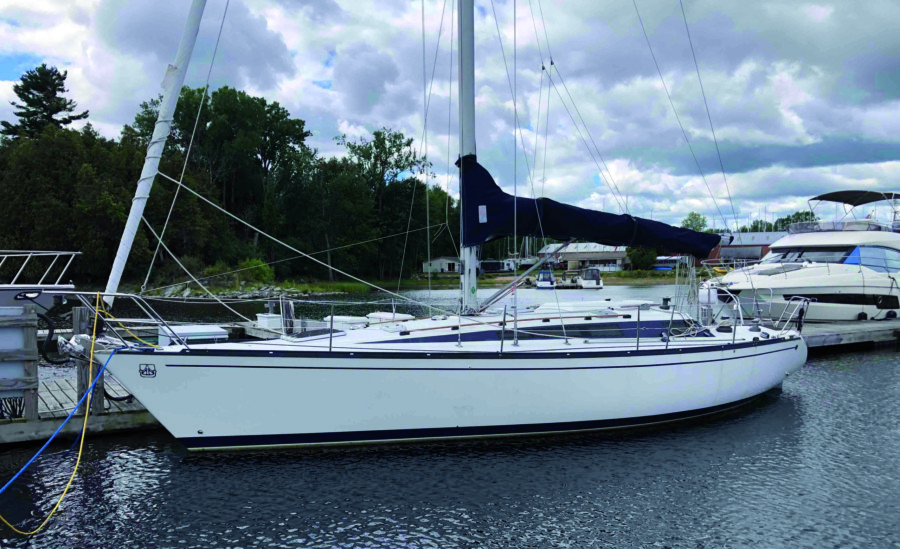
. But the biggest project of the period was in 1982, signed by frers: the
Dufour 39
.
In parallel, co-branding with Lacoste was born, a special experience from which the
42 Lacoste
, a series limited to 12 pieces but highly appreciated in design. Instead, since 1988 we have been looking at a new strand, Prestige, aimed at luxury and cutting-edge quality. With the 1990s comes the Classic line, a comfort-focused rebranding operation entirely aimed at maximum cruising pleasure.
The dual direction of the 2000s
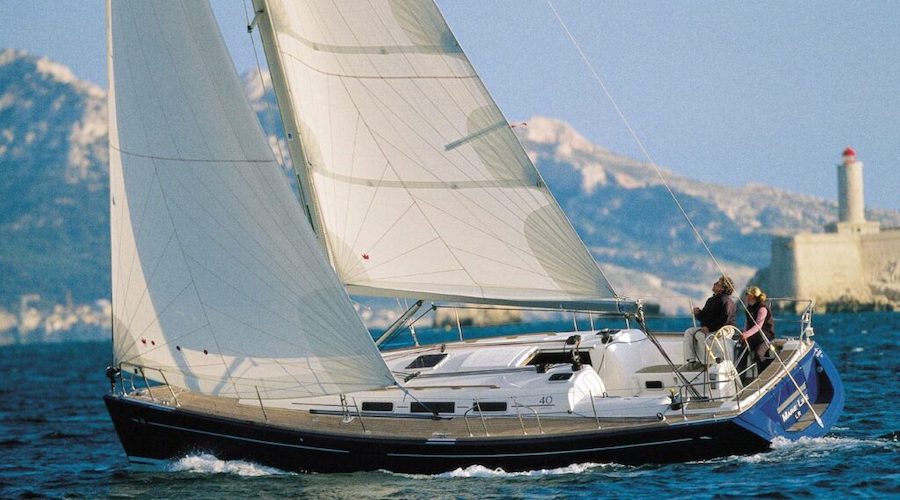
With 2001 Dufour is under the Cantiere del Pardo and it is at this stage that, relaunching the brand, the collaboration with Umberto Felci begins. The two lines Performance and Grand Large were born, aimed at racing and cruising, respectively.
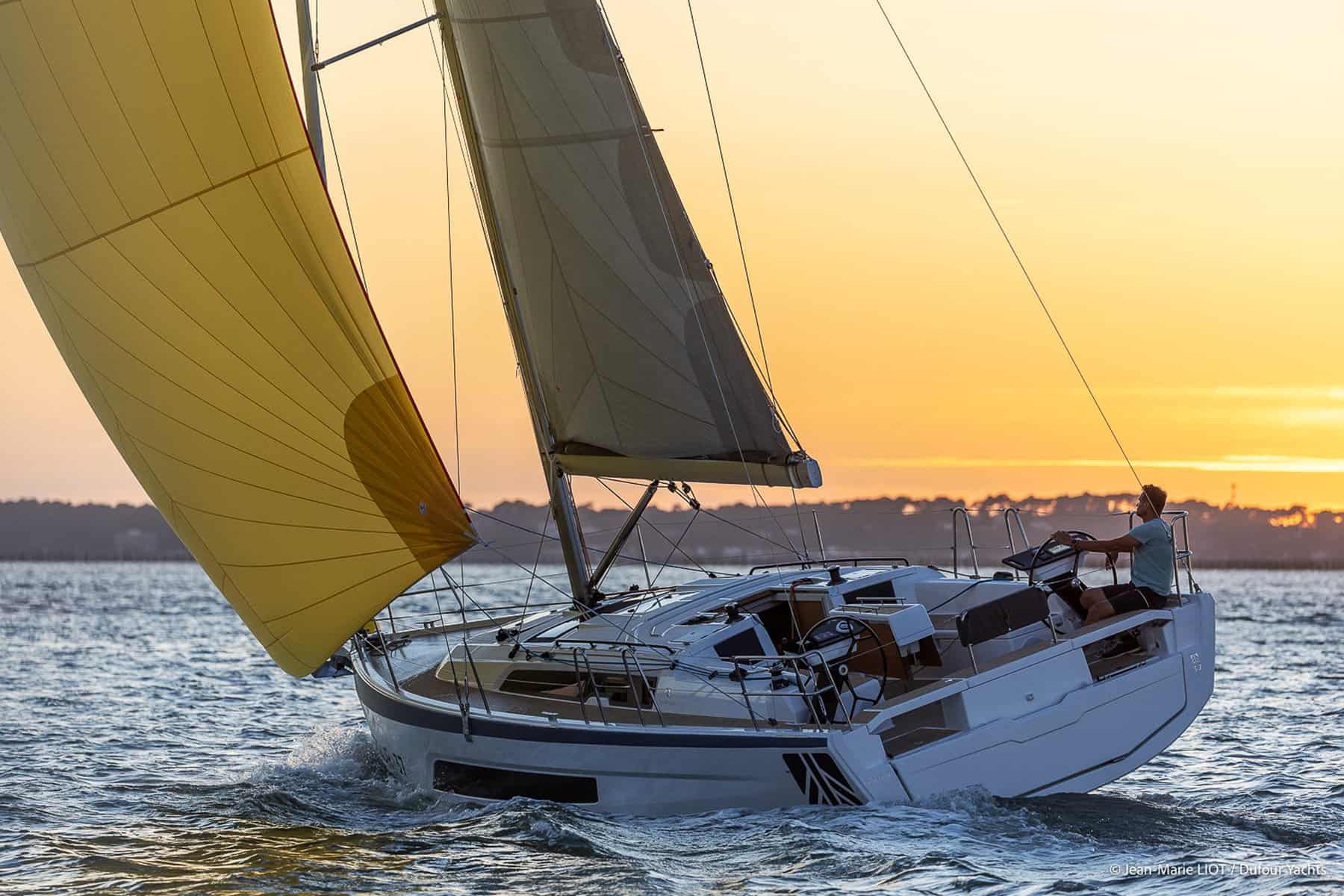
Finally, 2018 marks the final stage for the site, now under Fountaine Pajot. The ambitions and design change, while retaining the shipyard DNA. Born at this stage are the
530
and the
470
, as well as the recent
61
e
Dufour 37.
Three “tidbits” about Classic Boats
- Want to learn more about the world of Classic Boats (1967-1998), the iconic boats of the period, the legendary designers, the stories and races of the “golden age” of sailing? Check out our section dedicated to Classic Boats!
- Do you have a Classic Boat to sell? Put it (for free) on our classifieds market!
You might also be interested in:
La saga degli Hallberg Rassy, le Classic Boat bluewater per antonomasia
Check out the latest issue

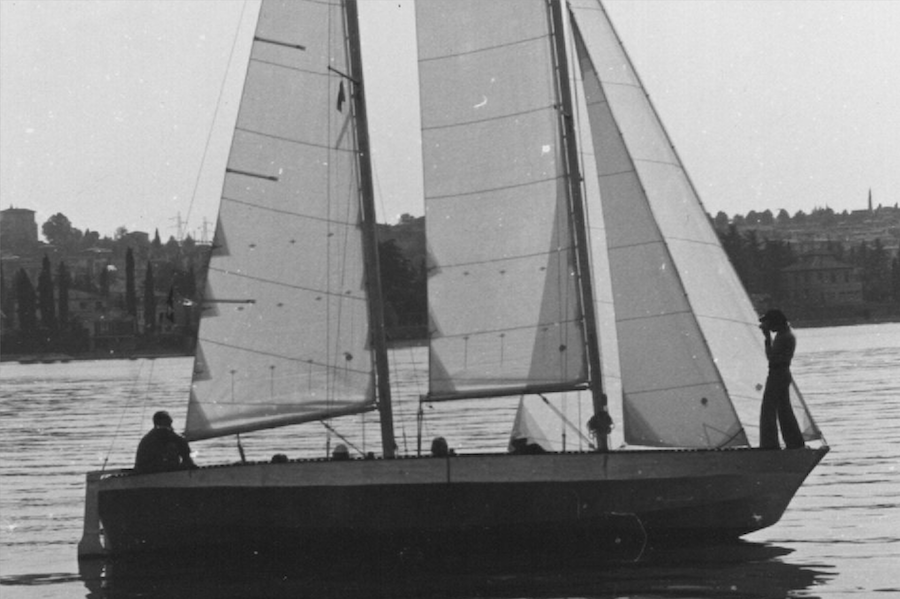
Old boat makes good board! The legendary Fraglia schooner has been “re-launched” after 50 years.
Desenzano, Lake Garda, home of the FVD, Fraglia Vela Desenzano. A Lake classic replicates its launch 50 years after the first time. It is the Fraglia schooner, a light alloy school schooner, the first in Italy to ever be built
VIDEO – Ubi Maior Italia, when a new company is born from a bit of madness
A boat ride in 45 knots and a pinch of madness: these are the ingredients of a story that speaks 100 percent the language of Made in Italy. A story that starts from the heart of Tuscany and has reached
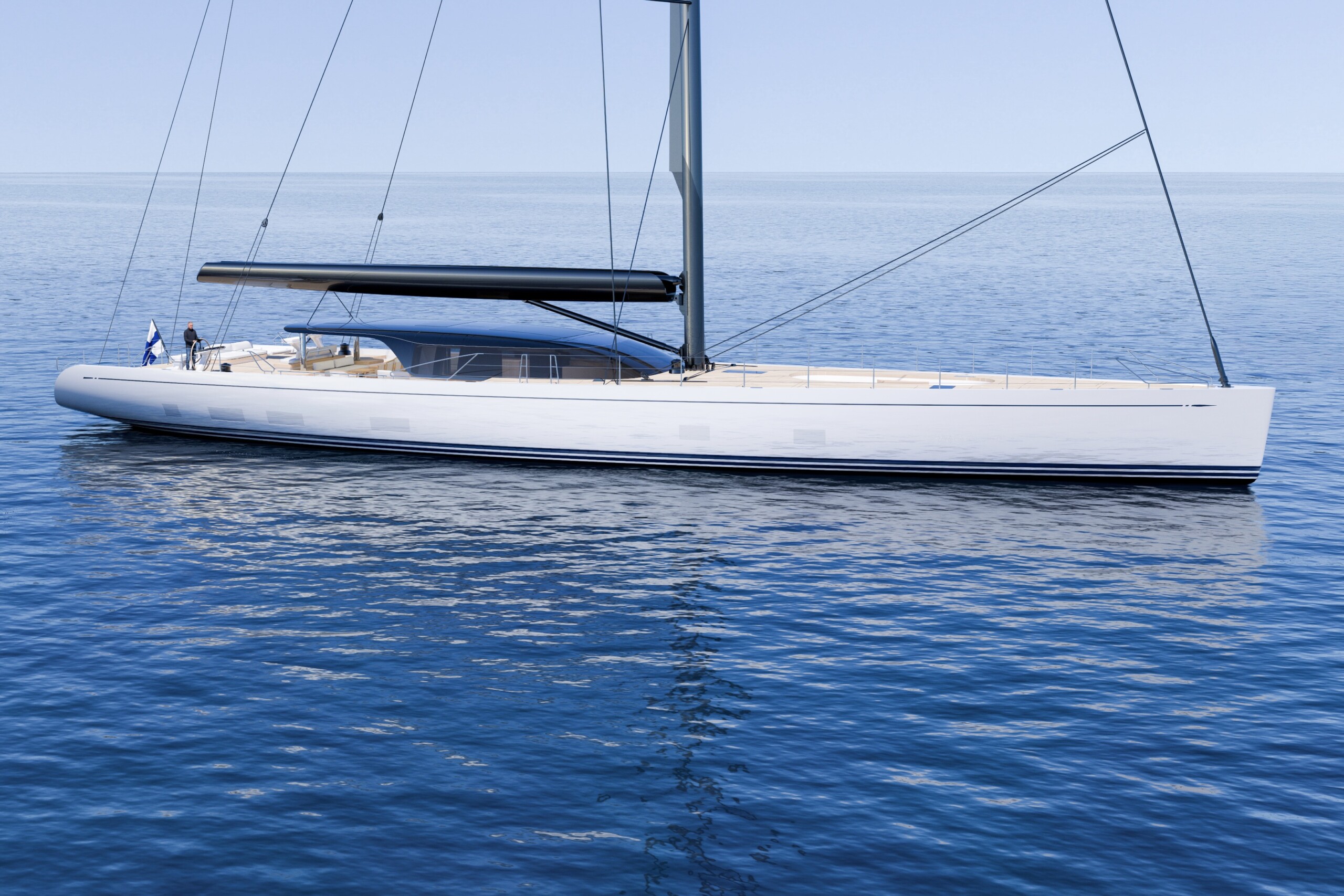
Swan Alloy 44: the new 44-meter aluminum supermaxi
Nautor Swan has unveiled the new Swan Alloy 44, a 44-meter aluminum sailing supermaxi. The first example is scheduled for delivery in summer 2028, with the hull built in the Netherlands and completion in Viareggio. The first owner will be
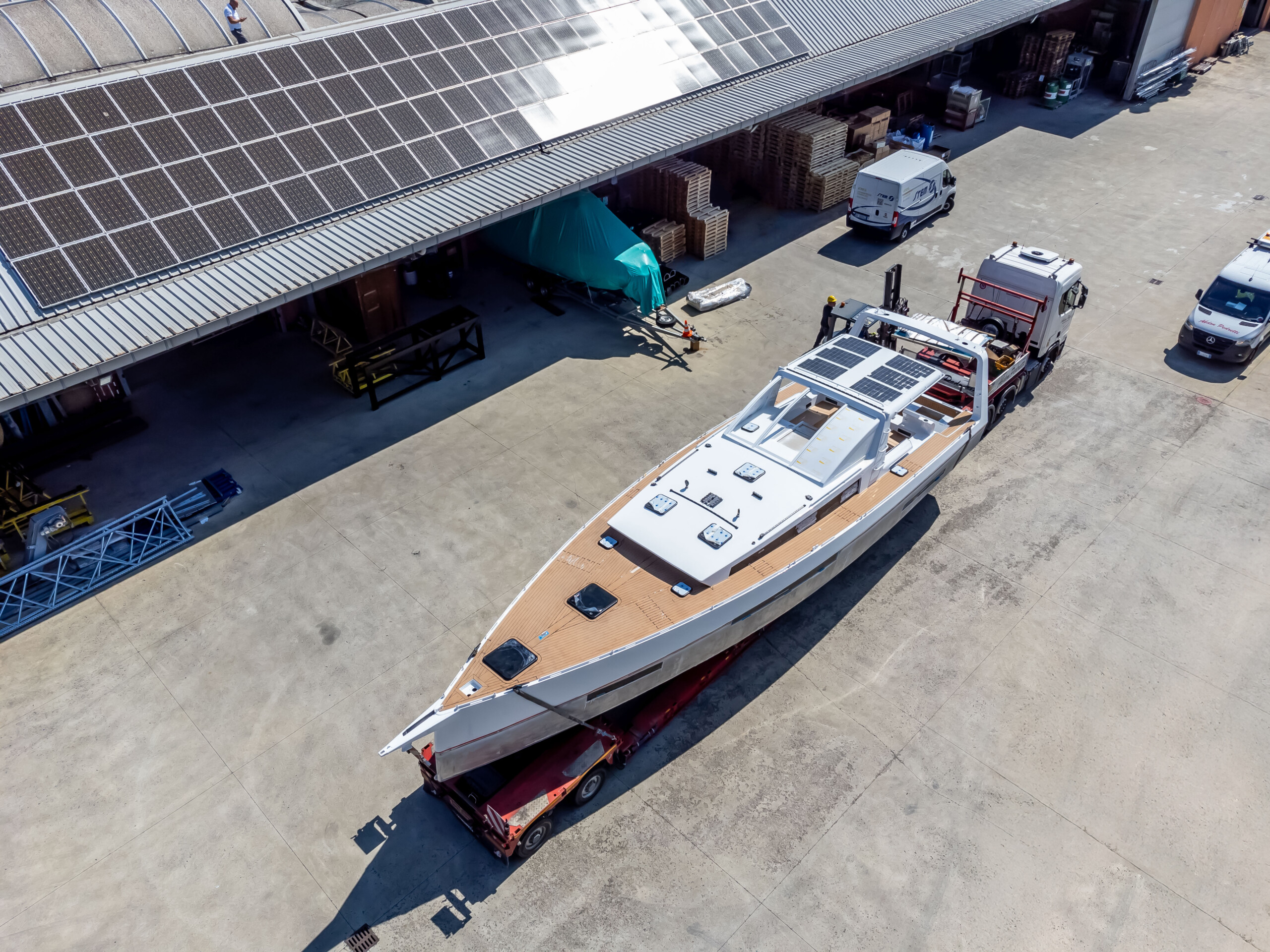
VIDEO – Stem 50 (15.85 m), the 100% Italian aluminum bluewater
We can almost call it “bluewater mania,” because in this 2025 many novelties in sailing come from this type of boat: after the Bluewater 56, the CNB 62, comes a 100% made in Italy boat, which is also a first

