
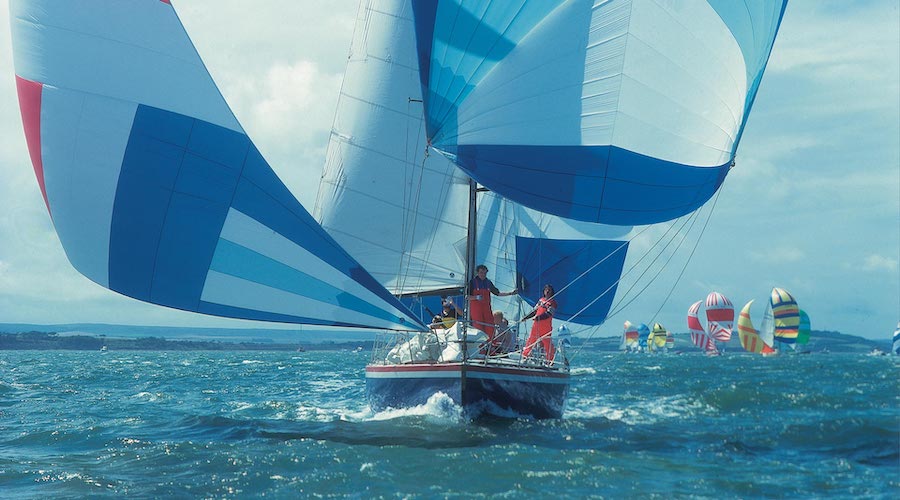
If today we can still enjoy so many great boats that have survived the last century, Classic Boats excellent boats still capable of excitement, credit is undoubtedly due to the hands and minds behind their creation. We have already seen some of the great designers behind the signatures, but, if these boats have since seen the light of day, it is certainly also thanks to the shipyards behind them, enlightened realities capable of maintaining quality standards that are still commendable today. In this micro-series aimed at celebrating some of the great shipyards we have already seen
Hallberg Rassy
,
Dufour
e
Cantieri del Pardo
. It is now time to move north, looking at another sailing giant: Baltic Yachts.
Baltic Yachts
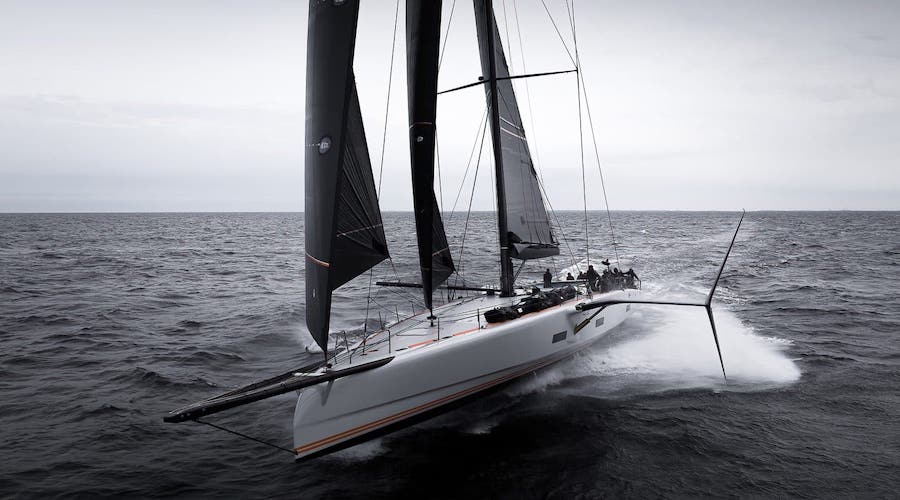
Thinking of Baltic today might, in all likelihood, conjure up the image of one of the most advanced and impressive boats on the current scene, the
Baltic 111 Raven
, with its 34-meter LOA supported in the air by two immense foils. Yet Baltic is also much more than that, strong in a shipbuilding tradition that has been present since 1973 and the creator of some of the greatest Classic Boats ever.
The origins
With the early 1970s, there is no shortage of avant-garde figures on the nautical scene, aided by sudden and constant innovation that touches as much on design and lines as construction methods and technological development. Among the big names to populate the narrow landscape of “enlightened designers” of this period, across the Atlantic, in Canada, two great architects operate: Cuthbertson & Cassian, those who will give birth to the first Baltic, the
Baltic 46
, presented to the world in 1974.
But Baltic was actually born just earlier, in Finland, the offspring of five gifted shipbuilders who, by 1973, decided to open a shipyard aimed at building better boats, lighter, better performing and stronger boats. A design philosophy that befits the new direction taken in parallel by the Canadian duo, which thus designs, precisely, the first ever Baltic, an innovative hull both in design and construction, including solutions suited to lightening the structures and thicknesses, although actually increasing its structural strength.
Baltic Yachts: first projects
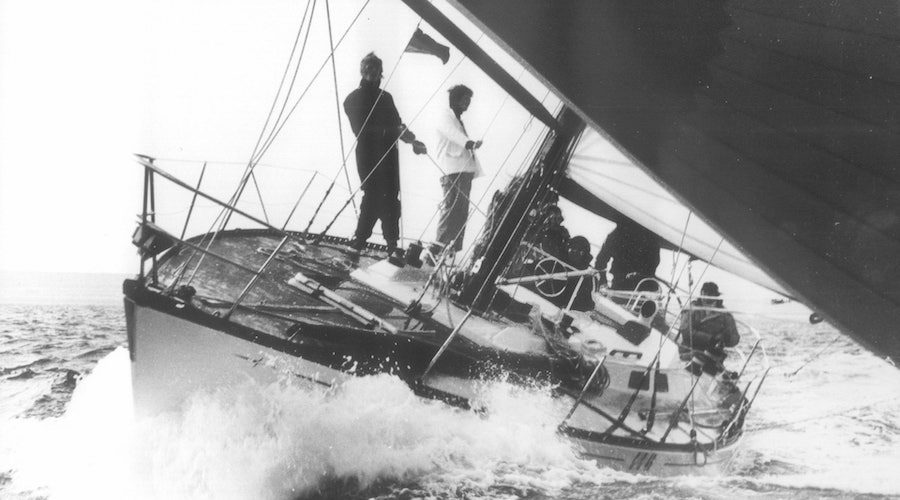
The 46”s 14 feet is, while excellent as an inaugural statement, an important size for the times, when the trend is in fact around 30 to 38 feet. The year 1975 thus saw the launch of two new projects. On the one hand, on the strength of the impression made by the 46′, a custom design conceived for offshore racing is commissioned, the
Baltic 42 Tina I-Punkt
.
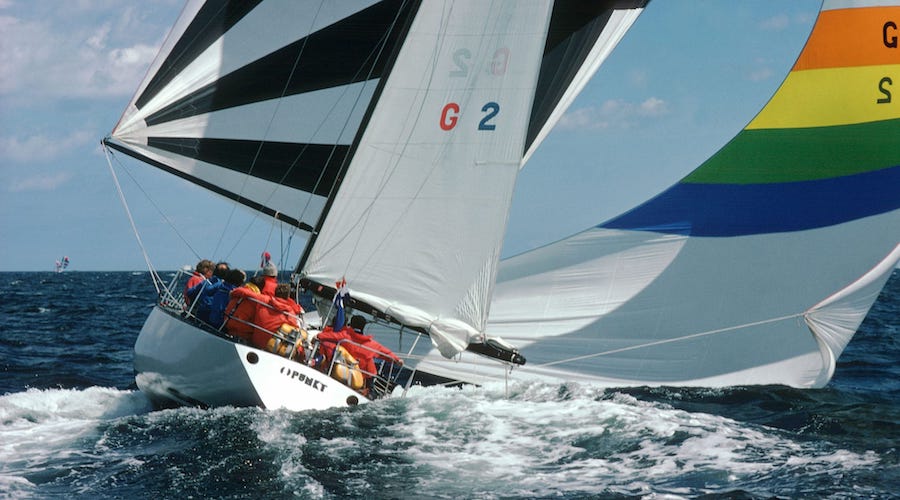
On the other hand, on the other hand, the shipyard’s second mass-produced model was born, a model more suited to large numbers, strong in size of greater appeal to market demand. It is the
Baltic 33
, also signed by C&C and produced in over 40 units. The design philosophy here does not change. The small 33′ is in fact designed for both running and cruising, optimized for short-handed sailing but not oblivious to the space and ergonomics needed instead for a full crew. It will be a small first commercial success.
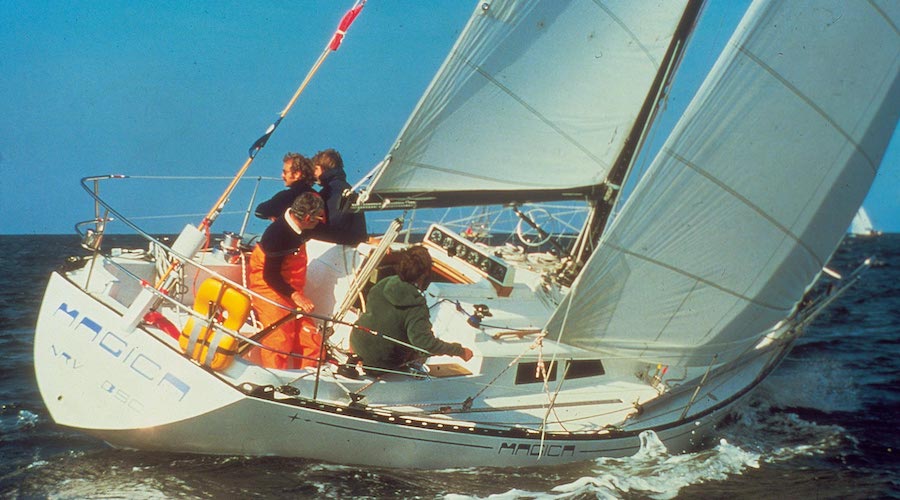
With just 3 projects completed, the shipyard is already ready to play along with the big boys, as 1976 will prove well, with the entry into production of the
Baltic 42
, developed on the design of the Tina I-Punkt and its sister-ship Marauder and sold 20 units in just 4 years.
The first big numbers
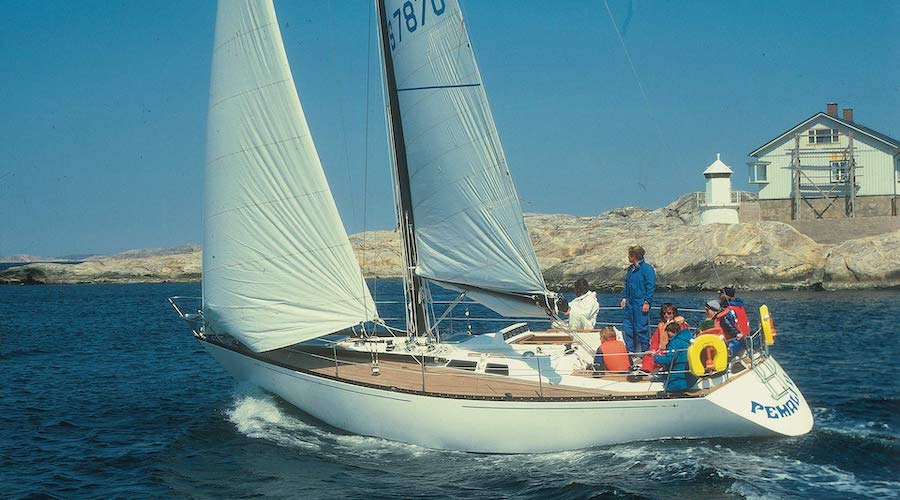
With 1977 we enter production marked by large numbers. Also from the pens of Cuthbertson & Cassian comes, in fact, the
Baltic 39
, a particularly buoyant all-round performer appreciated for her good qualities even between the buoys. It will be produced in 74 copies. On the same philosophy was born in ’78 the
Baltic 37
, a small one-tonner designed for both offshore racing and big cruising. The numbers continue not to disappoint, with 51 units produced in just five years.
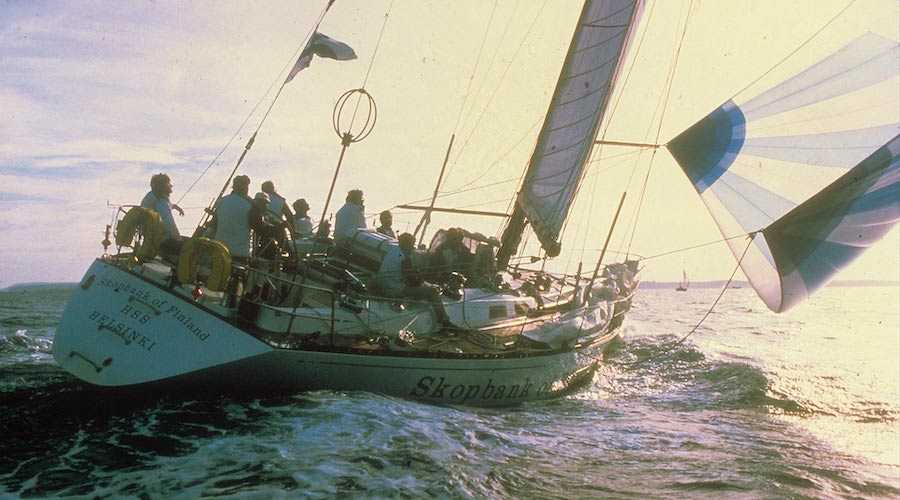
With 1979, the fifth creature of the Baltic / C&C duo, the
Baltic 51
, the third in series, after the 39′ and 37′, to see extensive use of computer programs for design and performance evaluation. It is also on the 51′ that the interior design is marked by a breakthrough destined to influence the market: the aft master cabin features, for the first time, a large central double bed, positioned under the cockpit.
Doug Peterson and the early 1980s
With the 1980s in Baltic a couple of things change. First comes Peterson’s hand to sign the plans. In fact, in 1980 the
Baltic 45 Schorch
, a custom design signed by Peterson (Vrolijk works on deck and interior). This was immediately followed by another design, now a cult favorite among classic boats, the
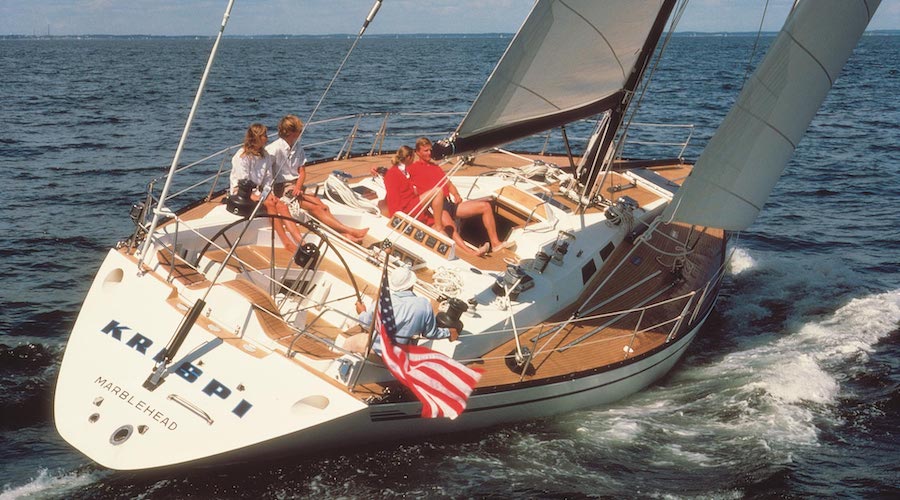
Baltic 42DP
from 1981. Produced in 30 examples, it is a good and fast hull, suitable to compete well in the IOR circuits, while maintaining excellent cruising qualities.
1982 is the year of another racer-cruiser with big numbers, the
Baltic 38
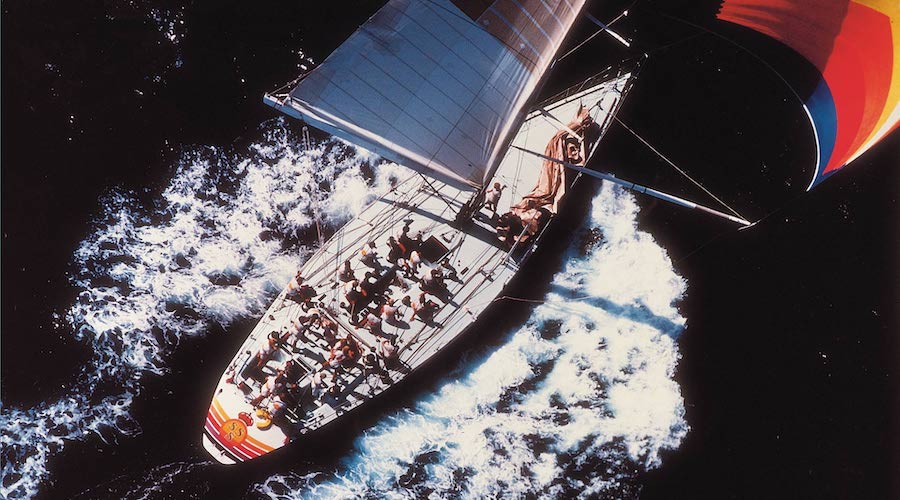
, again signed by Peterson and produced in 55 hulls. Concurrently with 38, 1982 also saw Baltic and Peterson sign a second major project, the Maxi 80 Midnight Sun, testament to the yard’s growing success, replicated with the construction of the two Maxi Saudade e SiSiSi in 1983, unlucky in timing as they were penalized in size just a few years later, with the Maxi class contributing a minimum limit of 80 feet versus their 63.
The second half of the 1980s
1984 and 1985 saw continued success, with Peterson signing the
Baltic 55DP
e
48DP
, joined by the
Baltic 35
by Judel/Vrolijk. But it was ’86 that saw the birth of another must-have shipyard, the
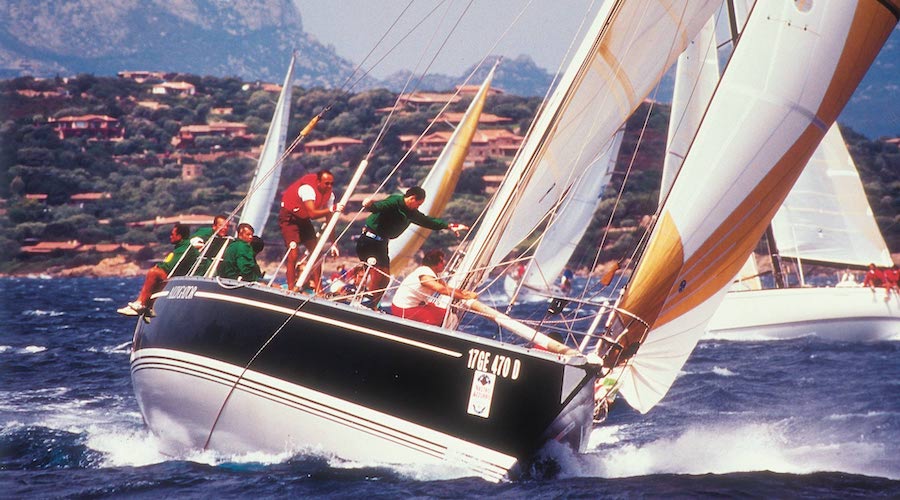
Baltic 43
signed by Judel/Vrolijk, produced until 2001 and sold over 47 units. It is here a performance hull, flexible and strong with all the experience developed by the studio in its design experiences for Admiral’s.
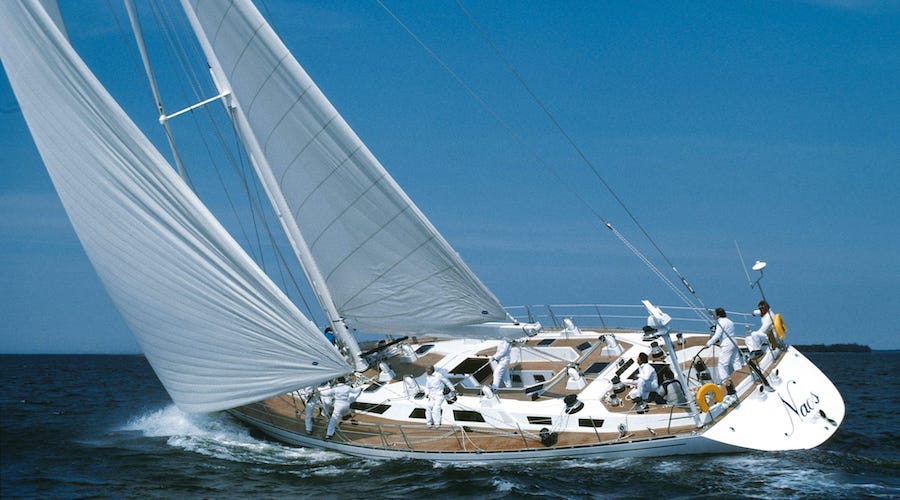
With the 87 Baltic Yachts signs its first collaboration with Sparkman & Stephens by building the Maxi
“Naos”
, an 83-footer designed specifically for big cruising. Also in this late decade, the
Baltic 40
by Judel/Vrolijk and the Maxi 81ft
Martela
by Frers for the Whitbread Round the World Race.
The 1990s and 2000s
With the 1990s Baltic began to experience a period of greater custom commissions parallel to an alternation of different signatures. These are the years of the
Baltic 52
e
58
signed by S&S, as well as the
Baltic 47
signed by Judel/Vrolijk and the
67
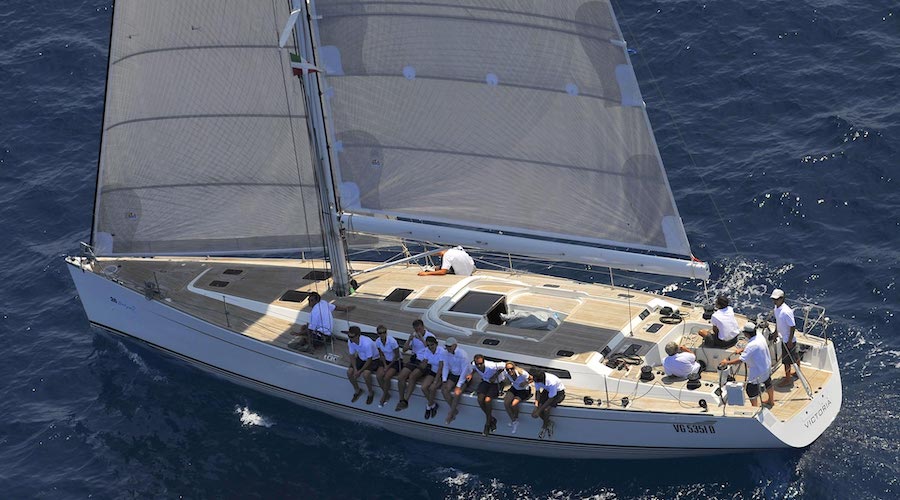
by Farr. It was 1998, however, that saw the masterpiece of Bill Tripp, who signed the
Baltic 50 SC
in collaboration with Vismara. A splendid design for timeless elegance and performance.
However, the late 1990s and early 2000s are also the years of records and new experiences. In 97 Baltic produced its first motor yacht, the
Baltic M48
, while, in 2002, it signed its first design over 100 feet, the
Baltic 147 Vision.
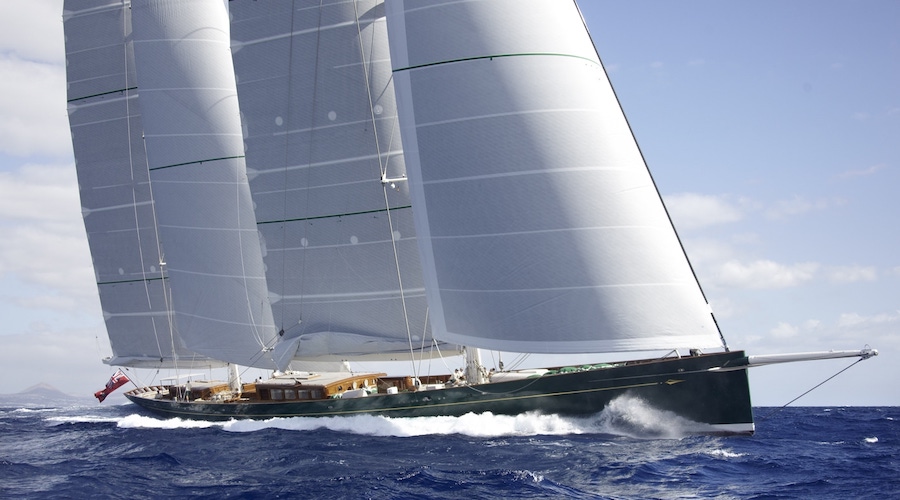
Bigger numbers arrive in 2011, with Baltic signing on
Hetairos
, at the time the world’s largest carbon composite yacht: an impressive 218 feet. In 2017, however, the record goes to the
Baltic 175 Pink Gin,
the world’s largest carbon sloop, replicated in 2019 by the
Canova
, the first superyacht to be equipped with DSS foils.
Overall, a story that, as the recent 111 also shows, has held a clear and well-defined design approach from the beginning, looking at performance and quality as key objectives, but without having to sacrifice comfort and structural soundness. A format that, over the past 50 years, seems not to have disappointed.
Three “tidbits” about Classic Boats
- Want to learn more about the world of Classic Boats (1967-1998), the iconic boats of the period, the legendary designers, the stories and races of the “golden age” of sailing? Check out our section dedicated to Classic Boats!
- Do you have a Classic Boat to sell? Put it (for free) on our classifieds market!
You might also be interested in:
Cantieri del Pardo, la storia dietro i mitici Grand Soleil | Classic Boat
Check out the latest issue

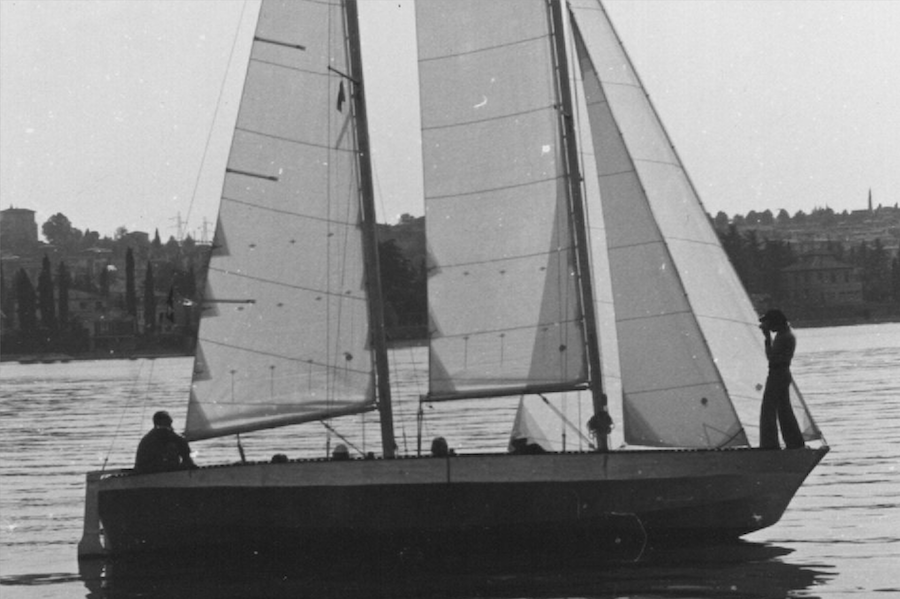
Old boat makes good board! The legendary Fraglia schooner has been “re-launched” after 50 years.
Desenzano, Lake Garda, home of the FVD, Fraglia Vela Desenzano. A Lake classic replicates its launch 50 years after the first time. It is the Fraglia schooner, a light alloy school schooner, the first in Italy to ever be built
VIDEO – Ubi Maior Italia, when a new company is born from a bit of madness
A boat ride in 45 knots and a pinch of madness: these are the ingredients of a story that speaks 100 percent the language of Made in Italy. A story that starts from the heart of Tuscany and has reached
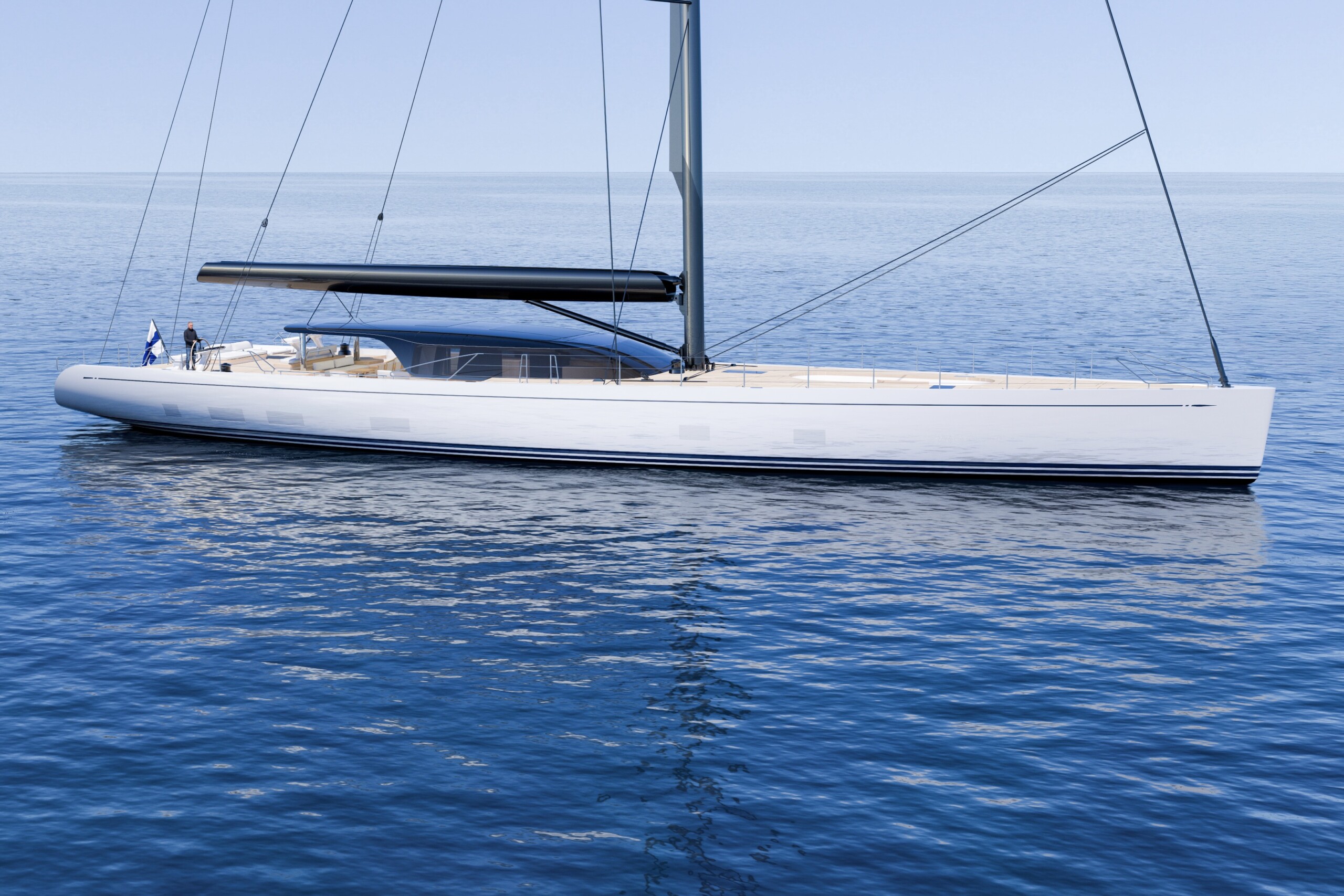
Swan Alloy 44: the new 44-meter aluminum supermaxi
Nautor Swan has unveiled the new Swan Alloy 44, a 44-meter aluminum sailing supermaxi. The first example is scheduled for delivery in summer 2028, with the hull built in the Netherlands and completion in Viareggio. The first owner will be
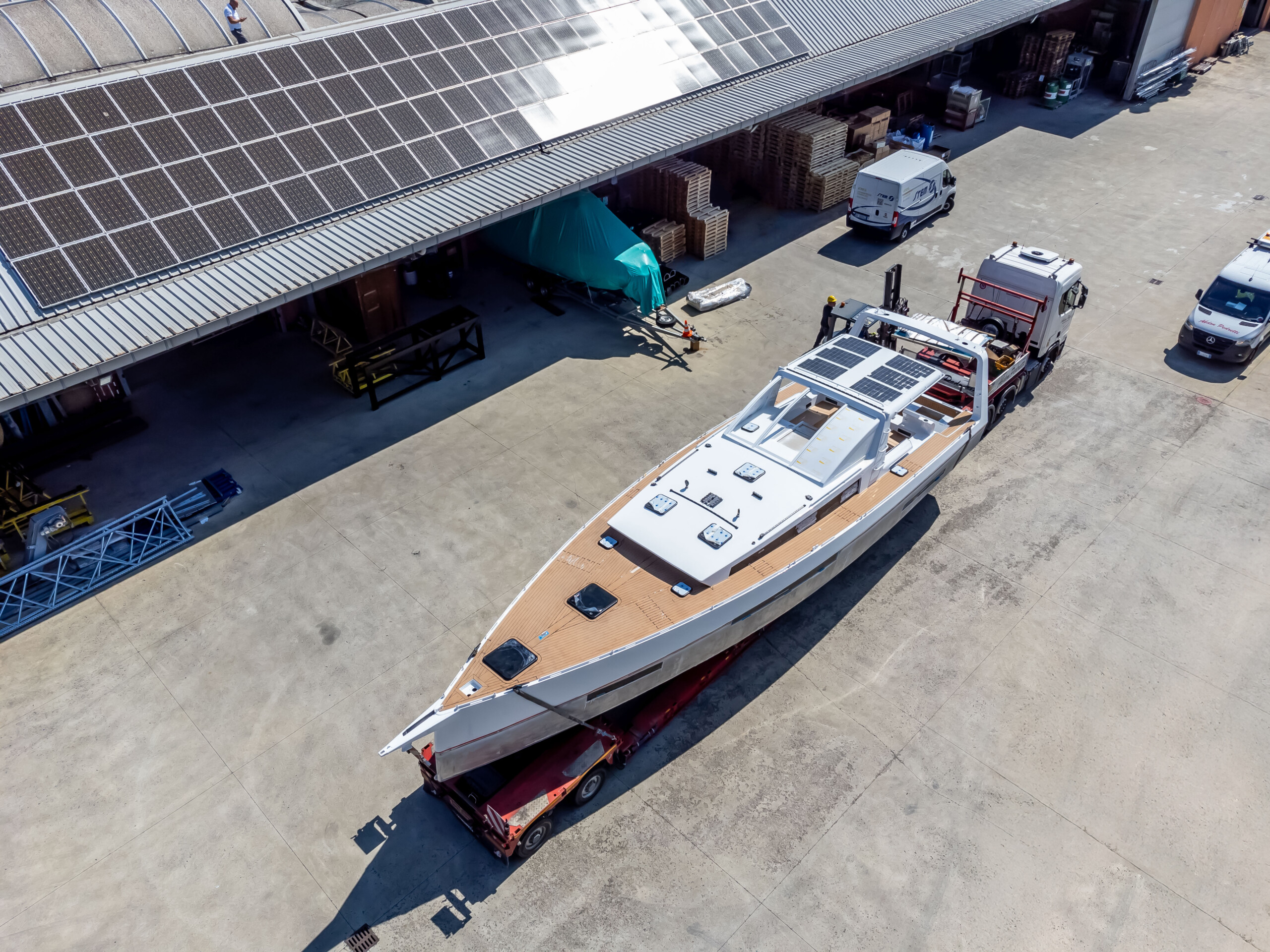
VIDEO – Stem 50 (15.85 m), the 100% Italian aluminum bluewater
We can almost call it “bluewater mania,” because in this 2025 many novelties in sailing come from this type of boat: after the Bluewater 56, the CNB 62, comes a 100% made in Italy boat, which is also a first

