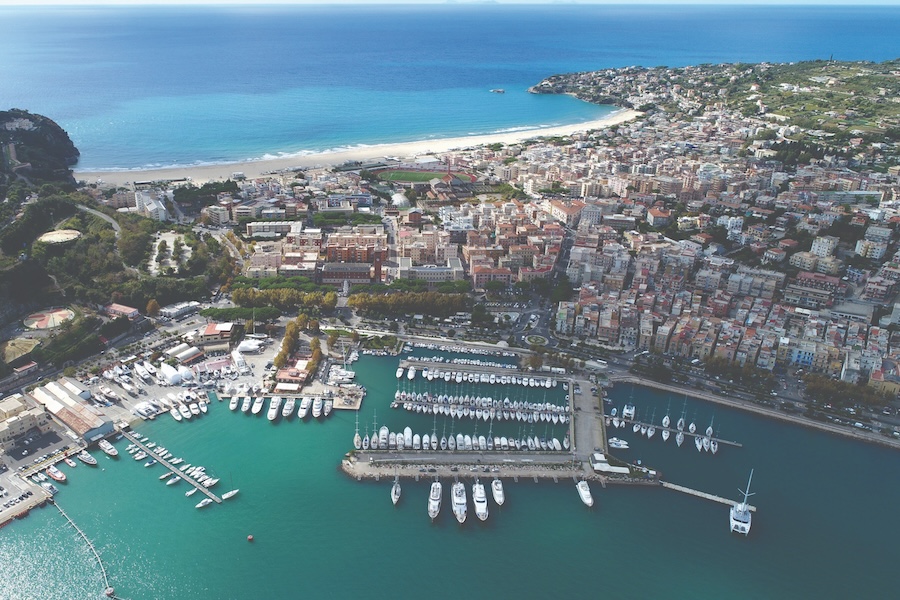
There is a treasure, we will never tire of repeating, that is worth billions and that our country has yet to figure out how to make the most of. It is nautical tourism, in all its forms.
Nautical tourism 2025, what to do
In 2024, although undoubted steps forward have been taken(nautical license, eco-incentives…) the world of boats (and of all those who benefit from boats, at every level) is still burdened, above all, by endemic vices. Beginning with a slow and complex bureaucracy, byzantine laws, asphyxiating obligations, excessive charges, inadequate, expensive and elitist landings, constant sea controls, and poor services. So let’s come up with some ideas, suggestions (in some cases, advice) to improve the industry by making boating (and nautical tourism) more efficient and accessible to an ever-widening public.
In multiple installments, theme after theme we will dissect problems and proposals to solve them for the 2025 beginning.
After dealing with the still-standing title of professional skipper, computerized boat registry, end-of-life boats, tourist ports and marine protected areas , and talking to you about foreign-flag registrations and what can still be done to improve the Italian boating license, as well as regional laws, endowments and the age-old problem of boats abroad, in the latest installment we address the issues of promoting nautical tourism, rafts, controls at sea and everything related to so-called social boating.
Boating promotion
Too little is still being done in our country to promote recreational boating. There is the National Day of the Sea (April 11), there is VelaDay (early June), some initiatives during boat shows and little else. Not much for a country planted in the center of the Mediterranean with more than 8,000 kilometers of coastline.
Proposals – Create initiatives (events, demonstrations, fairs, sailing schools or introductory sailing courses) that promote recreational boating as an activity accessible to all, even with small and inexpensive boats. Involve the younger generation by increasing “sailing-school” projects with the collaboration of the Ministry of Education. Involve charter companies as well, capitalizing on the growing passion for active and sustainable tourism by creating ad hoc flotillas and itineraries.
Social boating, let’s hope for the best
A happy intuition inserted with the latest amendments to the Recreational Code was that of “social boating,” for which facilities were provided then clarified with the recent Regulations implementing the Recreational Code. As a reminder, social boating is defined as that carried out on a nonprofit basis with vessels up to 6 meters in length and also activities carried out to spread boating among students at least 9 years of age or for the purpose of therapeutic aid to people with disabilities (or psychological, learning disorders, etc.). The incentives under the new Regulations provide that: – in port areas, areas are identified by the competent authorities for mooring, including dry mooring, of recreational units used for social boating as well as the creation of public slips and parking areas for the relevant trolleys; – boats used for social boating when parked “in transit” be given a reduction of at least 30 percent in the cost of providing quay services; – managers of marine protected areas arrange facilities for the mooring of social boating units in buoy fields, equipped mooring fields and also for the provision of quay services.
Proposal – There has been a lack of incentives for minor boating; now it is necessary to oversee that the facilities provided by these recent regulations are actually implemented. Therefore, it is needed that authorities and agencies called upon take action as soon as possible and that boaters also report delays and defaults.
Checks at sea, 40 times more than on cars!
Those who put their bows out of a harbor are still almost mathematically certain to be stopped by authorities for inspection. Even if he or she is sailing under full sail or placidly stationary at anchor. Especially in the summer. Curbing this hunt for boaters has been helped neither by the exclusive entrusting of sea controls to the Port Authority Corps nor by the introduction of the Bollino Blu, the sticker to be applied to the hull that is supposed to certify that a boat has already been checked by the competent authorities and thus avoid new controls. Some have estimated that recreational unit inspections are about 40 times more frequent than those to cars.
Why? Unknown. Certainly, in the Coast Guard’s annual reports, the “monstrous” numbers of boats stopped at sea are displayed with a certain pride. Almost as if the yachtsman is by definition a high delinquent risk subject. And that is unfortunate, not least because this maritime persecution breeds acrimony toward a body that actually does a difficult and valuable job of protecting safety at sea.
Proposal – Reduce routine Coast Guard inspections of vessels at sea, and if anything, increase surveillance along the coast where most of the infractions at sea actually occur.
Life rafts, what if we did as in France?
Life raft overhaul is one of the fixed costs burdening the boater and is among the most inconvenient tasks to handle. Keeping this life-saving accessory efficient is a must, but are we sure that the recalls provided in Italy are dictated only by safety requirements? In our country for the life raft there is an “ordinary” overhaul every 2 years and an extraordinary (more expensive) overhaul every 4. In France the overhaul of the same type of rafts (and by the same companies) is scheduled every 3 years plus a cylinder change only every 9 years. Why the (not insignificant) difference?
Proposal- Uniform the review of rafts to the French criteria by lengthening the review deadlines.
Fabrizio Coccia
- In episode 1: Professional skipper, telematics registry, end-of-life boats
- In episode 2: Marinas and Marine Protected Areas.
- In episode 3: Foreign flags and licenses.
- In episode 4: On-board equipment, first aid, vessels abroad.
Check out the latest issue

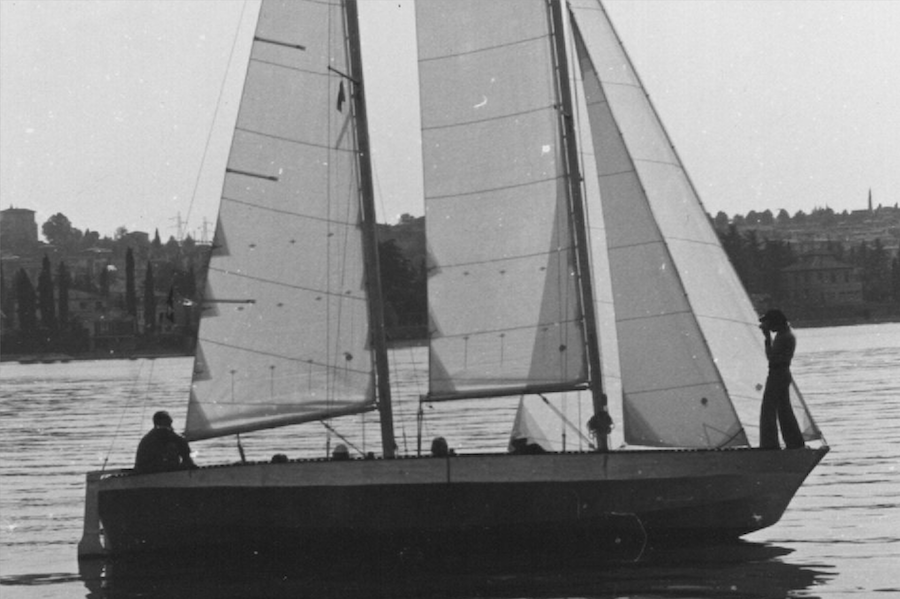
Old boat makes good board! The legendary Fraglia schooner has been “re-launched” after 50 years.
Desenzano, Lake Garda, home of the FVD, Fraglia Vela Desenzano. A Lake classic replicates its launch 50 years after the first time. It is the Fraglia schooner, a light alloy school schooner, the first in Italy to ever be built
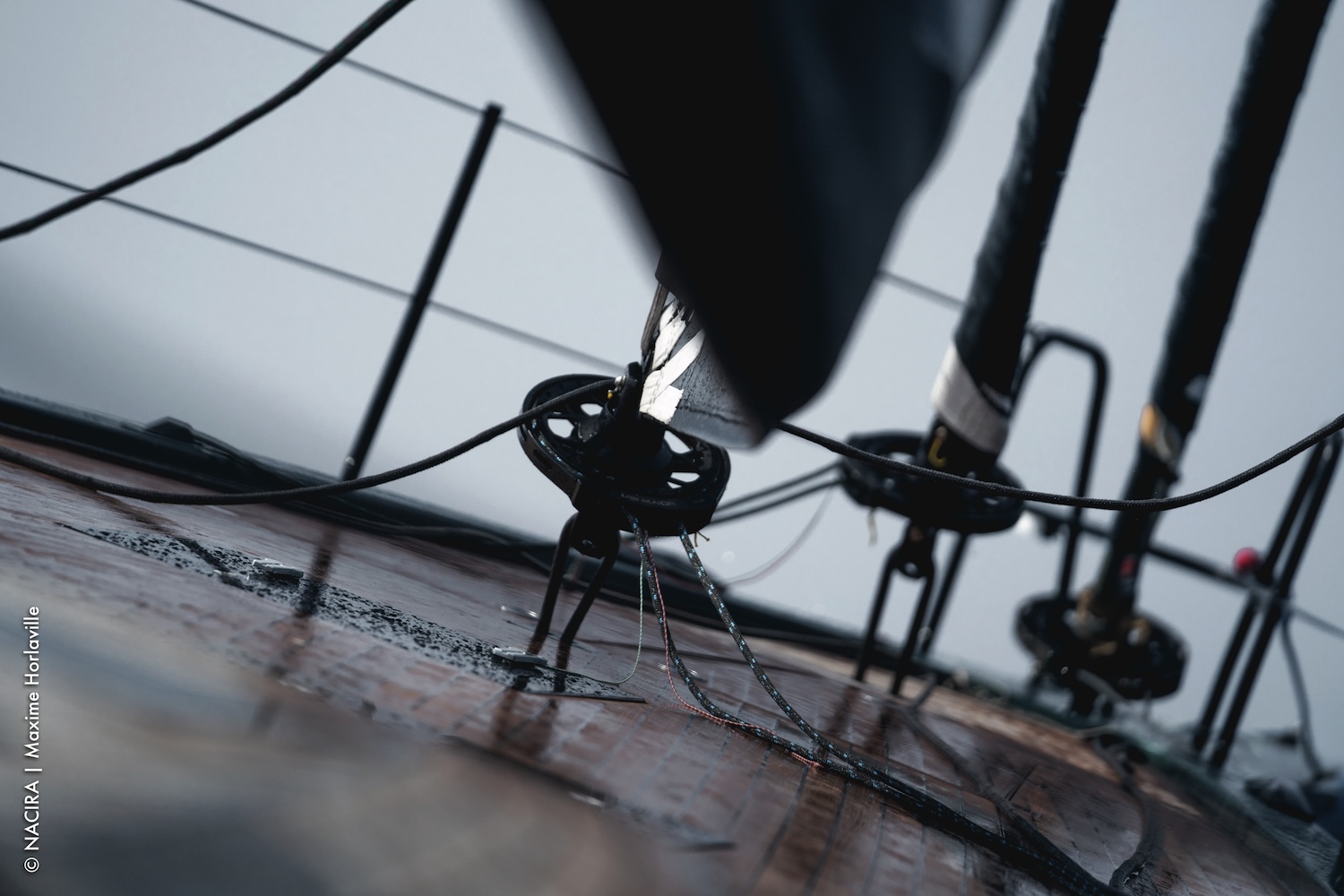
VIDEO – Ubi Maior Italia, when a new company is born from a bit of madness
A boat ride in 45 knots and a pinch of madness: these are the ingredients of a story that speaks 100 percent the language of Made in Italy. A story that starts from the heart of Tuscany and has reached
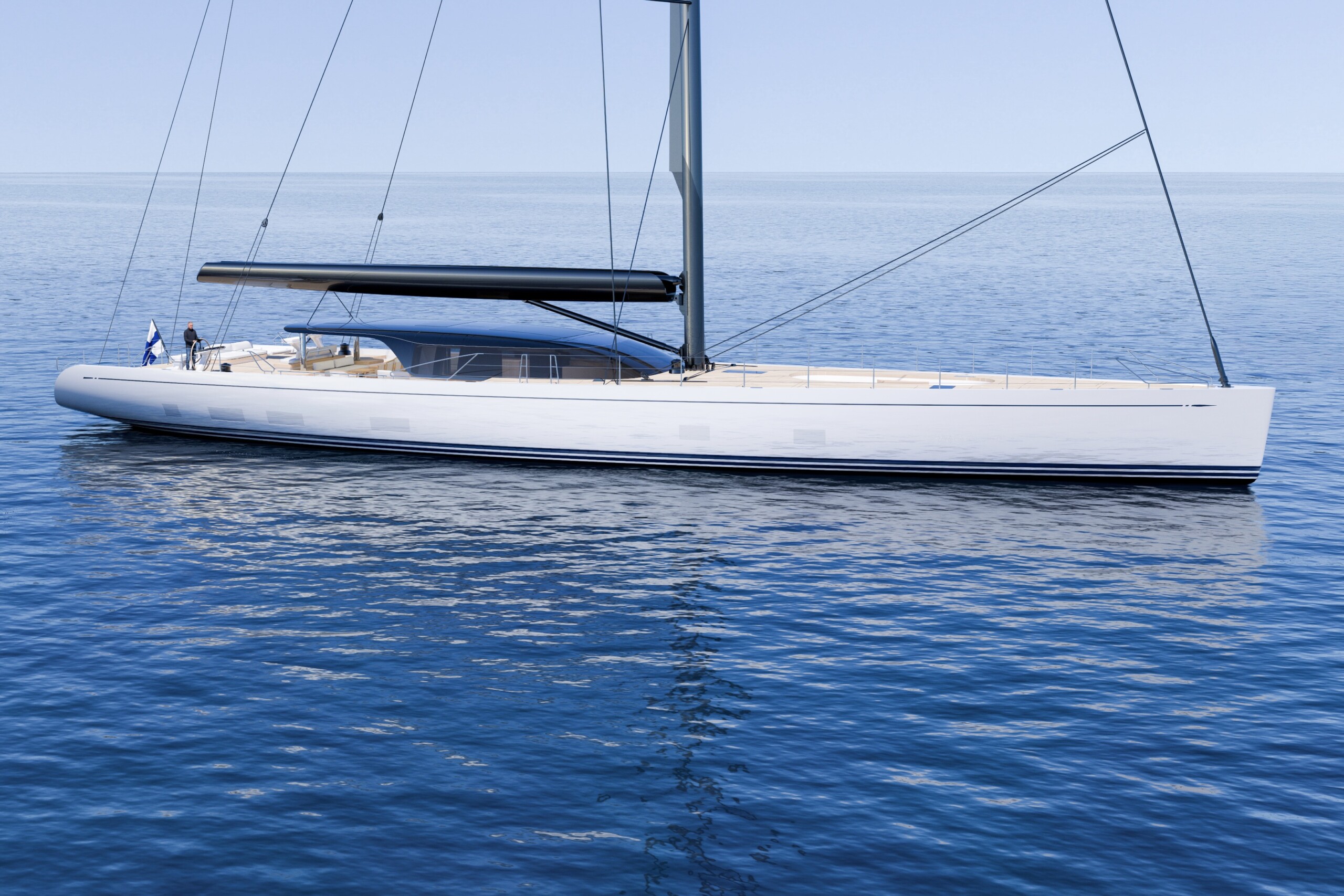
Swan Alloy 44: the new 44-meter aluminum supermaxi
Nautor Swan has unveiled the new Swan Alloy 44, a 44-meter aluminum sailing supermaxi. The first example is scheduled for delivery in summer 2028, with the hull built in the Netherlands and completion in Viareggio. The first owner will be
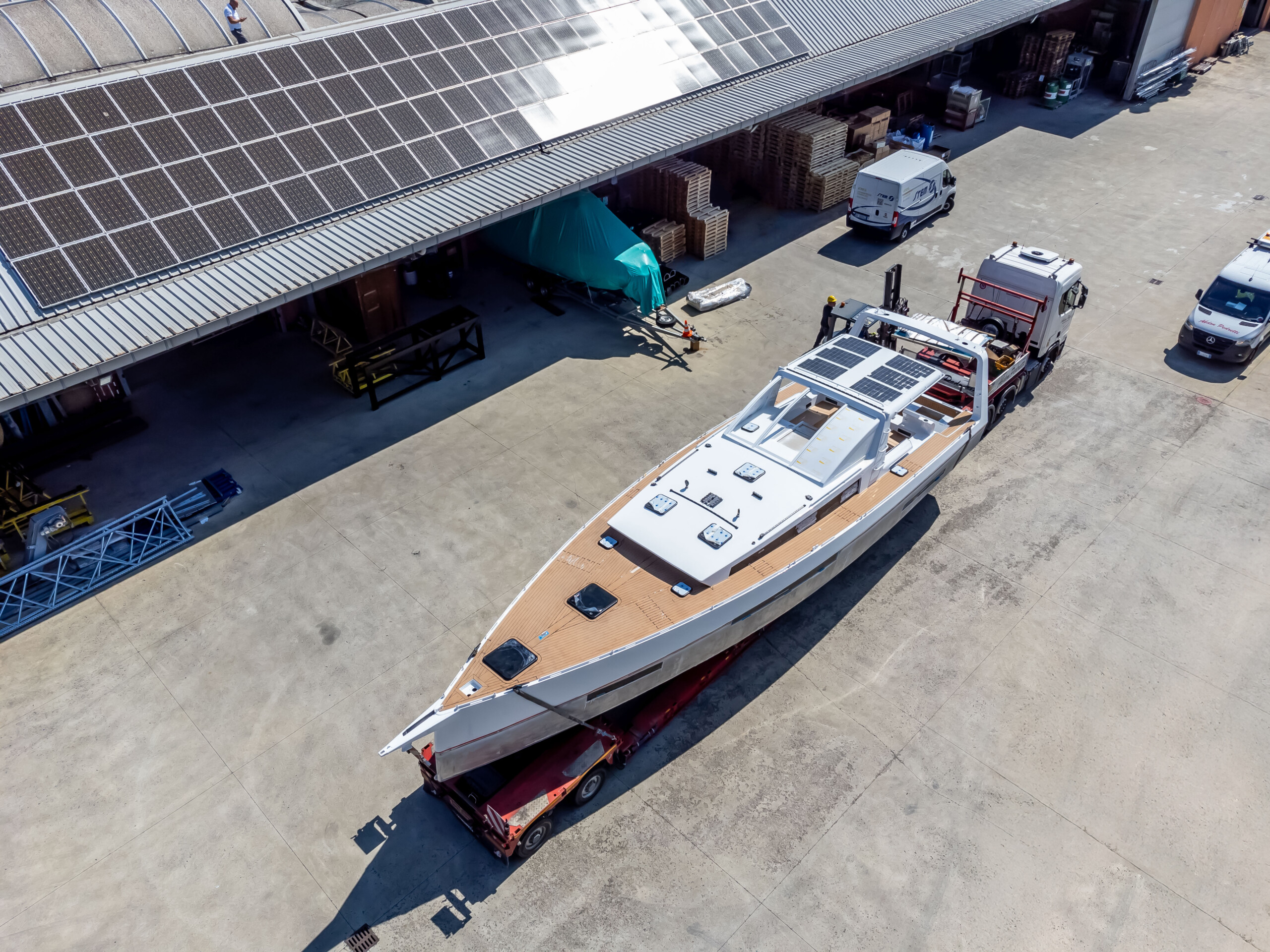
VIDEO – Stem 50 (15.85 m), the 100% Italian aluminum bluewater
We can almost call it “bluewater mania,” because in this 2025 many novelties in sailing come from this type of boat: after the Bluewater 56, the CNB 62, comes a 100% made in Italy boat, which is also a first

