
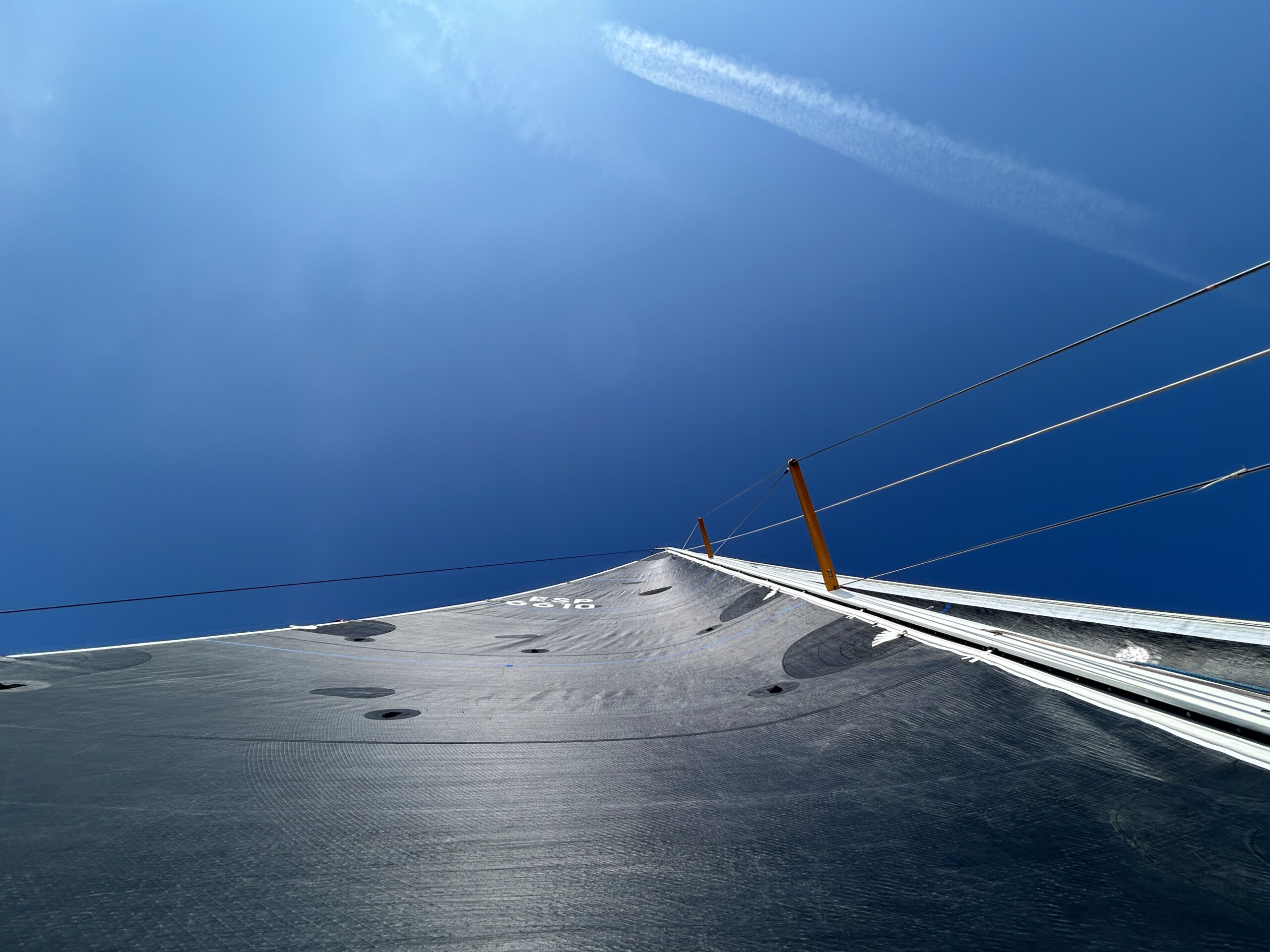
Mast adjustment is a fundamental aspect of improving the sailing qualities of a sailboat, whether it is a cruising, sport, or racing boat. When we talk about mast adjustment, we are not just referring to its centering. Mistakenly, people sometimes think that in order to adjust the mast, it is enough to position it “straight,” not let it lean to one side or the other, and that’s it. Of course, centering is important so that starboard and port side performance is mirrored, but this is only a very small part of the work to be done.
Particularly so on modern rigs equipped with angled (quartered) spreaders, the adjustment of shrouds tension has an important impact on the shape of the sails. Shrouds are divided into vertical, which are those that go up from the deck to the masthead or just below (depending on the rig), and diagonal shrouds, which are those that go up diagonally to work near the spreader attachment.
MAST. VERTICAL AND DIAGONAL SHROUDS
The two types of shrouds do a different job: the verticals handle the curvature of the mast by affecting the whole shaft and particularly the part from the middle up. The diagonals, on the other hand, manage the curvature in the middle and lower areas, but also spoon the mast laterally under load.
Taking a practical example: the more we cock the verticals, the more the mast increases its curvature, the head moves toward the stern and the middle part goes forward. In this way, the mainsail fat, that is, the depth of the sail, is shifted toward the bow and “dried out” by the deflection of the mast. Conversely at softer verticals the mast straightens, the fat returns toward the stern and the sail becomes more powerful. With cocked diagonals, on the other hand, the middle and lower part of the mast will not curve either forward or especially downwind. By managing the two shrouds we will then go to control each portion of the mast and its relative curvature in the fore-aft and right-left axis.
Let us also not forget that an important role in managing sail shape is also played by the backstay and forestay. The backstay contributes both to the deflection of the mast and especially to the management of the forestay catenary, which is the physiological bending that the forestay makes if the backstay is unloaded.
The forestay adjustment, on the other hand, mainly controls the shape of the headsail, but it also affects the rake displacement, which is the inclination (not to be confused with the deflection) of the mast on the fore-aft axis. If we untwist the forestay turnbuckle, we will lengthen the forestay measurement, the masthead moves aft, the sail center then goes backward, and we will have a more idle boat. At the same time it will increase the chainstay when the backstay is unloaded, so we will have a rounder headsail.
But how to go about deciding in every wind and sea condition what tension to give to the various components of the mast? Balance is not easy to find, and of course it is good to get advice even from a professional since the mast is a crucial component of the boat. With the advice of a good rigger we can learn the basic concepts so that we can then try our hand at mast management independently.
MAST REGULATIONS.
Let’s start with the forestay. To have a well-adjusted boat, ideally with 7-8 knots of wind this one must, if we let go of the rudder with the blade in the center, heave naturally and gradually until it goes against the wind. If this does not happen, we are likely to have little rake at the mast and thus little leaning aft, with a sail center that is too far forward, and an upwind gait that will struggle to come upwind at acceptable angles.
We will then have to start to let go of some of the forestay from its turnbuckle, and evaluate the effect on the gait. And we will continue to let go until the boat starts to bear off. It will likely increase the forestay catenary, which we will manage through the backstay.
As the wind increases this gyre tendency will grow to become problematic, but at that point there are other ways to counteract it: backstay as mentioned and shrouds of course.

SHROUDS IN BANISHMENT NO FEAR
The shrouds are certainly the most complex aspect. Starting from the situation of 7-8 knots of wind, we have to have such an adjustment of the shrouds that those downwind, upwind, both the vertical and the diagonal ones, go slightly to the windward side of the mast in a bid. Visually seeing shrouds on the leeward side may be scary, but those on the leeward side perform virtually no mast-supporting function, which is instead entrusted entirely to those upwind. When we tack they will switch roles.
With the downwind shrouds becalmed, thus a moderate tension on the upwind shrouds as well, we will have the central part of the mast making a slight downwind bend, thus helping the sail to increase its depth. At the same time we will thus have a moderate mast bend, and thus a fatness of the mainsail in a fairly central position.
With winds below 12 knots, and relatively flat water in fact, the goal is to seek maximum sail depth and power, so tensions will have to be moderate, and it is a good thing that the downwind shrouds will go accordingly in bailing from discharges. The mast will be in no danger. From boat to boat obviously these adjustments may vary. There are boats, for example, that already with 12 knots of wind need to thin the sails more.
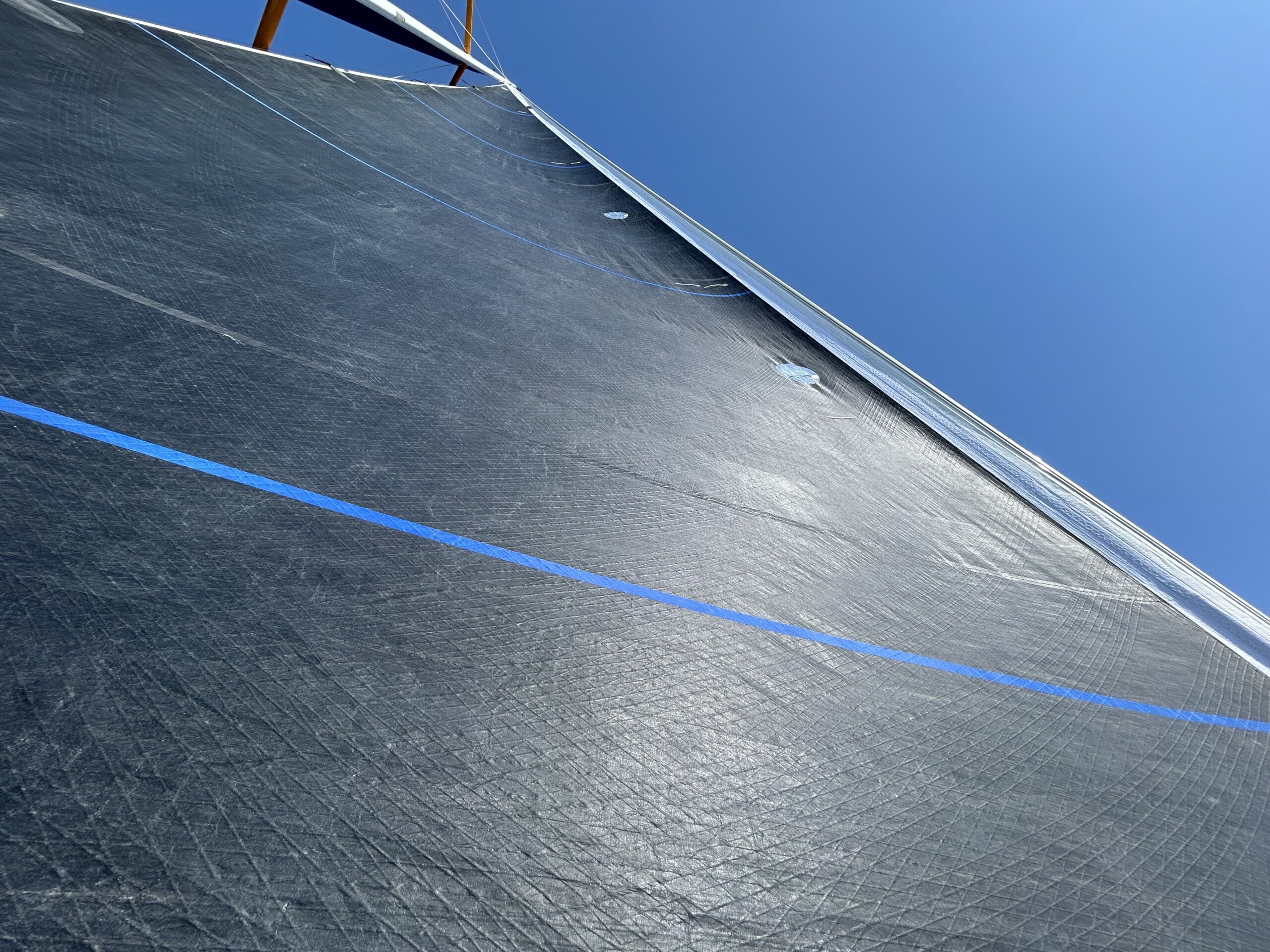
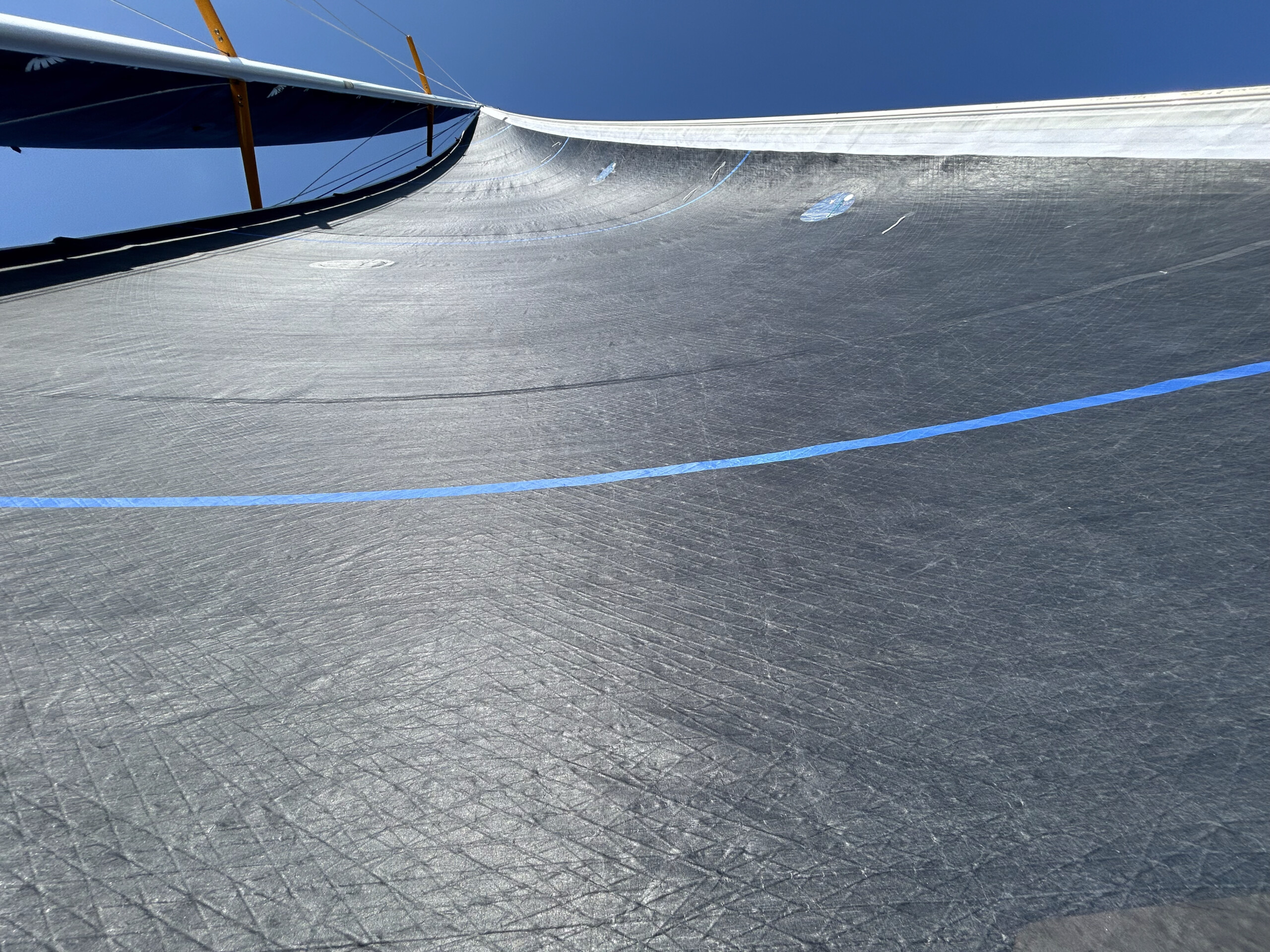
Conversely, in stronger winds and especially waves, tensions should be gradually increased. Especially with wave, diagonals will limit the pumping of the mast. The verticals will serve to decrease and move the fat forward. Physiologically there may be a slight banishing of the shrouds downwind even in a strong wind, but observing the behavior of the mast this should still have limited pumping (difficult to eliminate it totally), thanks to the tension on the diagonals, and a major curvature given by the verticals to dry the sail grease. Visually the mainsail, but also the jib, will look lean. It might be useful to take pictures, from the bottom up, of the central area of the sail, to appreciate the difference in shape as the adjustments change. A method sailmakers and riggers use to assess the effect of different tensions on the sails.
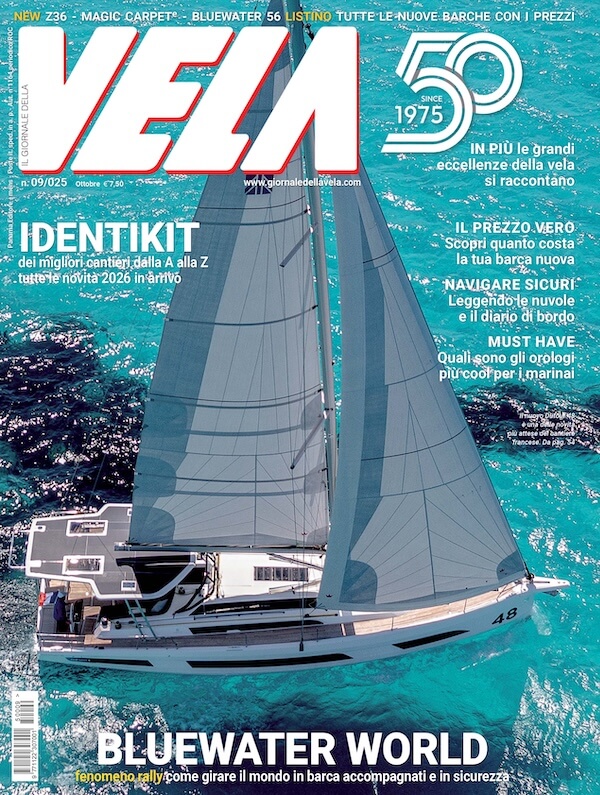
THE FULL REPORT WITH ALL PHOTOS IN THE MAY PRINT ISSUE OF THE
THE VELLA NEWSPAPER
Check out the latest issue

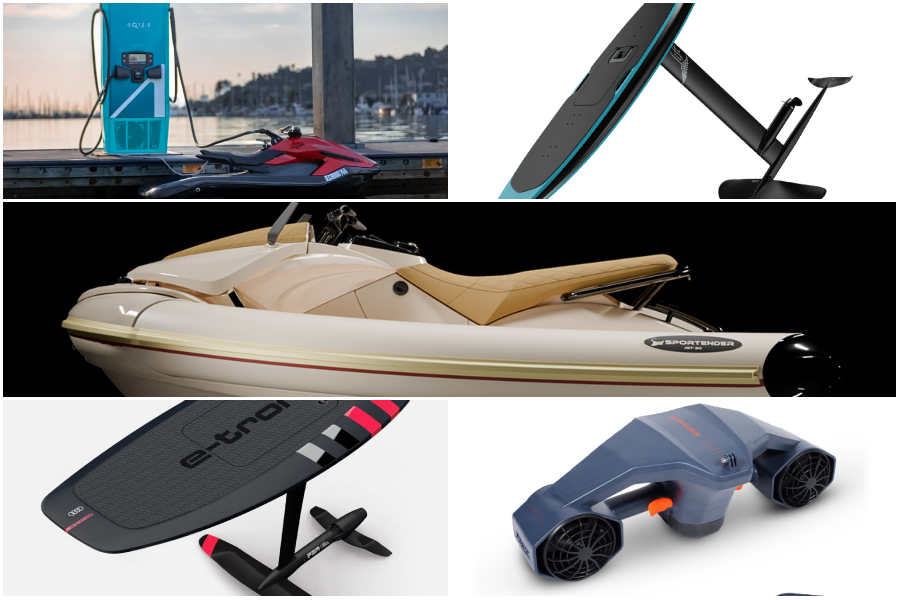
5 out-of-the-box ideas seen at the Genoa Boat Show for “sailing” without a boat
The Genoa Boat Show , for a few days, was transformed into a microcosm. A place where size does not matter (not only for boats) and where figures take on relative meaning. Those who live by the sea know

3 accessories to see if you visit the Genoa Boat Show
At the Genoa Boat Show, there is more than just the boat scene; on the contrary, the real surprises often come from the world of accessories, which are increasingly innovative and ready to transform the experience of those who go
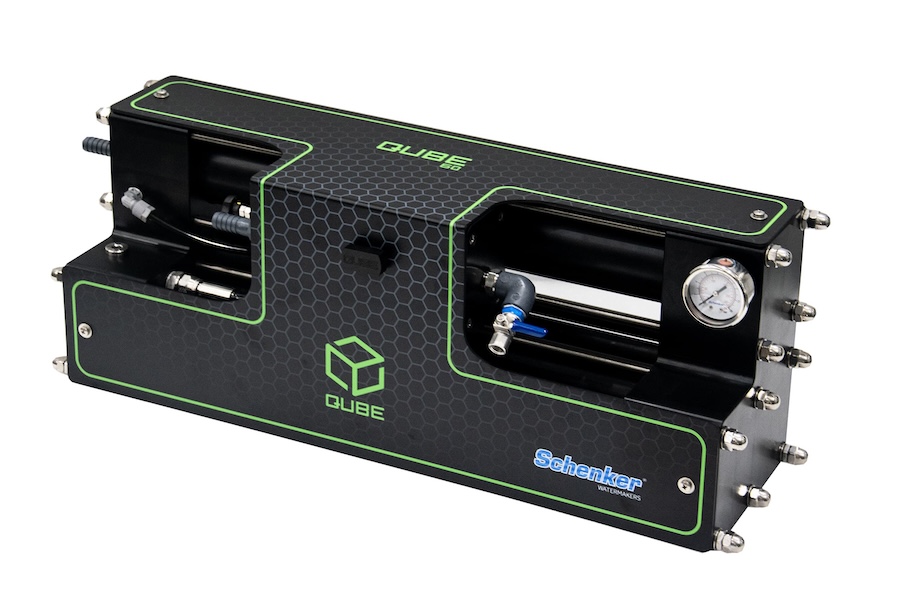
Schenker launches Qube, the new “cube” watermaker that fits every boat
Qube, the new proposal by Schenker Watermakers, arrives: a reverse osmosis watermaker designed to meet the needs of those looking for high performance and minimal footprint. After the great success of the Zen line, characterized by ultra-flat shapes and intelligent
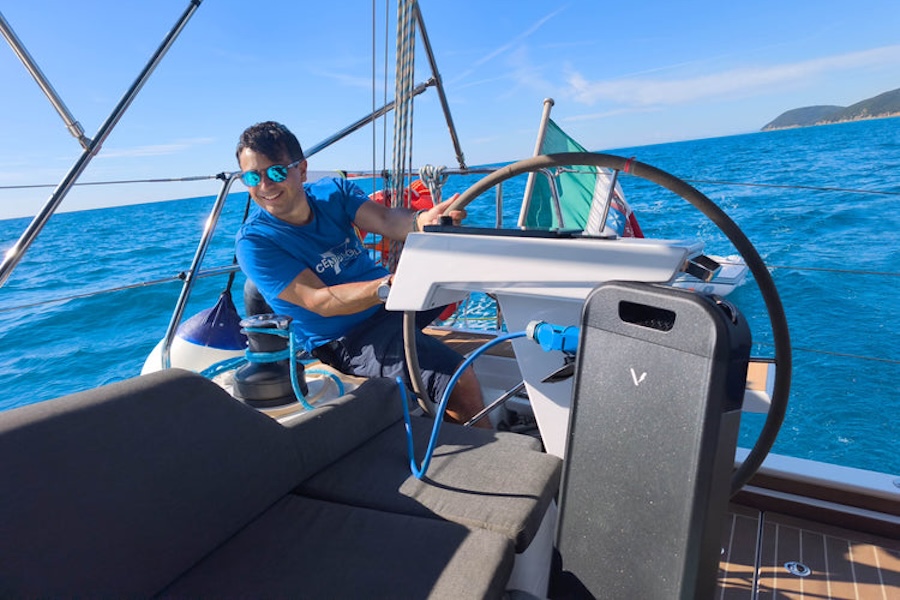
This boat generator is 100% electric and Italian. Here’s how it works
VOLTAB is the first 100% electric and 100% made in Italy portable generator that completely changes the energy management on board your boat. Made entirely in Italy with recycled materials and cutting-edge technological solutions, VOLTAB combines sustainability, efficiency and freedom

