
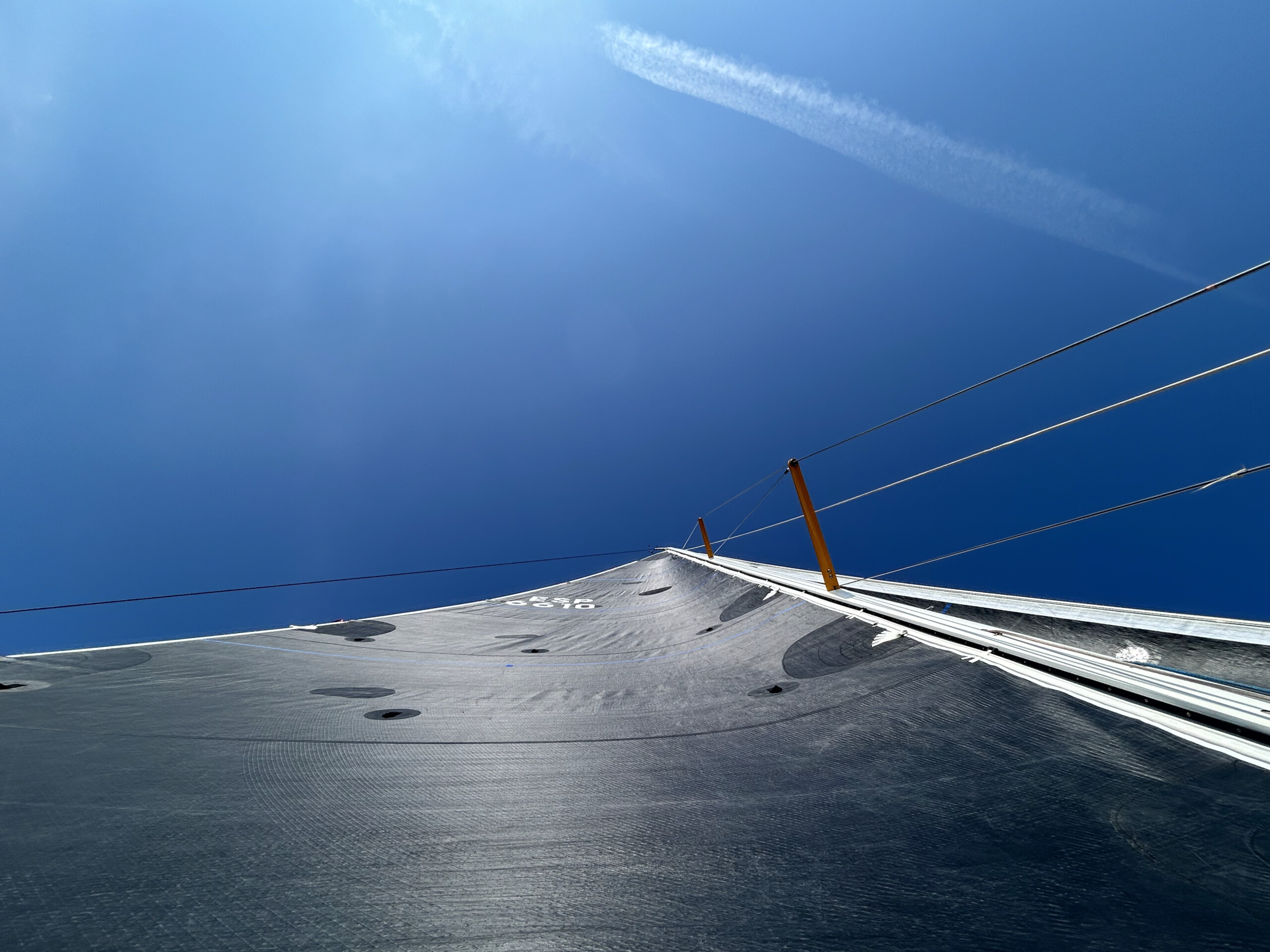
In the first installment devoted to mast adjustment we talked about the general concepts of how to manage the tensions of shrouds, verticals and diagonals, forestay and backstay, depending on wind conditions. To manage shroud tensions and mast deflection there is a faster and more effective method than manually working on the turnbuckles, the mast jack, a fast and very precise system for changing the trim of our mast.
The mast jack, what it is and how it works
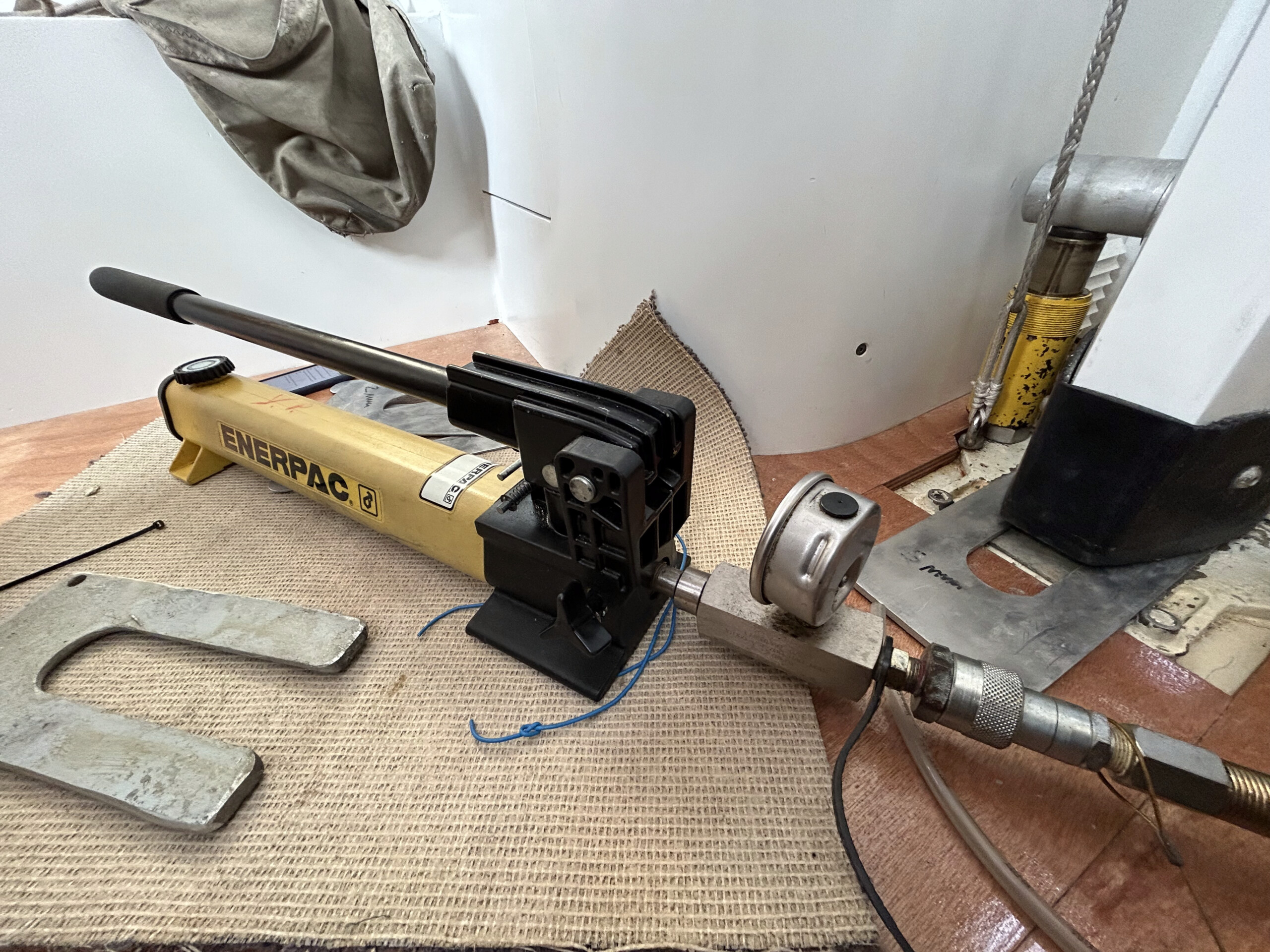
All the adjustments we have listed so far are done manually, working on the shroud turnbuckles. Then there is a more advanced tool, which is used mainly on racing boats equipped with carbon masts: the mast jack. This is a hydraulic pump , with one or two cylinders acting at the base of the shaft, in case the shaft is through. The shaft must be prepared at the base with a support, under which the mastjack cylinder will work.
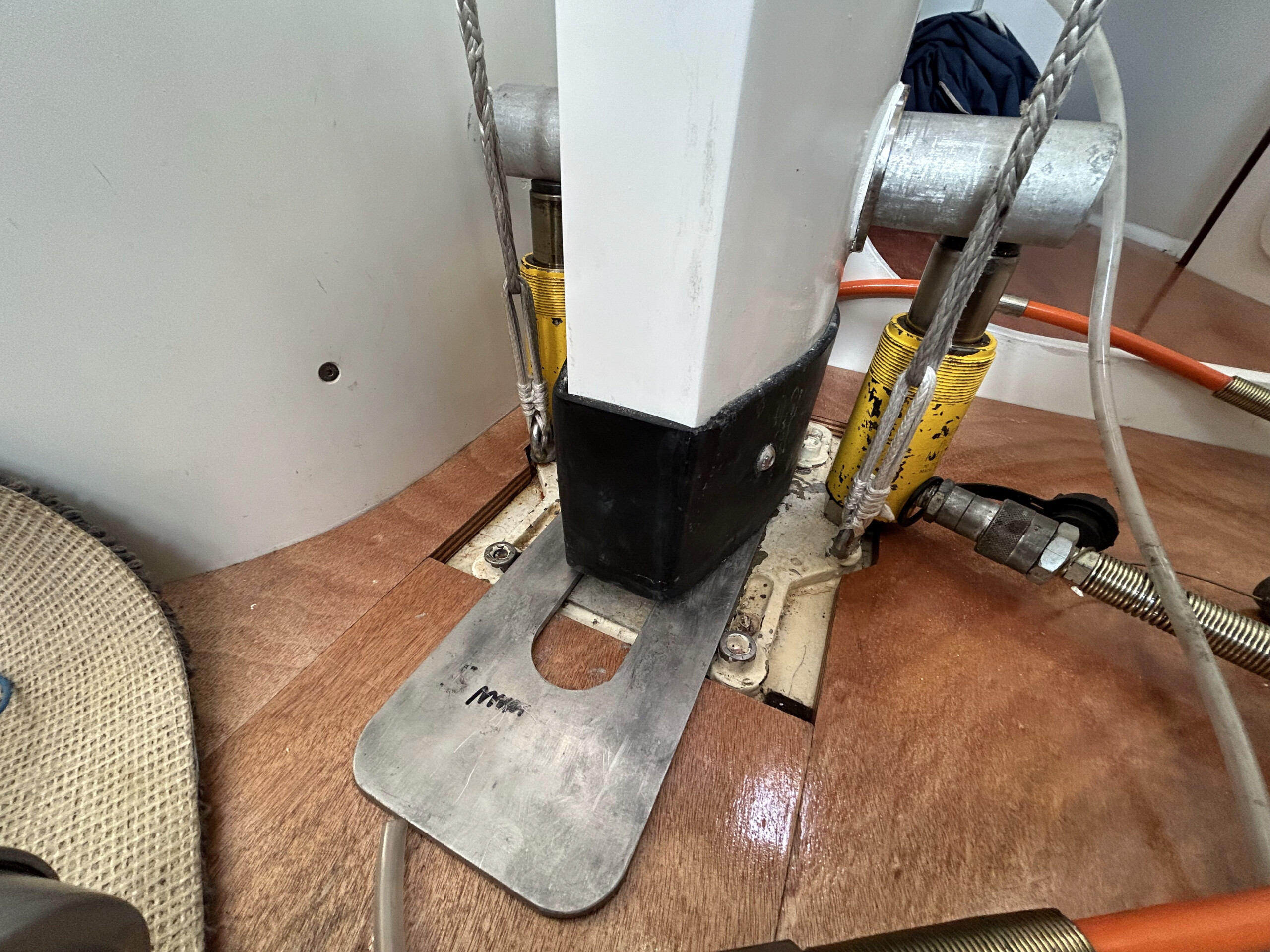
When we pump the mastjack, the shaft will be pushed up a few millimeters, even almost up to 20, rising. A space will then open up under the shaft, where we are going to place so-called wedges, small plates that will serve to maintain the pressure given to the shaft by the pump, and then allowing the mastjack to be unloaded.
As the mast rises, the tension on the shrouds on deck will also increase, so will its deflection. In fact, pumping the mastjack is equivalent to tensioning the shrouds through the turnbuckles.
How mast jack changes the shape of sails
Each wedge should be numbered with its thickness in millimeters. Normally, the excursion ranges from 5 to 17-18 mm (obtainable with a variable number of wedges), through wedges of various sizes. In this way the adjustment of the mast, without having to work on the turnbuckles, will be much faster. The thinner the wedge under the mast, the less tension we will have on the shrouds, and vice versa. Then the rules listed above always apply: starting in a light wind we should see the downwind shrouds slightly becalmed even when we use the pump.
The mast will first have to be centered, and tension will be applied to the turnbuckles so that, with the thinner wedge, the diagonals will be becalmed both upwind and downwind with the boat stopped without sails. Consequently, going up with tension will increase the load on the shrouds.
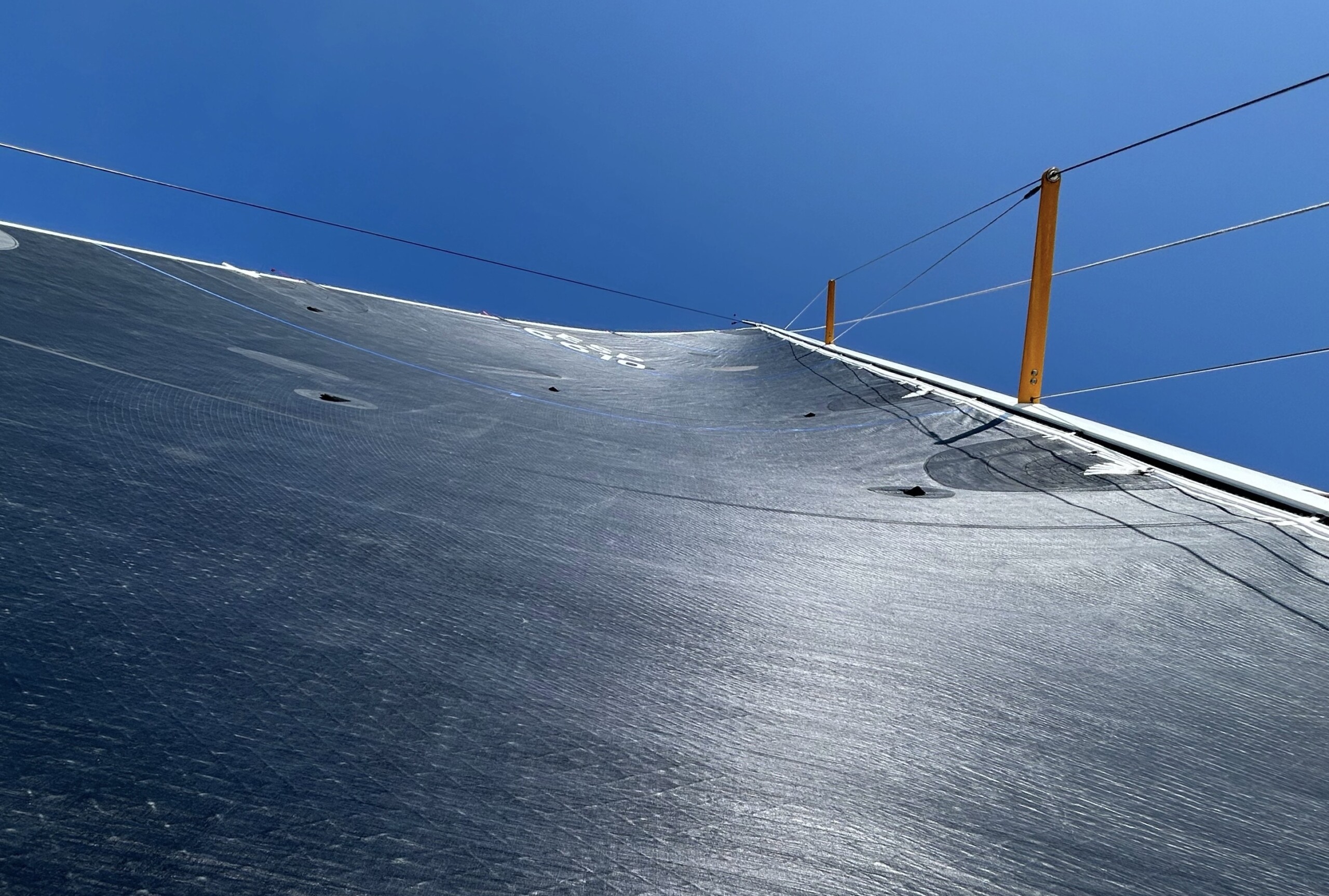
The mast jack should be used in a conscious way, and here again it will be useful to consult a professional who will guide us in the tables of wedge adjustments to be inserted. It is also very important to consult the shaft manufacturer to know the maximum stresses to which the shaft can be subjected, and to know well the pump we are using to have benchmarks on it as well.
All mast jacks have a sensor to monitor the load applied to the mast when we pump and insert the wedges, measured in bars. For a boat between 37 and 40 feet, roughly speaking, the load ranges from a minimum of 120-130 bar, to a maximum of about 300 or slightly more. Maximum loads obviously vary depending on the size of the boat and sail plan, for similar boats they can vary in both mast type (harder or softer), sail plan, and the type of mastjack we work with.
Edited by Mauro Giuffrè
Check out the latest issue

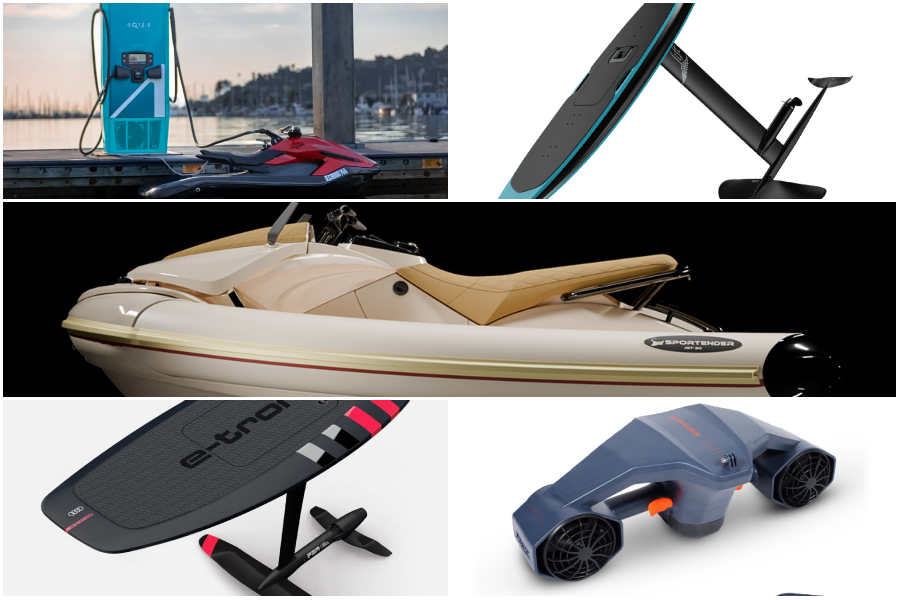
5 out-of-the-box ideas seen at the Genoa Boat Show for “sailing” without a boat
The Genoa Boat Show , for a few days, was transformed into a microcosm. A place where size does not matter (not only for boats) and where figures take on relative meaning. Those who live by the sea know
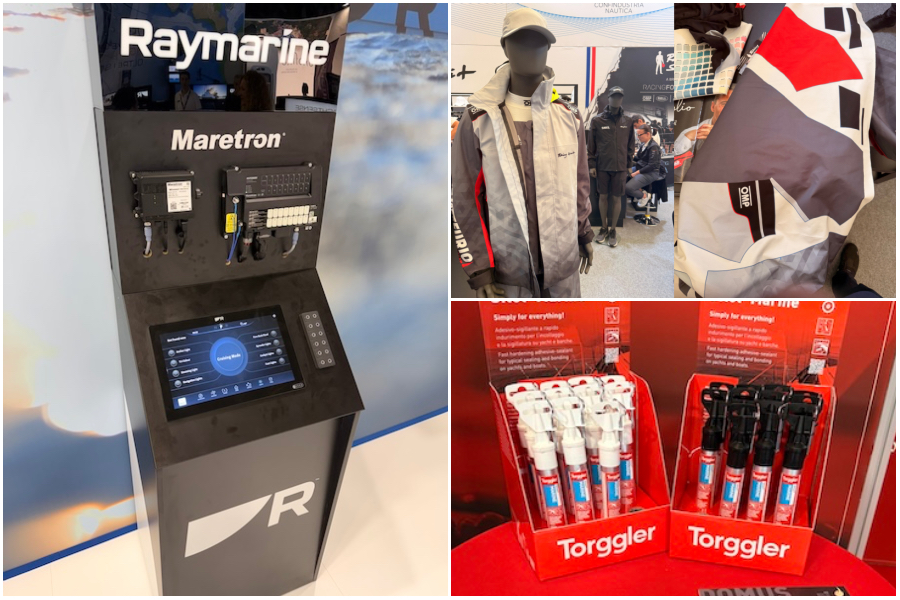
3 accessories to see if you visit the Genoa Boat Show
At the Genoa Boat Show, there is more than just the boat scene; on the contrary, the real surprises often come from the world of accessories, which are increasingly innovative and ready to transform the experience of those who go
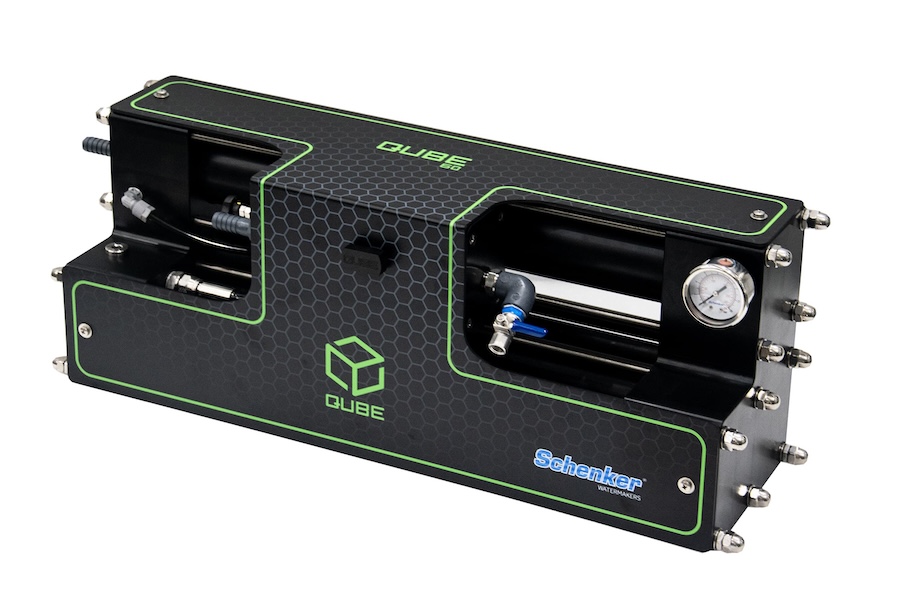
Schenker launches Qube, the new “cube” watermaker that fits every boat
Qube, the new proposal by Schenker Watermakers, arrives: a reverse osmosis watermaker designed to meet the needs of those looking for high performance and minimal footprint. After the great success of the Zen line, characterized by ultra-flat shapes and intelligent
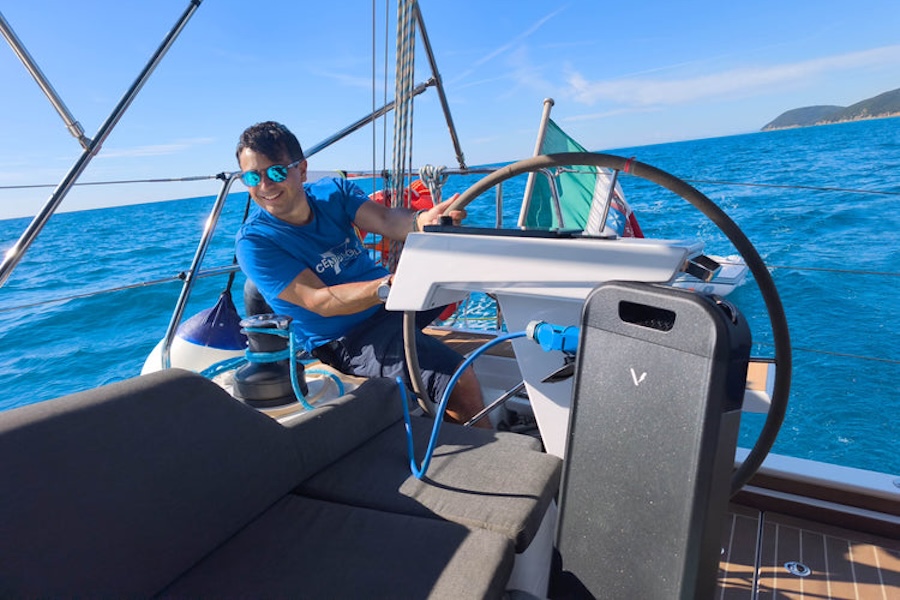
This boat generator is 100% electric and Italian. Here’s how it works
VOLTAB is the first 100% electric and 100% made in Italy portable generator that completely changes the energy management on board your boat. Made entirely in Italy with recycled materials and cutting-edge technological solutions, VOLTAB combines sustainability, efficiency and freedom

