
Welcome to the special section “GdV 5th Years.” We are introducing you, day by day, An article from the archives of the Journal of Sailing, starting in 1975. A word of advice, get in the habit of starting your day with the most exciting sailing stories-it will be like being on a boat even if you are ashore.
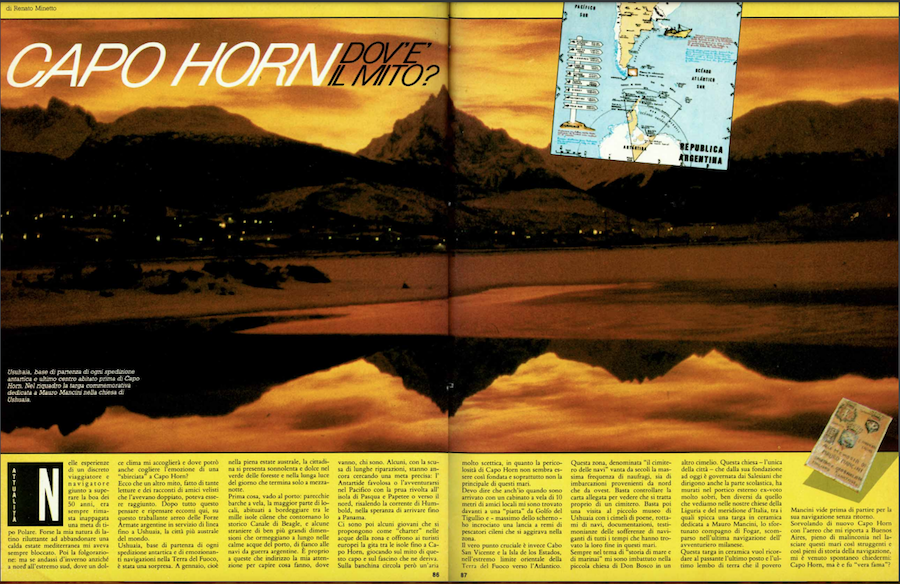
Cape Horn. Where is the myth?
Taken from the 1985 Journal of Sailing, Year 10, No. 03, April, pp. 86-87.
The Sailing Journal goes to Patagonia and discovers that Cape Horn is also a placid inlet. A voyage to mythical seas at the edge of the world, still valid today as a guide to visitation. For example, we go to the famous ship cemetery in Ushuaia where a plaque is dedicated to Mauro Mancini.

In the experiences of a discreet traveler and navigator who had reached the 50-year mark, a Polar-type destination had always remained unfulfilled. Perhaps my nature as a Latino reluctant to leave a hot Mediterranean summer had always blocked me. Then the thunderbolt: but what if I went in winter instead of north to the far south, where a gentle climate would welcome me and where I could also catch the thrill of a “peek” at Cape Horn? Here was another myth, made up of much reading and the tales of sailing friends who had rounded it, could be achieved. After all this thinking and rethinking here I was, on this rickety Argentine Armed Forces plane on scheduled service to Ushuaia, the southernmost city in the world. Ushuaia, home base for every Antarctic expedition and exciting sailings in Tierra del Fuego, was a surprise. In January, that is, in the middle of the austral summer, the town looks sleepy and gentle in the green forests and the long daylight that ends only at midnight. First, I go to the harbor: several sailboats, most of them locals, accustomed to edging among the thousands of Chilean islands that surround the historic Beagle Channel, and a few foreign ones of much larger size that moor for a long time in the calm waters of the harbor, alongside Argentine warships. It is to these that I direct my attention to find out what they do, where they go, who they are. Some, under the guise of long repairs, are still searching for a specific destination: fabledAntarctica or venturing into the Pacific with their bows aimed at Easter Island and Papetee or northward up the Humbold Current, hoping to make it to Panama.
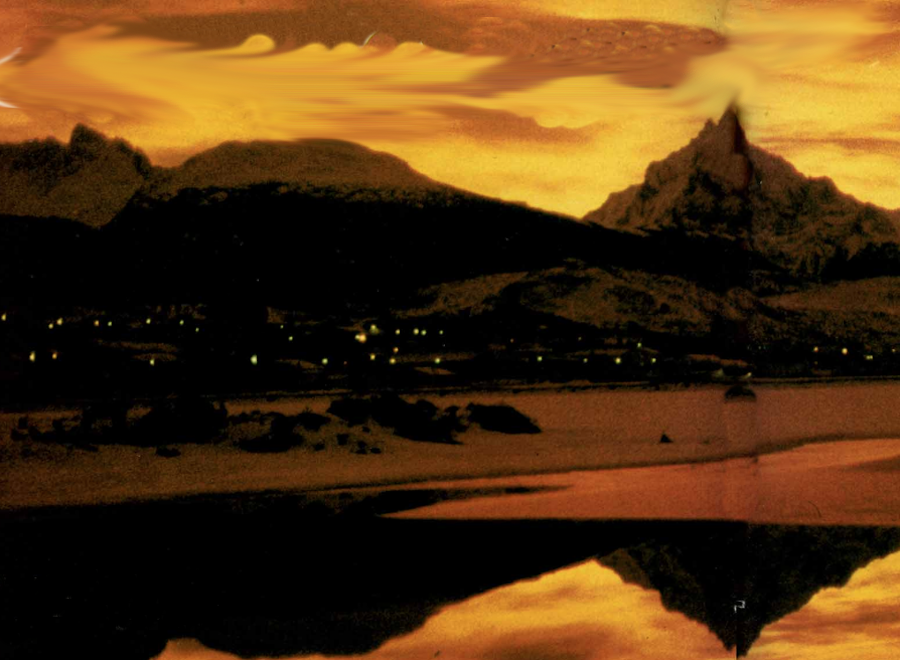
Then there are some young people who offer themselves as “charters” in the waters of the area and offer European tourists the inter-island trip to Cape Horn, playing on the myth of this cape and the fascination with it. However, a very skeptical air circulates on the dock, as the danger of Cape Horn does not seem to be so well-founded and especially not the main one in these seas. I have to say that even I, when I arrived in a 10-meter sailing cabin cruiser of local friends, was confronted with a Gulf of Tigullio“flat,” and, maximum mockery, I passed a rowboat of Chilean fishermen roaming the area. The real crux, however, is Cabo San Vicente and the Isla de los Estados, in the extreme eastern edge of Tierra del Fuego toward the Atlantic. This area, referred to as “the graveyard of ships,” has for centuries boasted the highest frequency of shipwrecks, both of vessels from the north and from the west. One only has to check the attached map to see that this is indeed a cemetery. Then all it takes is a visit to the small museum in Ushuaia with poene relics, ship wreckage, documentation, and evidence of the sufferings of sailors of all times who have found their end in these seas. Still in the theme of “sea and sailor history,” I came across the small Don Bosco church in another relic. This church, the only one in the town, which from its founding to the present day is governed by the Salesians who also run the school part, has walled in the outside porch very sober ex-votos, quite different from what we see in our churches in Liguria and southern Italy, among which stands out a ceramic plaque dedicated to Mauro Mancini, Fogar‘s unfortunate companion who died on the last sail of the ‘Milanese adventurer. This ceramic plaque is meant to remind the passerby of the last place and the last patch of land that poor Mancini saw before leaving for his navigation with no return. Flying over Cape Horn again on the plane back to Buenos Aires, full of melancholy at leaving these seas so poignant and so full of the history of navigation, it occurred to me to ask myself , “Cape Horn, but is and was it ‘real fame’?”
by Renato Minetto
Check out the latest issue

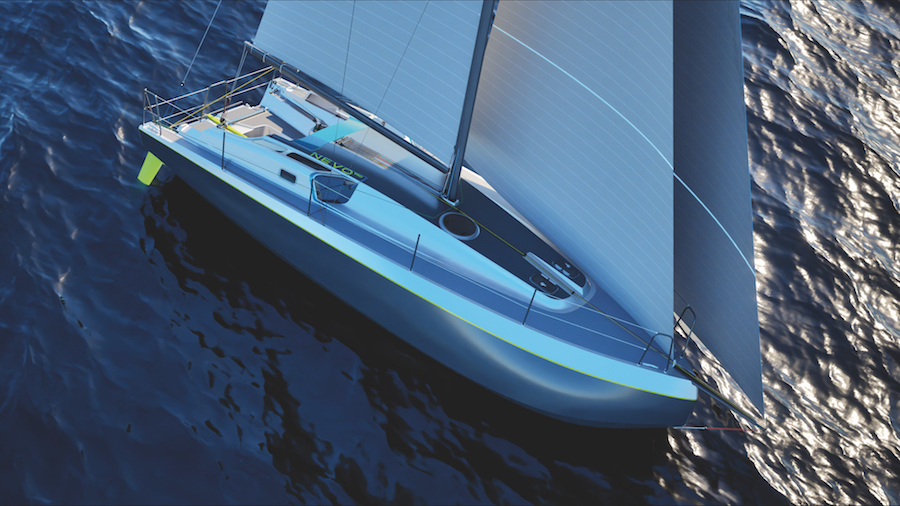
Michele Molino, nautical engineer with the sea in his vein
On the occasion of the 50th anniversary of the Journal of Sailing, the great excellences of the sailing world tell their stories and reveal their projects. In this column, discover all the companies and people who have made important contributions
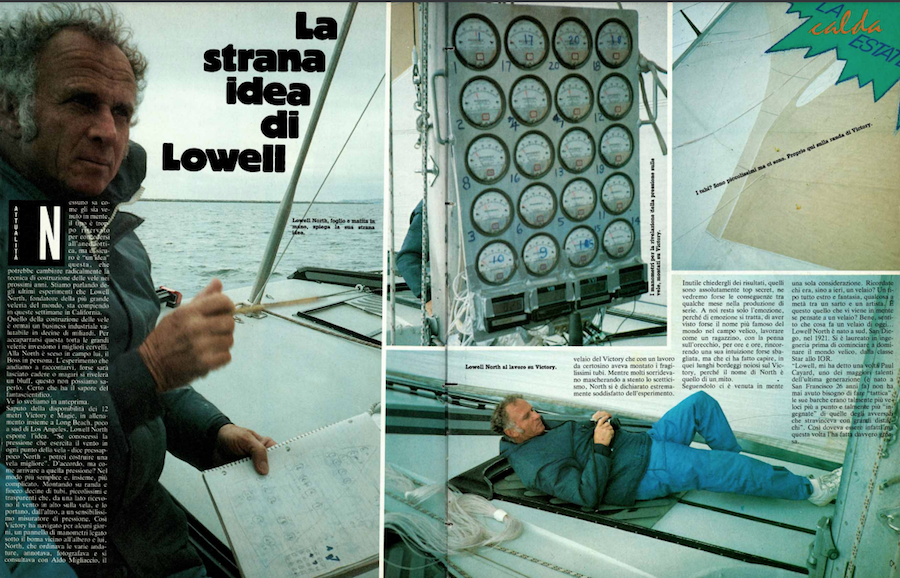
1985. The sails of the future are being born. The GdV is in, with Lowell North
Welcome to the special section “GdV 5th Years.” We are introducing you, day by day, An article from the archives of the Journal of Sailing, starting in 1975. A word of advice, get in the habit of starting your day
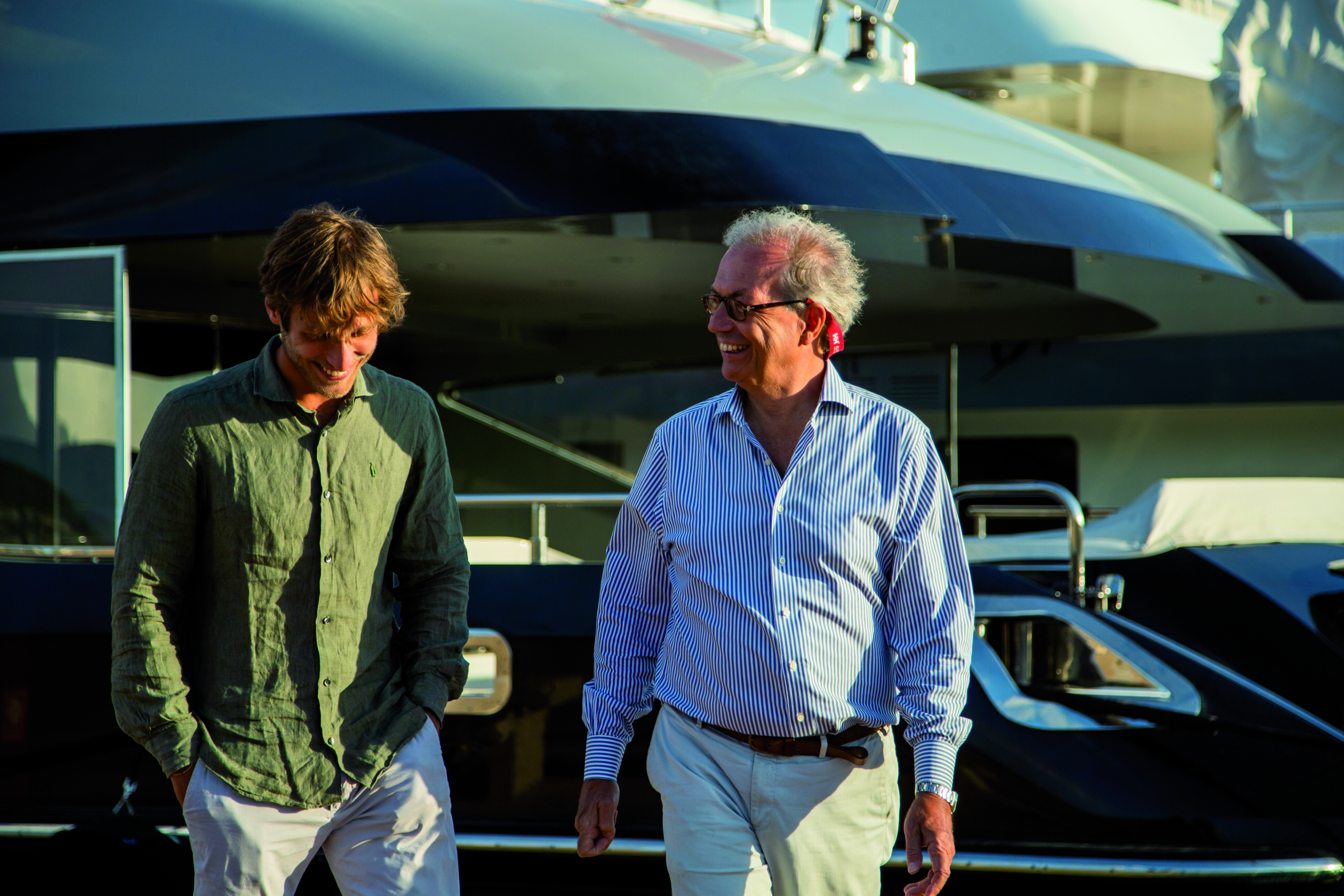
Marinedi, the integrated hospitality system
On the occasion of the 50th anniversary of the Journal of Sailing, the great excellences of the sailing world tell their stories and reveal their projects. In this column, discover all the companies and people who have made important contributions
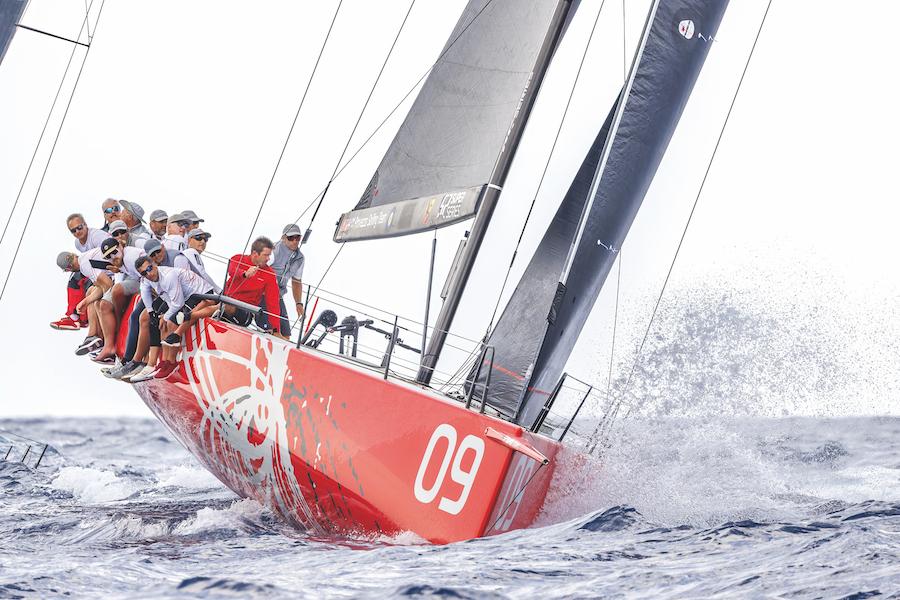
Naval revolution goes through Judel/Vrolijk study
On the occasion of the 50th anniversary of the Journal of Sailing, the great excellences of the sailing world tell their stories and reveal their projects. In this column, discover all the companies and people who have made important contributions

