
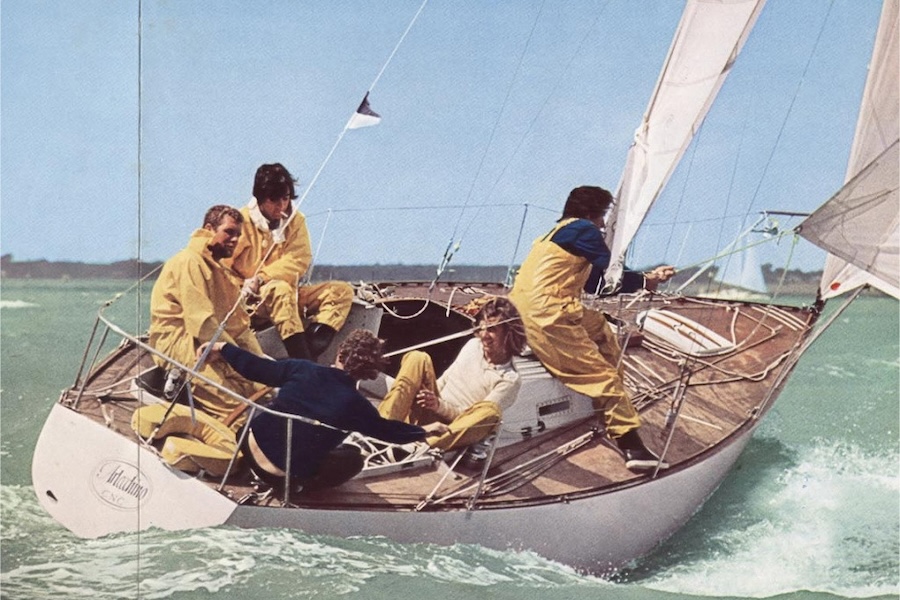
The Classic Boat Club is increasingly alive, and boats registered in the Official Register of Classic Boats of Historical Value are growing in number…
Designed to be a searchable archive, the Official Register now becomes, however, also a place of memory, telling, with its hundreds of registered boats, the story of sailing. Here, then, is the story of the Golden Age of Sailing, seen through the lens of your boats. In this first part, focusing on production hulls, here is a cross-section of what was designed and built from 1967 to 1977…
Boats in the Classic Boat Club, or the History of Sailing that Survives Today (PT.1; 1967-1977)
For those who have yet to find out, the Classic Boat Club is the new community reserved for fans of historic sailboats, namely Classic Boats, hulls built since 1967 and at least 25 years old. Within this, in addition to the archive of the Classic Historic Boats (and to so many benefits), also comes to life is the Official Register of Classic Boats of Historical Value, a portal dedicated to certifying the historical and collectible relevance of individual hulls, emphasizing, in both practical and cultural terms, their new value. Dedicated to the enhancement of your hulls, this registry is, in fact, not only dedicated to the certification of beautiful boats of the last century, but also aims to be a place of sharing and celebration. That is why, the Classic Boats registered, are visible to all members, creating an online space to share, even more than before, the passion for sailing.
The late 1960s
Let’s start with the basics. The late 1960s was an unrepeatable period, a pivotal phase in the history of yachting. With the economic recovery following World War II, the yachting world experienced a radical, perhaps unique transformation. Nearly gone, the large elite yachts were joined by the increasing emergence of smaller, higher-performance boats that could be managed by smaller crews. Sailing, all of a sudden, took on a less elitist conception, opened up to the middle class, and launched into a great season of racing and technological innovation.
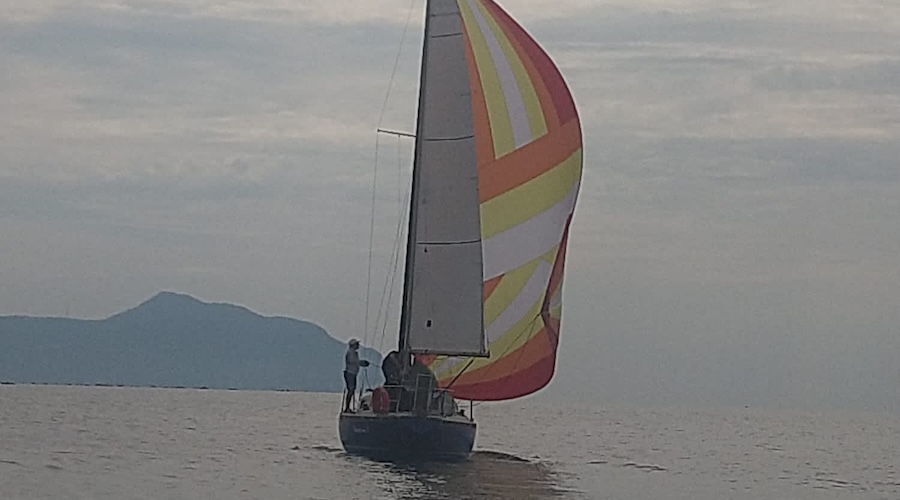
In this context, the canon shifts, witnessing a beginning of change on the front of design philosophies, which increasingly begin to look beyond the classical canon. The turning points are two: the resounding victory of the small Rabbit by Dick Carter at the 1965 Fastnet Race, and the beginning of large-scale industrial production, represented by theHarpège by Michel Dufour, produced in 1,500 examples starting in ’67. And it is precisely from the small Harpège (9.14 m) we start with our archive, finding as many as two specimens: Vilmy, from 1971, and Dauphins 2, from 1975; two pearls, two fundamental milestones, still testaments to an ‘epochal’ turning point.
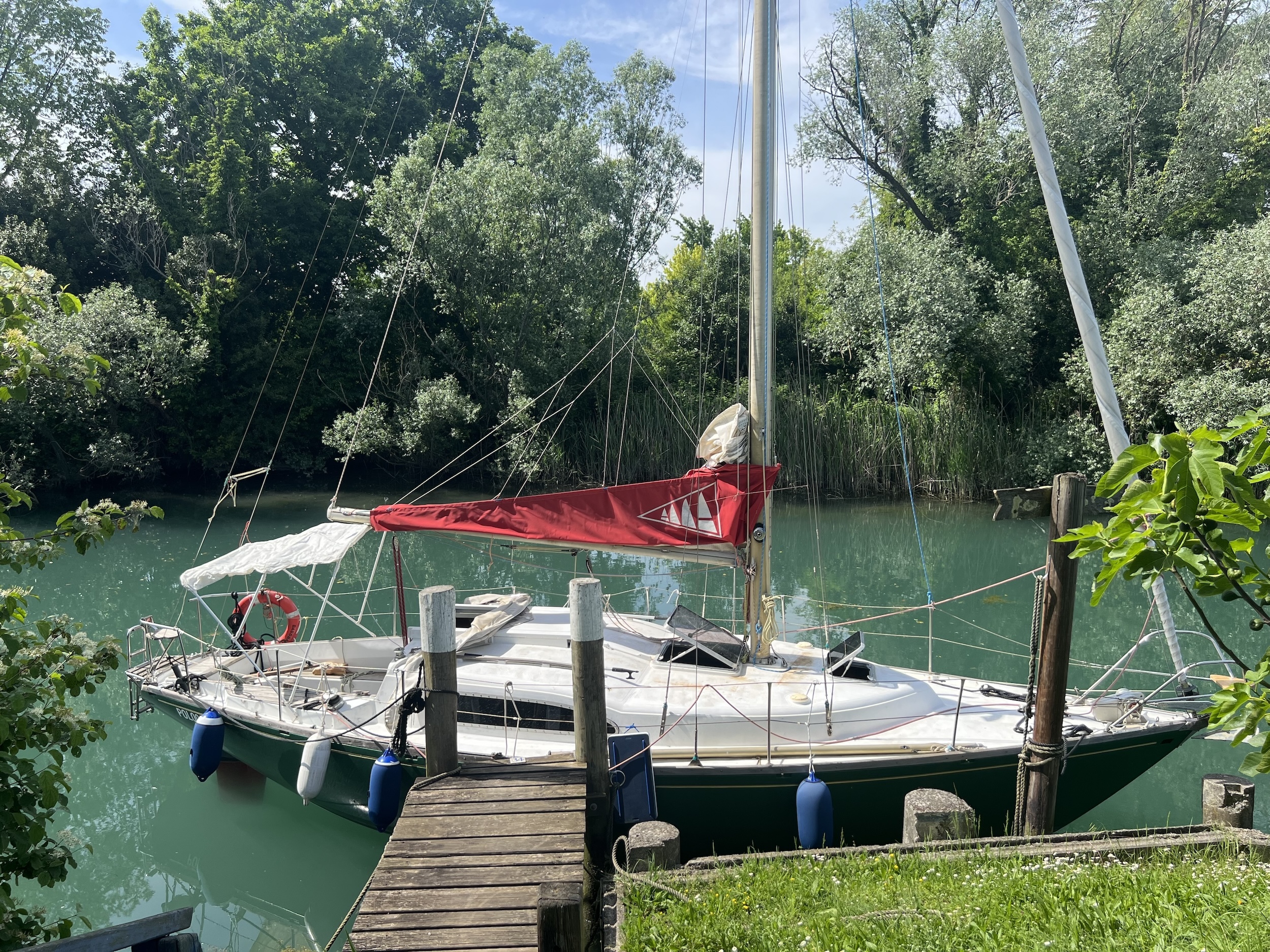
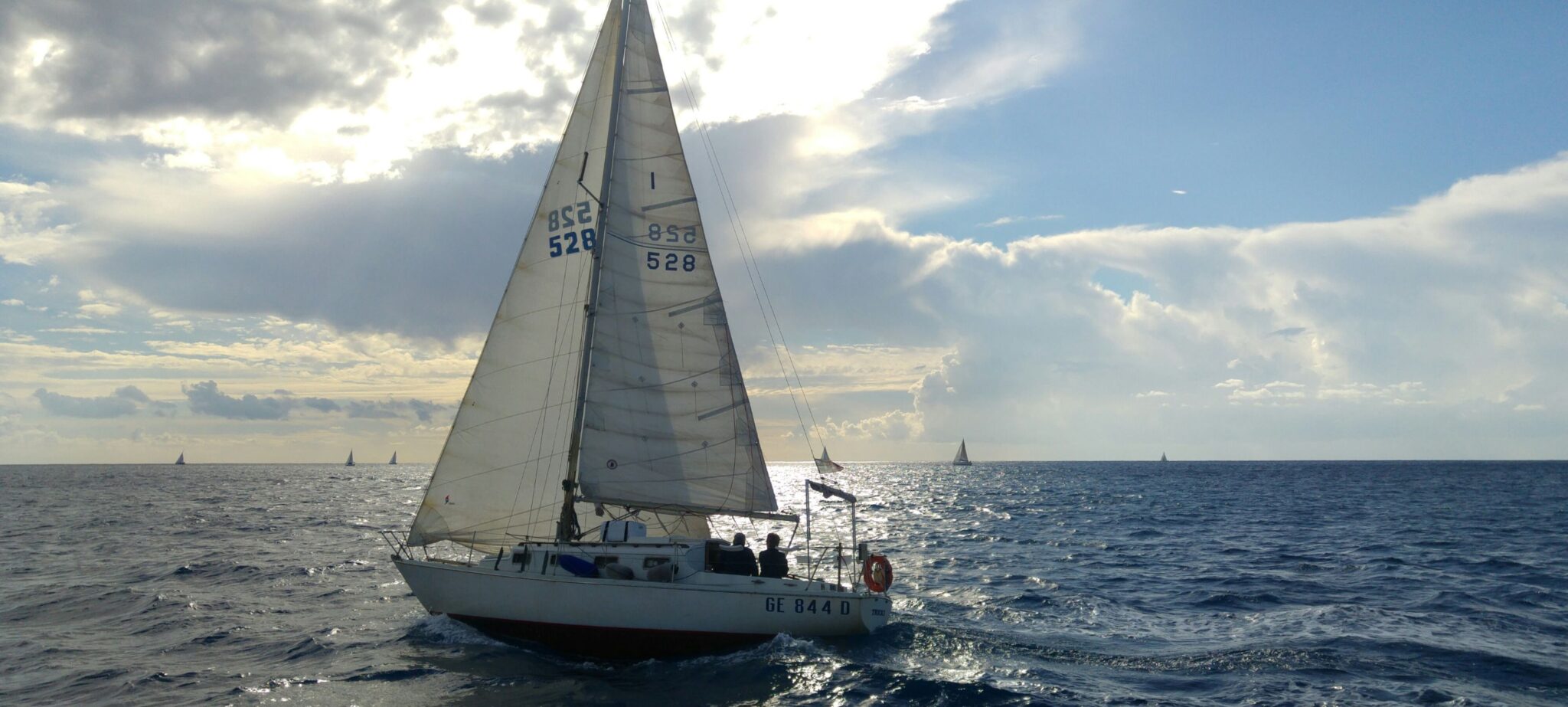
New innovations, however, do not imply a disappearance of previous styles, and on this front, it is a treat signed by Sparkman & Stephens that proves it: it is the Freya (13.3 m), built by Benello starting in 1968. Taotaj, in this sense, is the witness present in the Register, a splendid 1976 specimen. In such a fervent period, however, it was no longer only the large 40-footers that attracted owners, and the serial shipbuilding front also opened up to smaller hulls, now crafts. Providing evidence of this, witness 1969, two niche but in their time popular designs, the BC4 (9.3 m) by Bianchi and Cecchi, then the Italian answer to the Arpège, and the Kelt 8 (8 m), by Kelt Marine, respectively featured in the register as the Tricky (1969) e Be Happy (1979).
The early 1970s
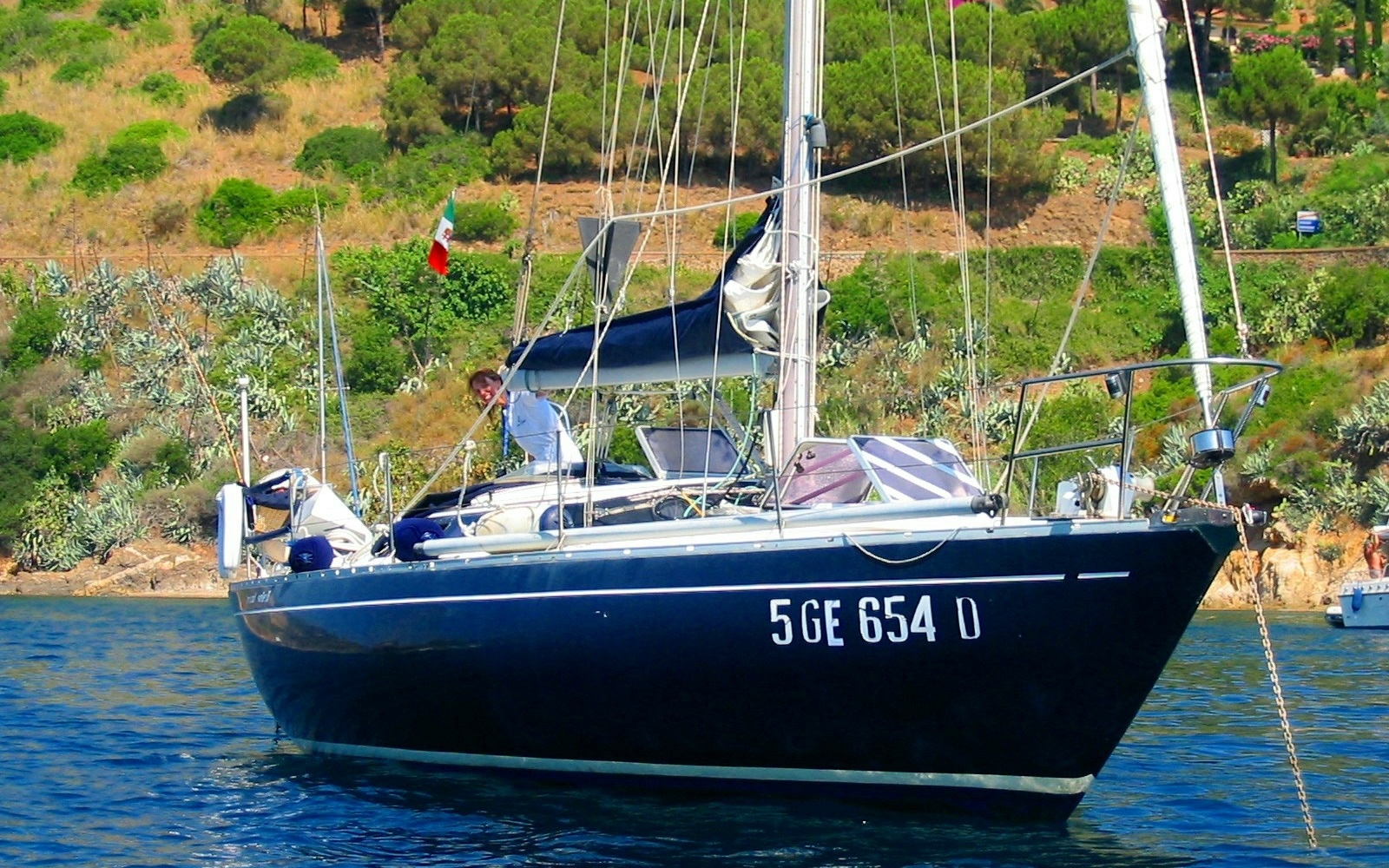
With the 1970s, the lessons and experiments of the previous period come fully into design, launching some of the most important shipyards and designers of the second half of the century. Sailing becomes increasingly popular, more and more open to amateurism as well, and shipbuilding explodes. In this context, Finot signs one of the first major Italian responses on the 9-meter front: it is the small Comet 910 (9.1 m), cult of the Comar shipyard, represented here head-on by Pickwick, an example from 1977. Not even a year later came two more little jewels of our shipbuilding industry. The first, it still bears Finot’s signature, and will prove to be another icon, milestone for the reality that goes with it. It is, of course, the Grand Soleil 34 (10.18 m), Cantiere del Pardo’s first hull, present at Registro in the guise of Mon Chichi, specimen from 1976.
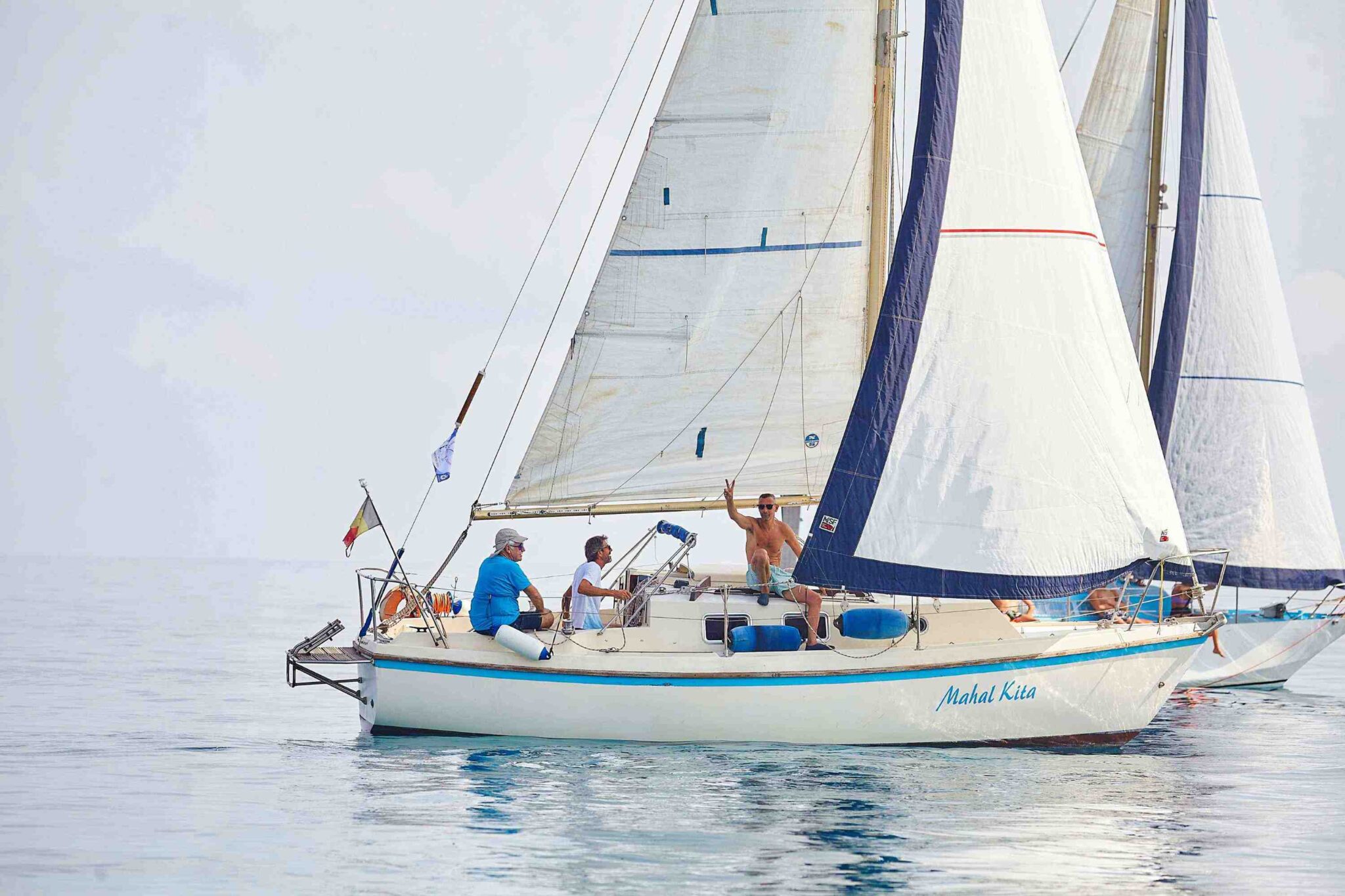
Keeping company with the GS34, 1972 Italy also saw the birth of another great icon, this time produced by Sartini, signed by Sciomachen: it is theHarlequin (7.4 m), of which The Don Quixote (9174) is excelling as spokesman. Still on the ‘small’ front, it is France that competes with the Bel Paese here, specifically, with the Dufour 27 (8.28 m), also ’72, also known as the ‘Safari’, another excellent little creature of Michel Dufour, present here with a ’74 specimen, Vendavales. They are followed on the ‘compact’ front by Westerly’s lesser-known attempt, the Tiger (7.6 m), visible here as Mahal Kita, from 1974, and theEvasion 32 (9.7 m) by Beneteau, whose Beautiful Lady (1980) to be a spokesman. Instead, it raises the bar on the feet of the Valiant 40 (12.2 m) Talìa, this one from 1980, but based on a 1973 design.
Toward the end of the decade
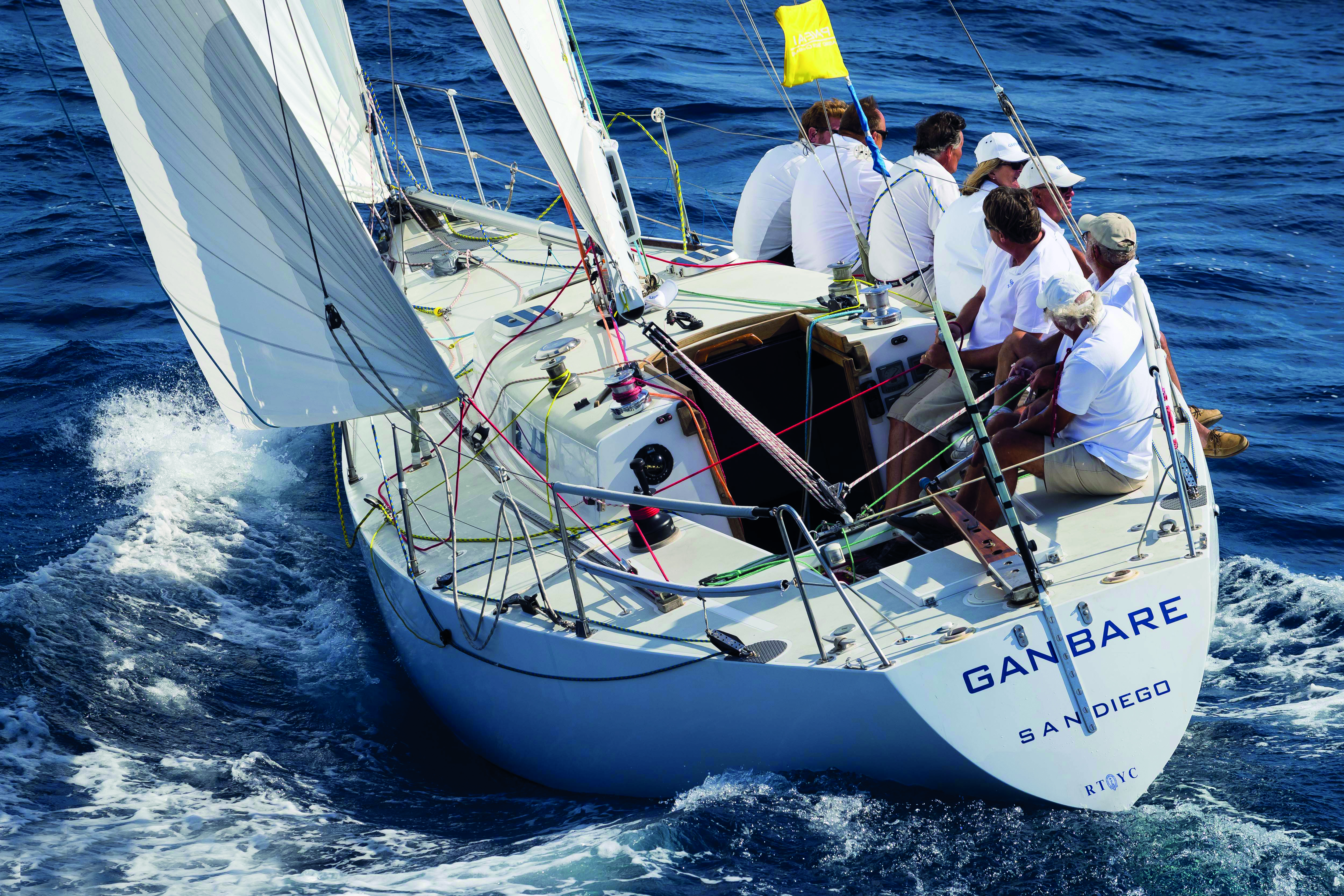
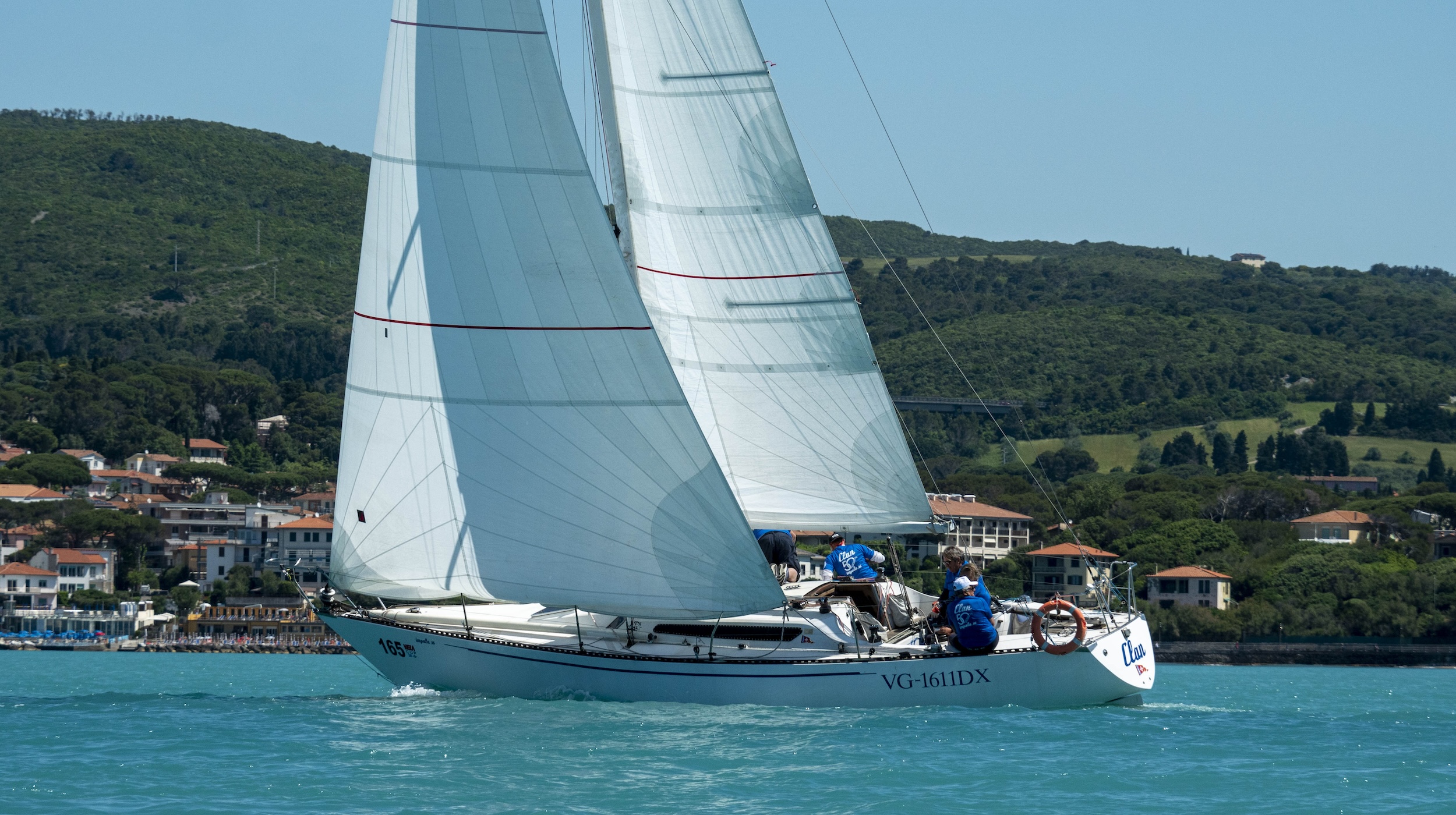
If the late 1960s and early 1970s were a potpourri of innovation and technological evolutions, with 1973 the scene is definitely swept by the “new generation,” designs fully aware of the new canons and in search of even better solutions. Thus an unparalleled sailing season is inaugurated. At the 1973 One Ton Cup, in fact, the incredible performances of Ydra and Ganbare -respectively signed by Carter and Peterson- fully demonstrate the power of the new concepts, removing any doubts or reservations. Indeed, the solutions, conforming to the developments imported by the International Offshore Rule, give light to increasingly high-performance hulls, finally free from the dogmas of tradition. Solutions that also survive in the series, where excellent hulls such as theImpala 36 (10.9 m) and the Show 34 (10.2 m) never cease to demonstrate. The first, in no small part, is in fact the series translation of the Ganbare, while the second, is again signed by Peterson, specifically to bring those innovations of his into the world of large-scale production as well, adapting them ad Hoc. Excellent representatives, in this case, are Clan (Impala 36, 1974) and Marila II (Show 34, 1978), also viewable at the Register.
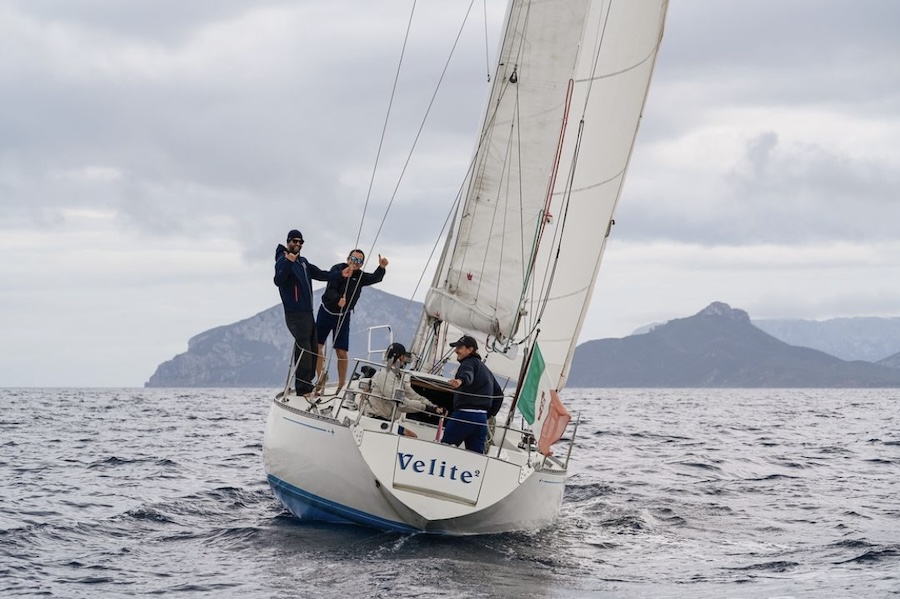
This first half of the 1970s, as GS34 already testified to us, is also the context in which so many of the great shipyards come to life. Among them is Baltic (’73), which in 1975, just after its first hull, gives birth to a second boat, a gem as well as the smallest ever launched by them. It is the Baltic 33 (10.06 m), excellent design, as witnessed well by us Vèlite 2, the second hull in the series (1975). At the same time, however, tradition still endures in the Scandinavian world, with Olle Enderlein still at the pen behind Hallberg Rassy, although by then close to Frers taking over. It is against this backdrop that, in 1975, one of the yard’s great cult designs was born, the Hallberg Rassy 41 (12.5 m), of which Gulliver (1978) is an excellent representative.
It would be 1976, however, that would see the Italian gem of the period, a hull that became a cult, a springboard for one of the greatest architects of the following decade: it is, of course, the Ziggurat 916 (9.16 m), which enters the series after the resounding debut of the Half Tonner Ziggurat, then the debut hull of a very young Vallicelli. Produced in exorbitant quantities, the 916 also has its record testimony, with no less than two hulls, both from 1979: Candida e Blue Cloud, two Golden Age goodies.
They are joined, however, by another flood of hulls, witnessing a period of extreme ferment. Here, then, are also the Dufour 29 (8.9 m), Troll III (1977), the Caipirinha by Gilardoni, Ariadne (1980) and theIrwin 52 (15.8 m), the great American bluewater, represented here by Sin Sations (1985). And so it will be equally for 1977, represented in the register by theAlpa A34 (10.11 m) Display (1978), from the Bloodhound (8.5 m) (Blue Dangi, 1980), and by the outstanding Swan 57 (17.5) by Sparkman & Stephens, even more striking, perhaps, because of its witness: Matchless, the fu Battlecry, hull witness to the 1979 Fastnet…
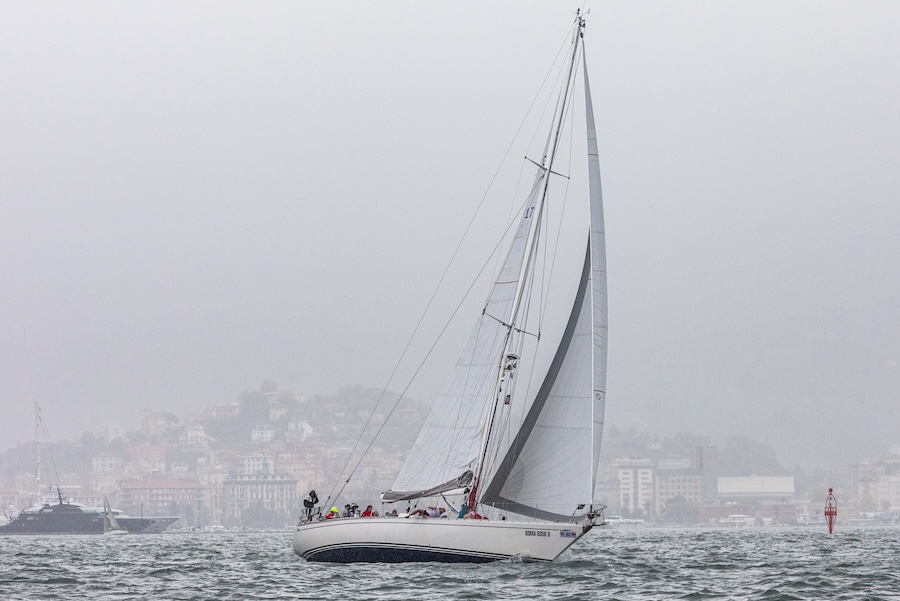
– In part 2, the serial hulls from 1981 to 2000
Vuoi vendere la tua barca? Il Classic Boat Club può fare al caso tuo
Check out the latest issue

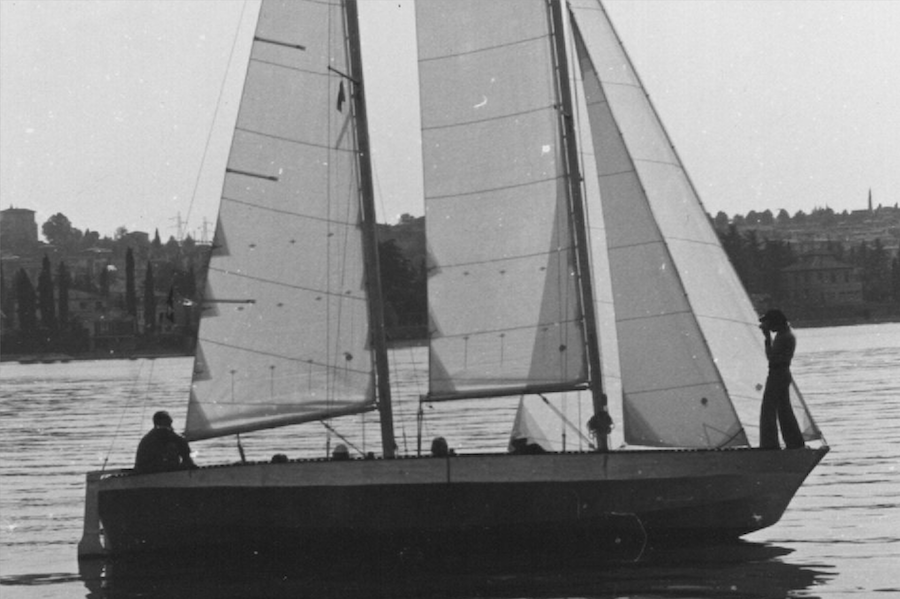
Old boat makes good board! The legendary Fraglia schooner has been “re-launched” after 50 years.
Desenzano, Lake Garda, home of the FVD, Fraglia Vela Desenzano. A Lake classic replicates its launch 50 years after the first time. It is the Fraglia schooner, a light alloy school schooner, the first in Italy to ever be built
VIDEO – Ubi Maior Italia, when a new company is born from a bit of madness
A boat ride in 45 knots and a pinch of madness: these are the ingredients of a story that speaks 100 percent the language of Made in Italy. A story that starts from the heart of Tuscany and has reached
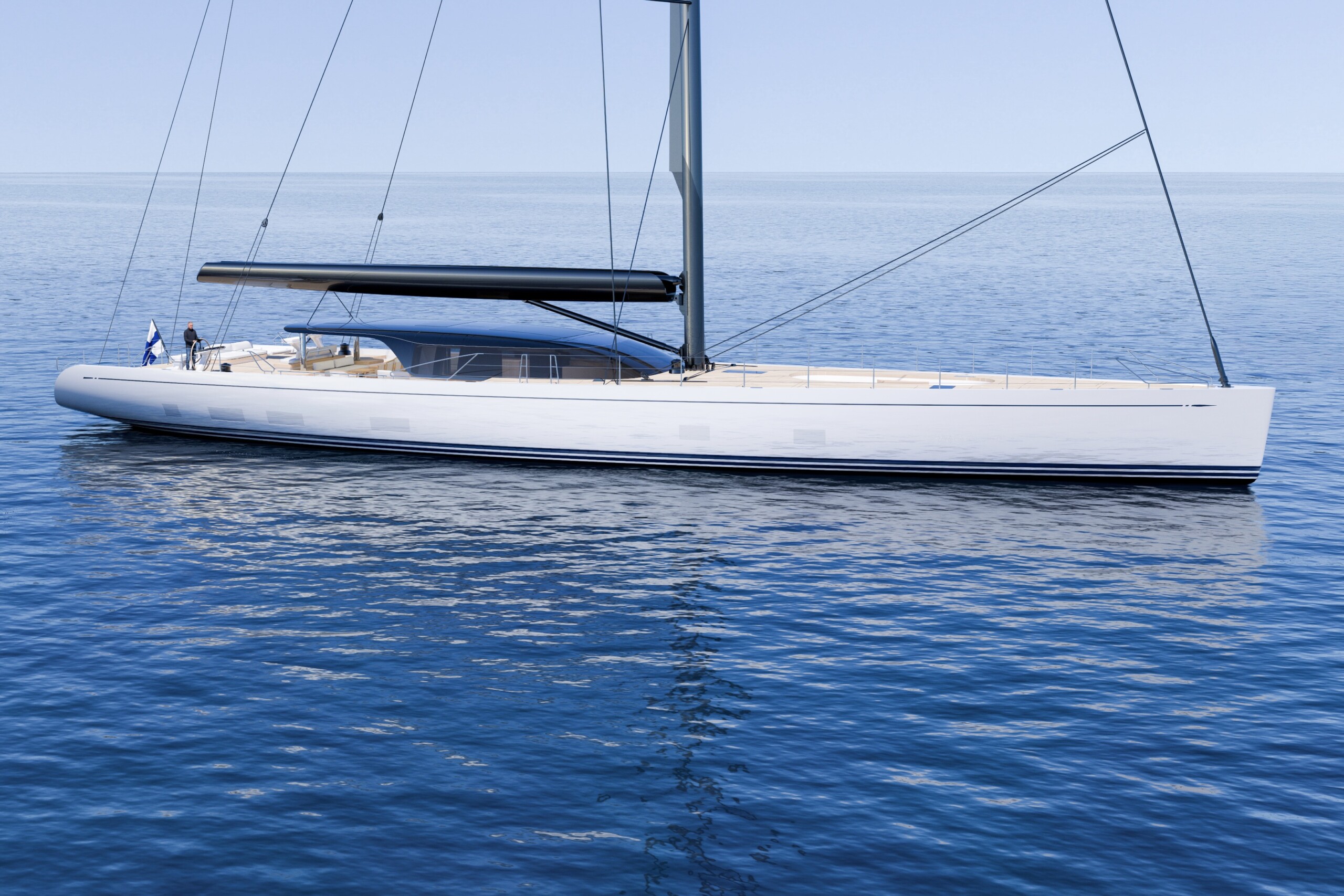
Swan Alloy 44: the new 44-meter aluminum supermaxi
Nautor Swan has unveiled the new Swan Alloy 44, a 44-meter aluminum sailing supermaxi. The first example is scheduled for delivery in summer 2028, with the hull built in the Netherlands and completion in Viareggio. The first owner will be
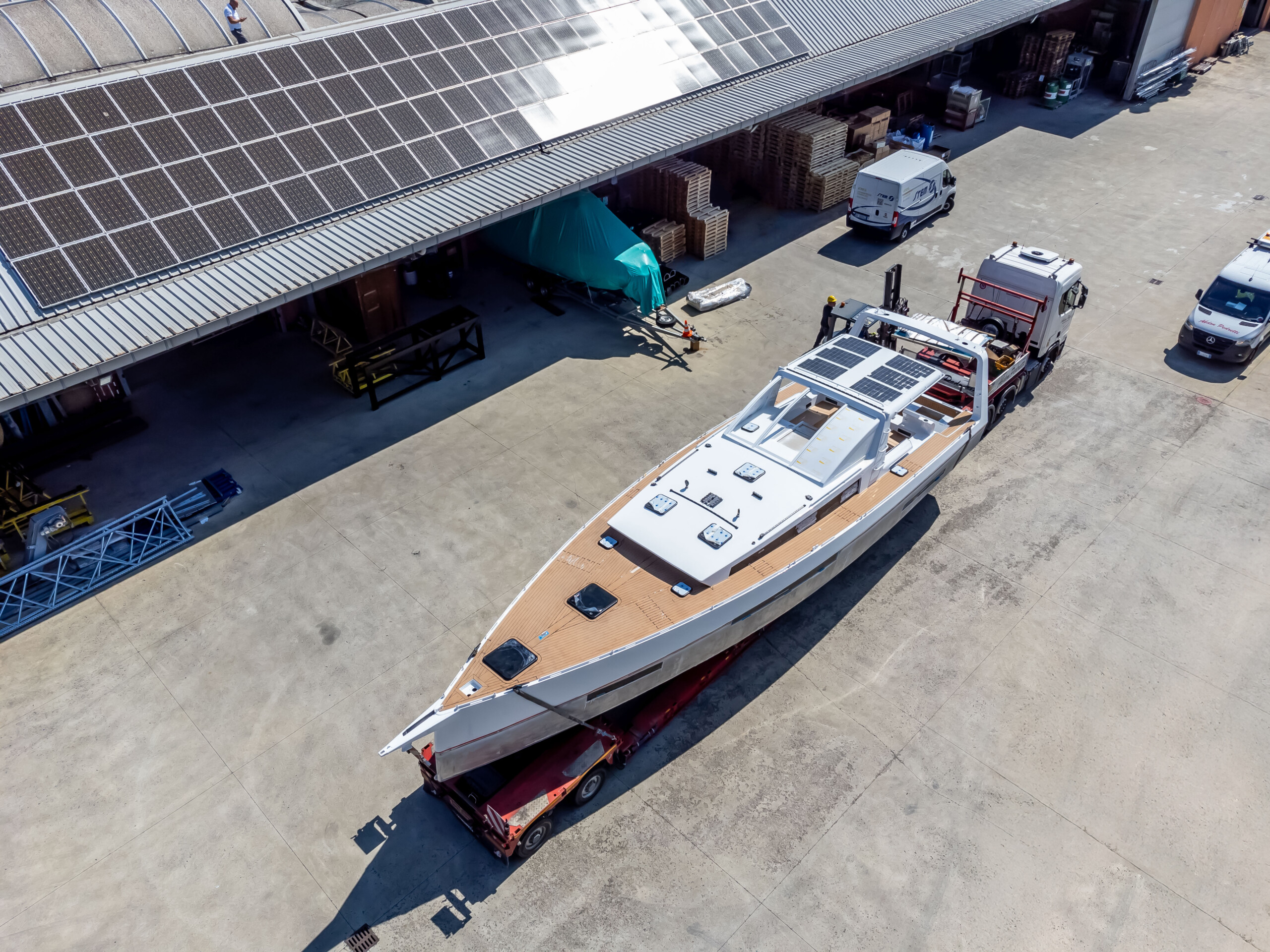
VIDEO – Stem 50 (15.85 m), the 100% Italian aluminum bluewater
We can almost call it “bluewater mania,” because in this 2025 many novelties in sailing come from this type of boat: after the Bluewater 56, the CNB 62, comes a 100% made in Italy boat, which is also a first

