
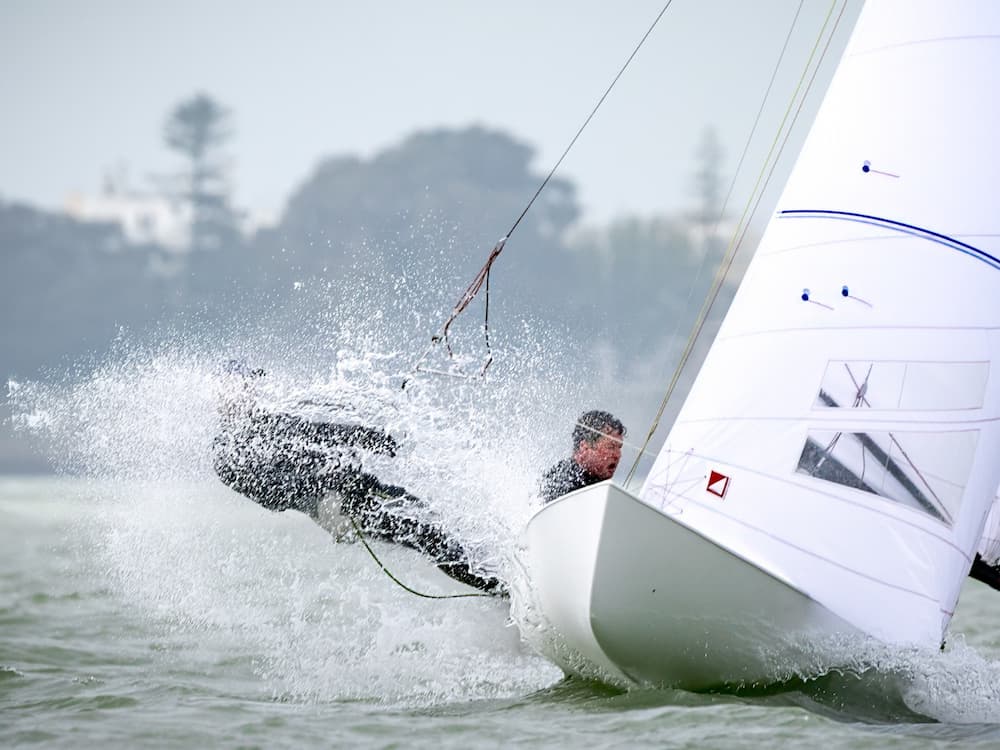
There is an over-seventy-year-old boat that, to this day, still gathers a community of passionate sailors from all over the world, so much so that more than 60 crews showed up at the last World Class in Puerto Sherry, Cadiz, Spain. We are talking about the legendary Flying Dutchman, considered the fastest and most elegant of the “classic” dinghies.
Mythical Flying Dutchman!
The Flying Dutchmann, FD to her friends, was designed between 1951 and 1952 by Dutch architects Conrad Gülcher and Uus van Essen: she was Olympic class from 1960 to 1988 and, more importantly, was at the center of a continuous process of evolution that made the boat follow the “spirit of the times.” This is its secret.
The evolution of the Flying Dutchman
As early as 1952 there was a major evolution for the Flying Dutchman with the introduction of the genoa and trapeze, an innovation that marked the debut of their use in racing. Four years later, in 1956, the first hulls made of fiberglass made their appearance, opening up new construction prospects.
1960 was a crucial year, marked by the introduction of the double bottom and self draining cockpits, innovations that significantly improved the safety and functionality of the boats. Also in 1960, as anticipated, the class makes its debut in the prestigious context of the Naples (Rome) Olympics.
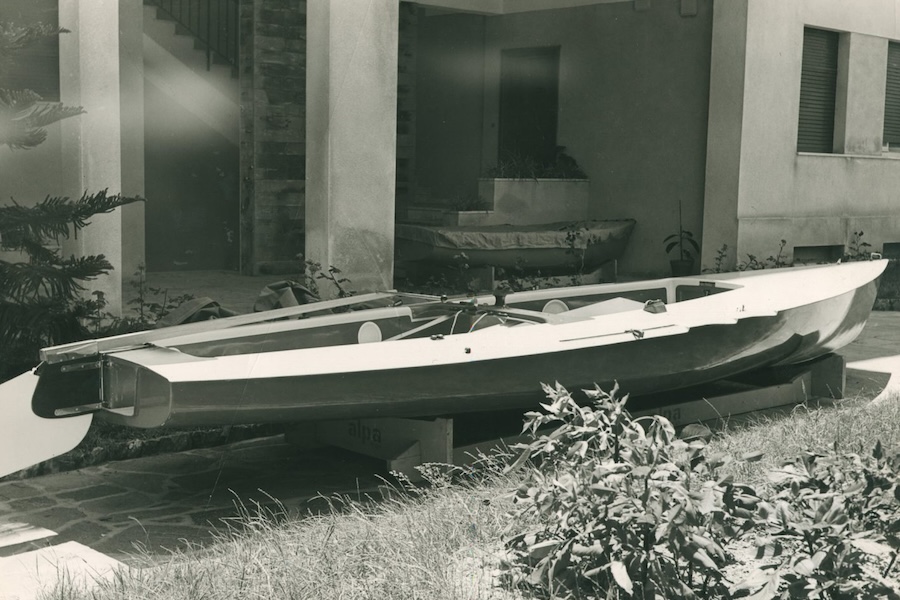
The year 1960, moreover, marked the rise of the Alpa shipyard due to the “merit” of the FD: it was in fact the Flying Dutchman designed by founder Danilo Cattadori, (elaborated on the originals by Uus Van Essen and Conrad Gulcher 1951) that won Olympic Gold at the 1960 Naples Games. Cattadori, moreover, would also win a Compasso d’Oro for his FD.
1964 saw the widespread use of two separate spinnakers, one optimized for downwind and the other for aft, increasing tactical possibilities in racing. 1966 saw the introduction of the closed-circuit spinnaker halyard, followed in 1967 by the adoption of the bow launch tube (funnel) to facilitate hoisting of the spinnaker.
1976 is the year of the invention of the continuous trapeze, a further development for the crew. In 1977 the automatic spreader is installed on the boom, simplifying maneuvering with the spinnaker. 1979 marks the appearance of the first boats made with the sandwich technique, offering a better ratio between weight and rigidity.
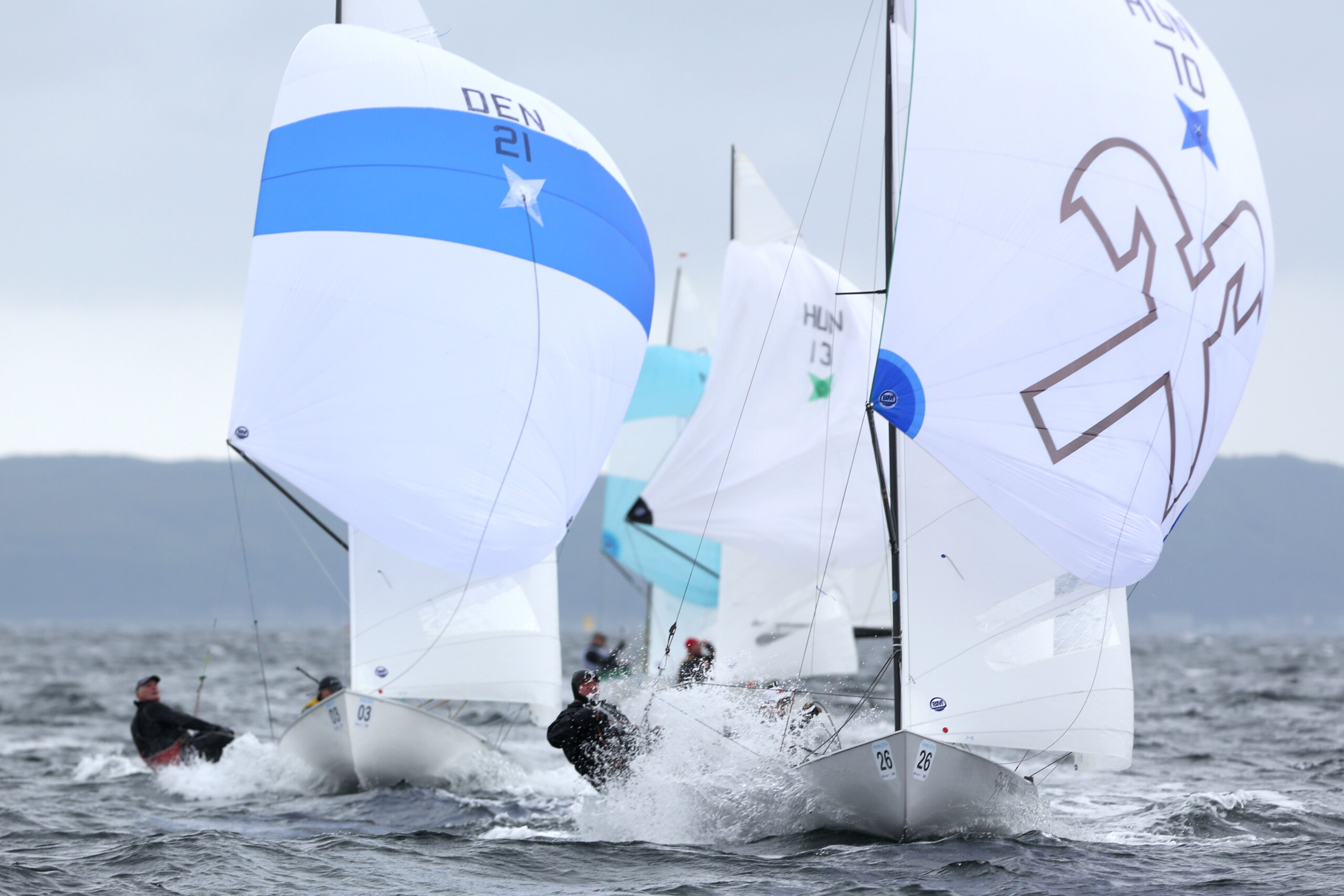
A further breakthrough in materials came in 1982 with the creation of a carbon boat that underwent post-curing in an oven, an innovation that would lead to Jonathan McKee and Carl Buchan winning gold at the Los Angeles Olympics.
Finally, in 1992 the class lost its Olympic status, but significant changes to the equipment were introduced, including a longer spinnaker, a larger spinnaker, and raising the spinnaker halyard by 50 cm.
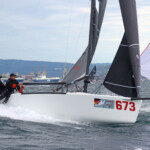
A Made in Italy Success
From 2012 is the debut of the all-Italian FD designed by Luca Ungaro and built by PlanaTech. This boat enshrined the latest evolution of the class with multiple innovations for construction systems (full carbon pre-preg), optimization of structures through FEM, evolution of deck equipment.
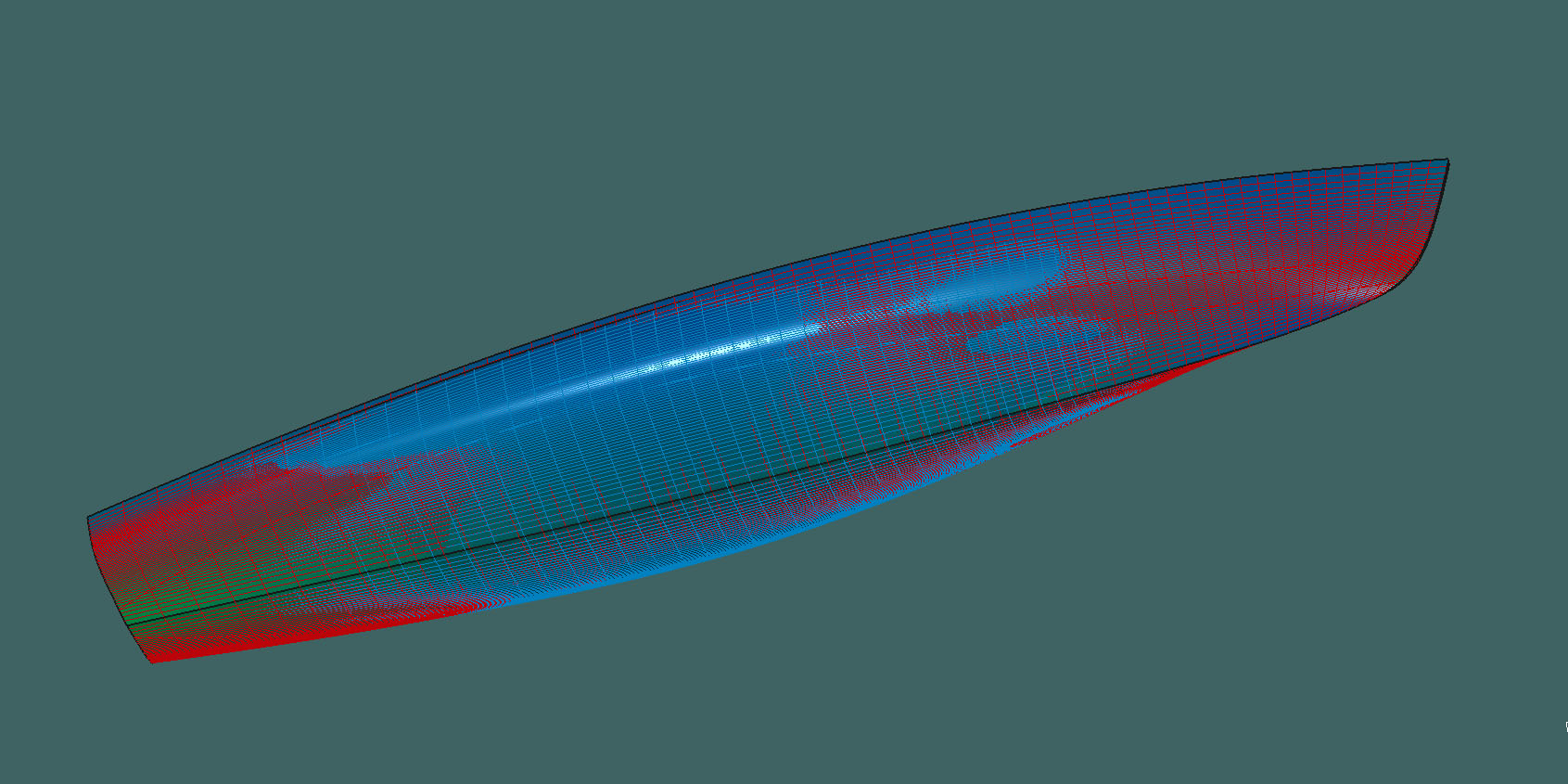
As designer Umberto Felci, who has successfully tried his hand at FDs some time ago(for PlanaTech he helped develop the water lines of the boat that won the 2014 world championship), the FD class allows rather “generous” hull tolerances, so it is possible for designers to intervene in such a way as to optimize the boat’s performance.
Since 2014 Luca Ungaro’s design has won all but two world championships (and in the two that were not won, the boat placed 2nd). This Made in Italy design is the only one that, since the class is no longer Olympic, has broken the hegemony of the German manufacturer Mader.
World FD bronze for Nicola and Francesco Vespasiani
Let’s go back to the present day, to Puerto Sherry, precisely. Where brothers Nicola and Francesco Vespasiani, bearers of the Bracciano Sailing Association, won bronze at the World Championship aboard their FD “Volare.”
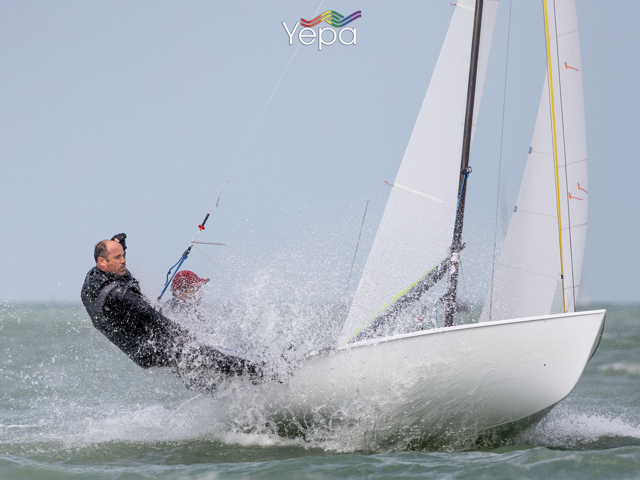
Better than them were only Germany’s Kilian Konig and Johannes Brack, rainbow winners, and Hungary’s Szabolcs Majthényi and András Domokos. The two Romans, the best specialists of the class in Italy with many National Championships the palmares, led the regatta always at the top with the placings of 2-5-2-7-4-5, repeating the bronze won in 2018.
The other Italian placings: 24. Ryan Rocchi and Francesco Gerunzi; 33. Carlo Barbieri and Leonardo Mannozzi; 36. Joshua and Junio Rocchi; 41. Giacomo and Tommaso Samuelli Ferretti.
Check out the latest issue

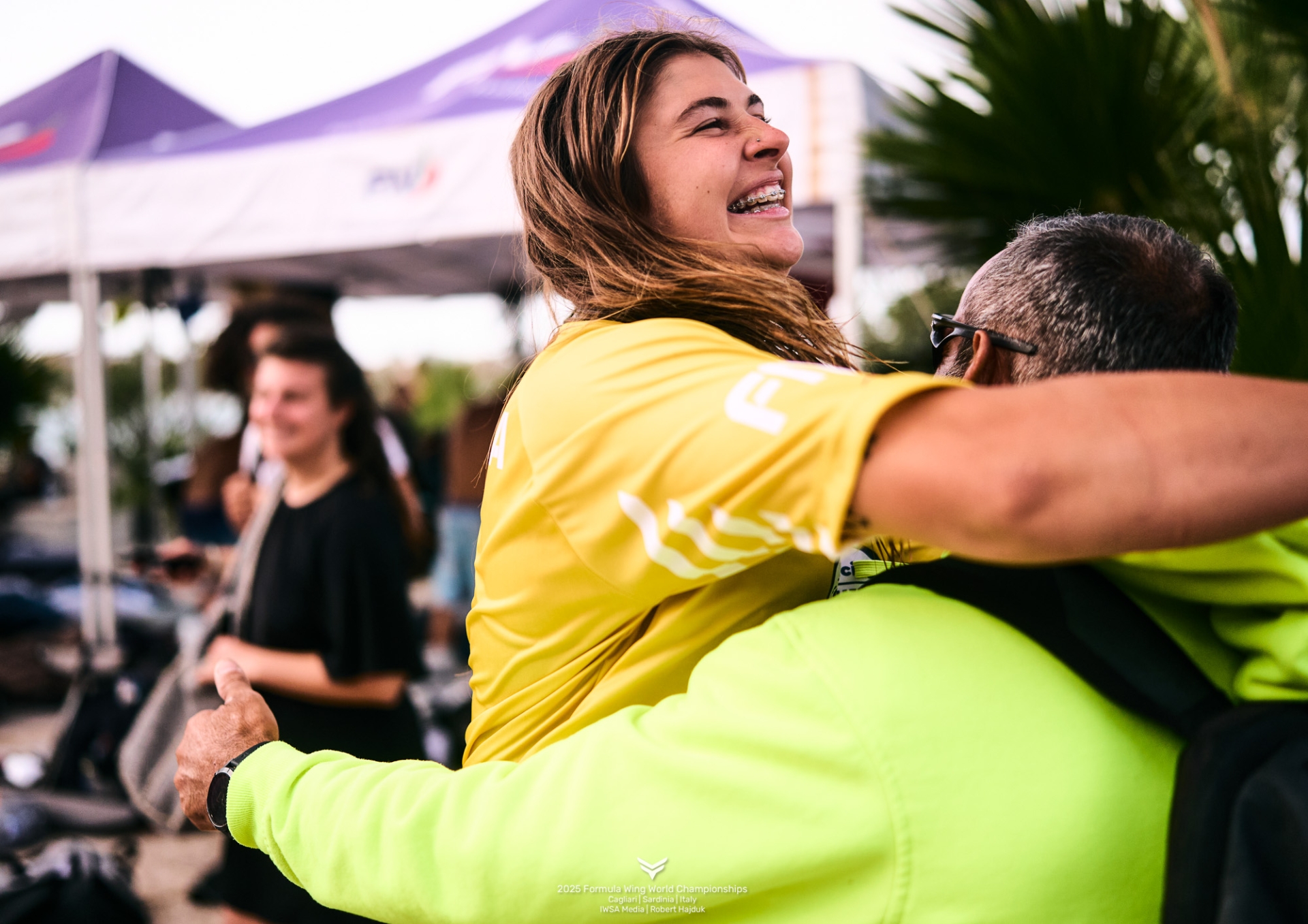
Winning a world championship in your own land is a crazy thrill. Right Magdalena?
Winning a sailing rainbow title is a huge satisfaction. Winning it in one’s own land is even more so. Maddalena Spanu, born in 2006, from Cagliari (but living in Oristano), is the first women’s Formula Wing world champion in history.
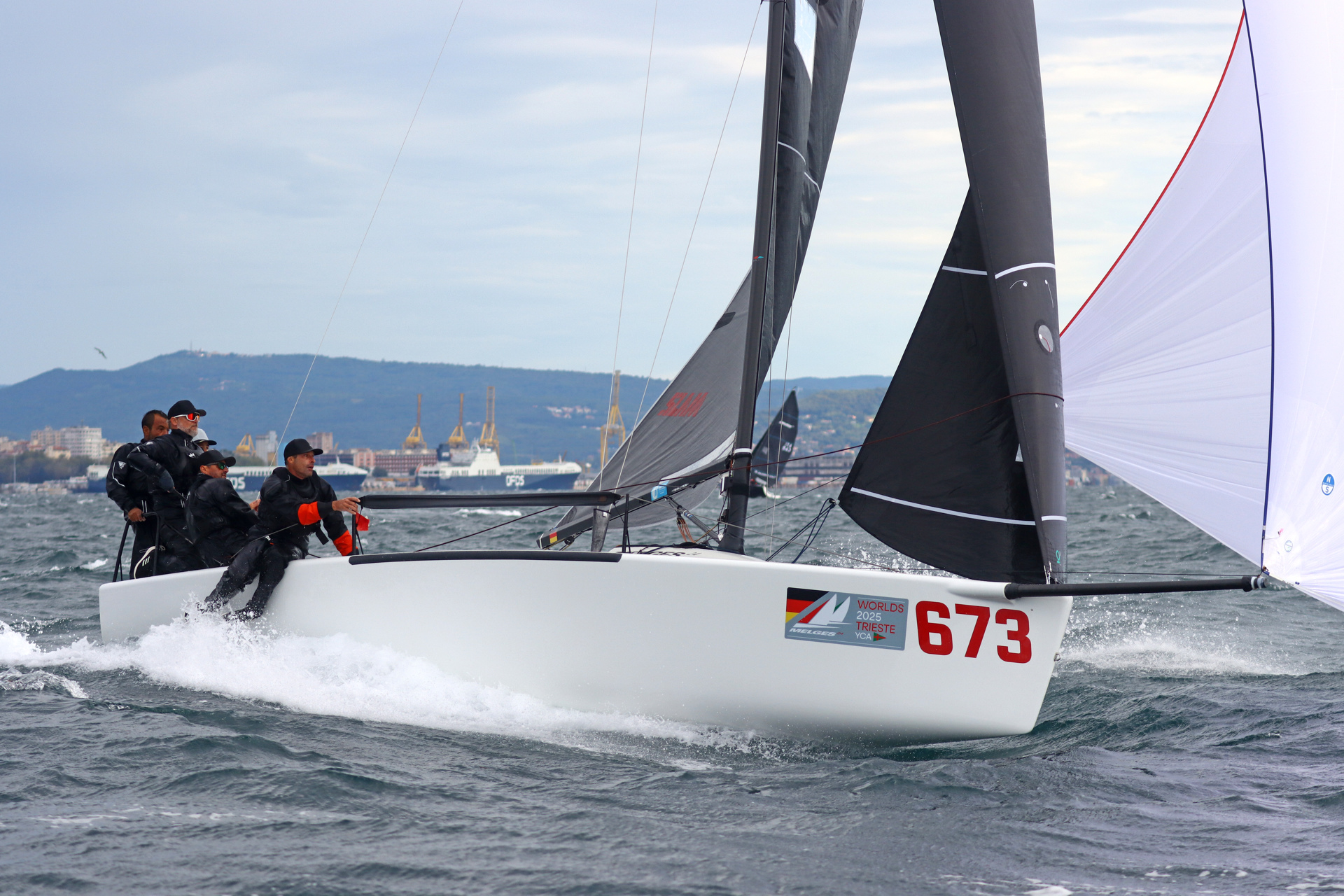
Monotype gathering more than 70 boats at the Worlds after 30 years
Can you find the perfect, and long-lived, racing boat in just 7.32 meters in length? You sure can, especially if the boat in question is called a Melges 24, and proving it, yet another confirmation, was the class World Championship
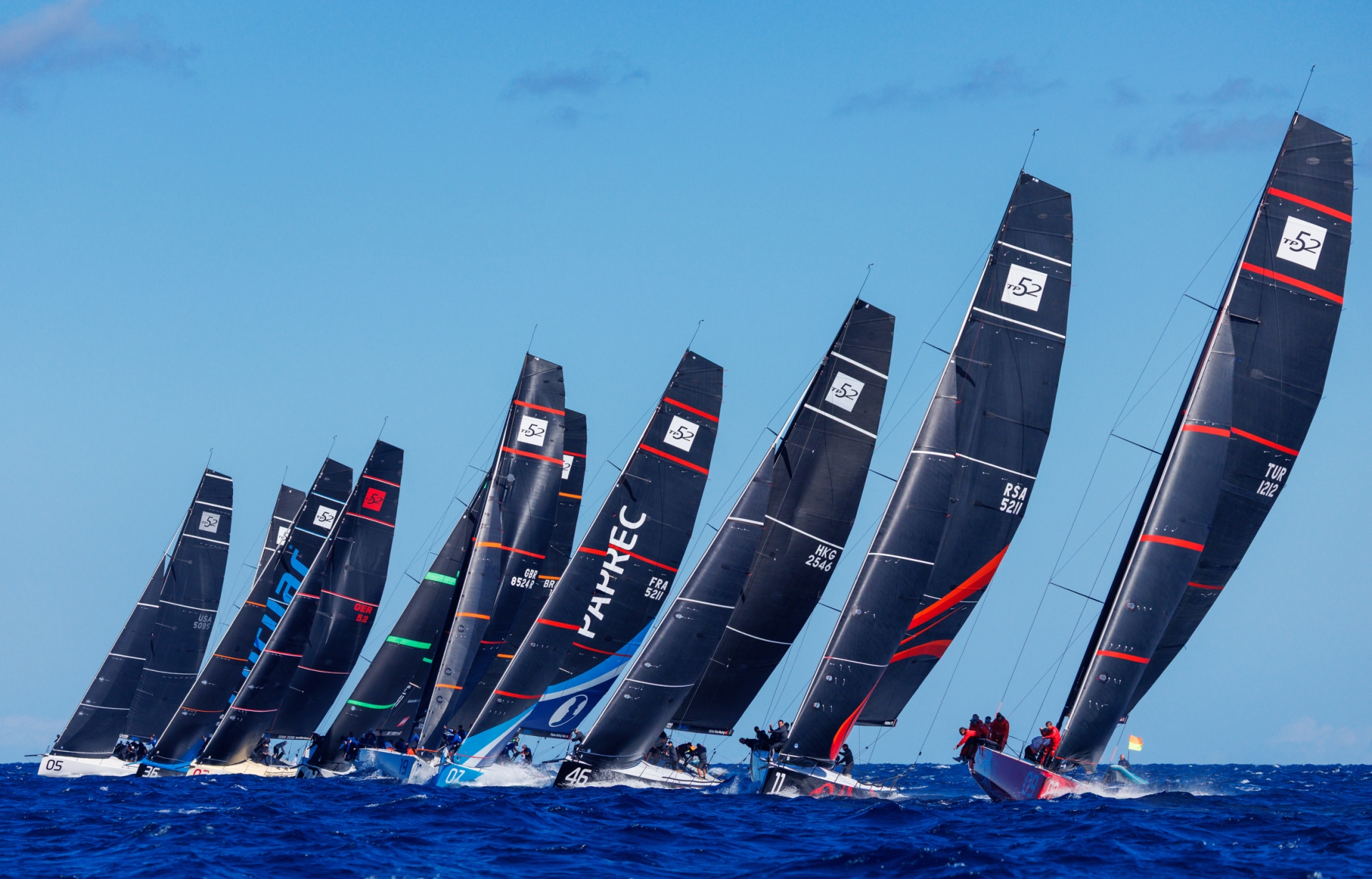
The 2025 52 Super Series season comes to a close: here’s how it went in Porto Cervo
The 52 Super Series-Porto Cervo-Range Rover Sailing Week, which was held Sept. 22-27 in Porto Cervo, in the waters in front of the Yacht Club Costa Smeralda and which closed the club’s 2025 sports season, has come to an end.
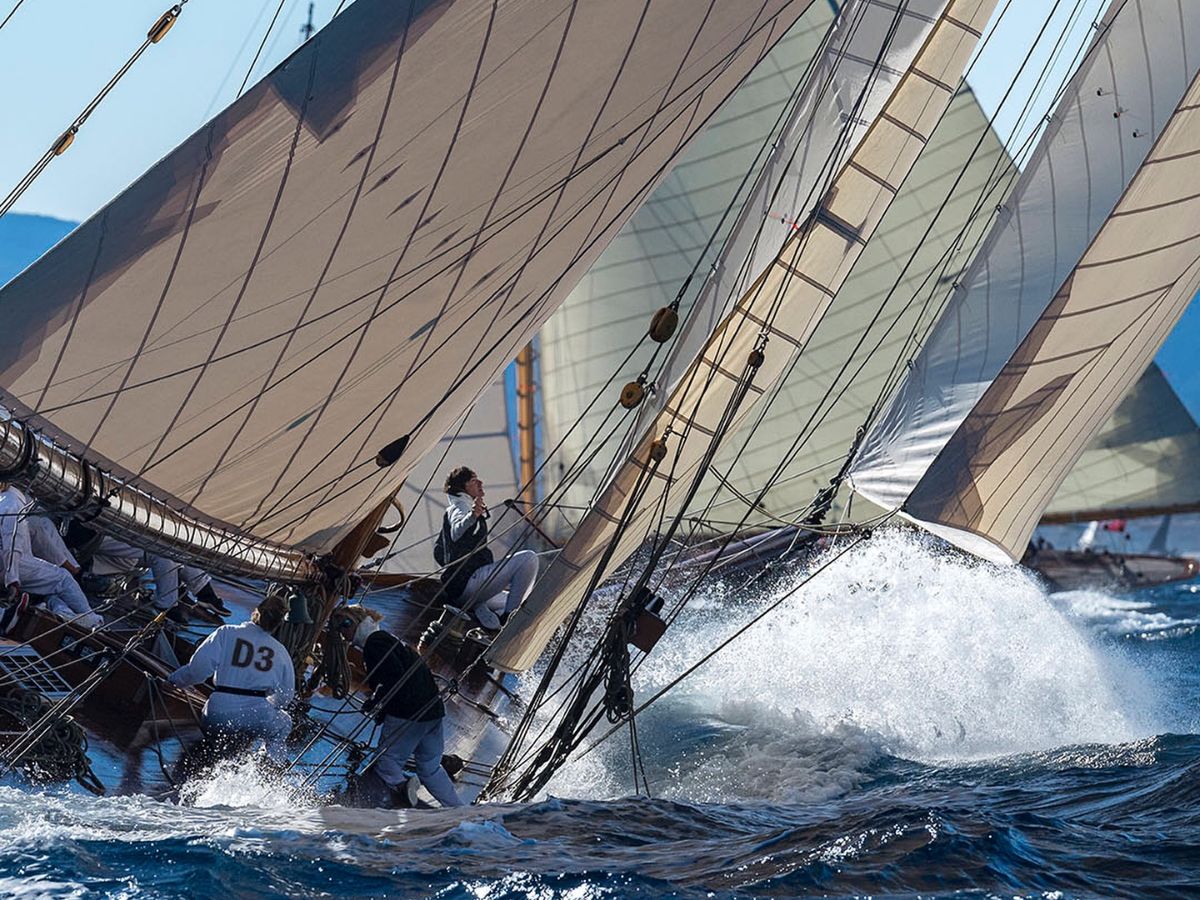
Les Voiles de St. Tropez 2025: vintage boats, maxi yachts and modern hulls for an exceptional edition
From September 27 to October 5, 2025, the Gulf of St. Tropez will welcome more than 240 yachts, including 70 units over 20 meters. Between traditional, modern and maxis, this 27th edition of Les Voiles de Saint-Tropez promises to be

