
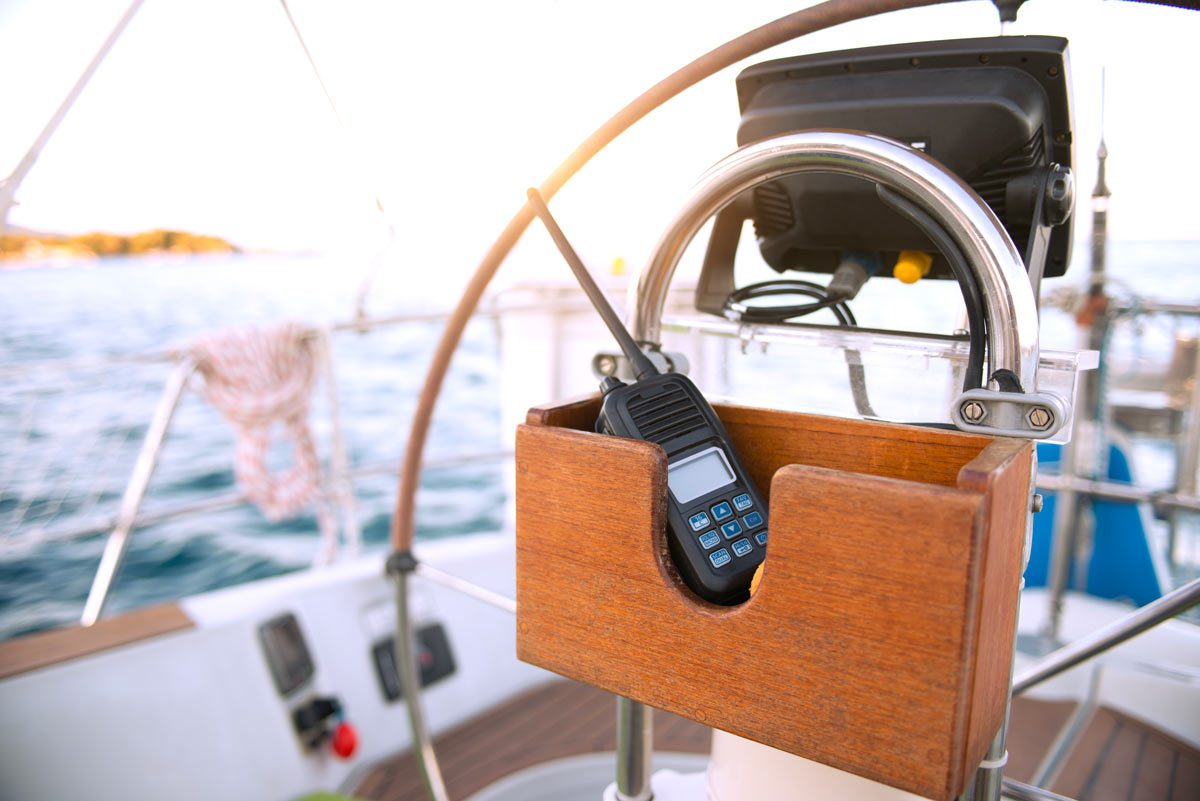
Radio License… more and more readers are writing to us because they run into fines and penalties from Coast Guard and Guardia di Finanza patrol boats for not having their onboard VHF or portable VHF documents in order. Although the VHF radio is not mandatory within six miles of the coast, we all carry it on board for added safety. Those who do short cruises, regattas or training make great use of portable VHFs… According to Italian bureaucracy, every radio on board must have its own license, and every operator must have the certificate qualifying for use… But why do we continue to equate ships with pleasure boats?
Radio license, what fines if you don’t have VHF documents
Within six miles of the coast, the VHF is not among the mandatory safety equipment. Just having a VHF on board, even a portable one, which is common for anyone who sails even inshore, must by law be accompanied by a RadioElectric Equipment Operating License. The user of the VHF must hold the limited RTF certificate, or the GMDSS-SRC license with examination, for the use of the VHF with DSC (with the red key). So also beware of those who organize events and regattas, and pass VHF units from dinghy to dinghy…
VHF documents also mandatory within 6 miles
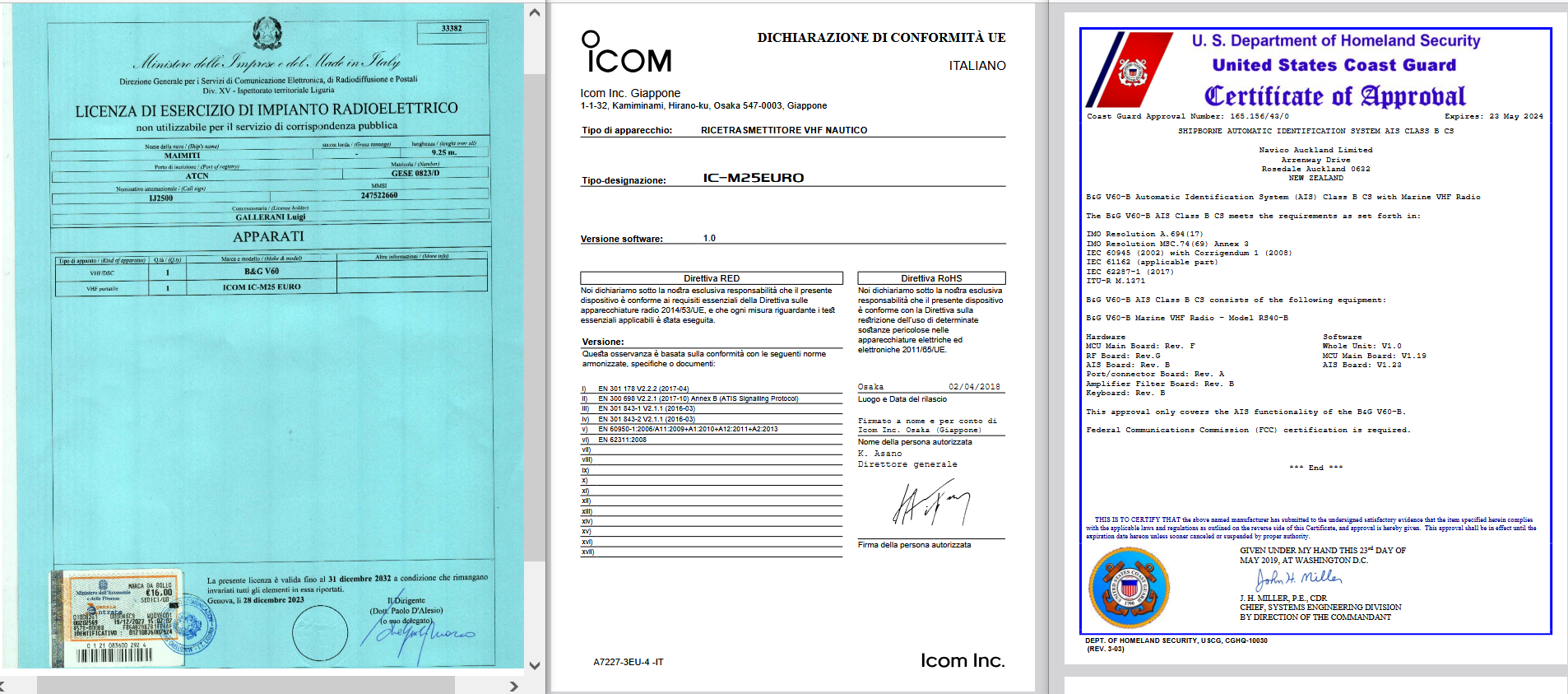
The radio license (short for License to Operate Radioelectric Equipment that cannot be used for public correspondence), issued by the Ministry of Enterprise and Made in Italy, ties the device to the boat.
In order to obtain a new license, it is necessary to apply to the ministry by submitting the equipment approval certificate, issued by the manufacturer of the radios…
If the device is dated or discontinued or even the manufacturer no longer exists, obtaining the approval certificate can be very complicated.
In the case of watercraft, to obtain the license, the boat should be identified with the hull number and engine power certificate, and a fictitious chimata identifier corresponding to the name of the boat will be obtained. While in the case of boats, the radio license will be based on the boat license data and will also contain the MMSI and radio station call sign identifier.
Radio license, steep penalties
Penalties related to the lack of documents related to radio equipment are no small matter, we had told also the direct experience of one of our readers
- 300 to 10,000 if VHF radios without radio license or with expired license are present or installed on board, or for use without RTF certifcate or without GMDSS-SRC license where required. Note that if the radio has MMSI stored internally, this activates the VHF-DSC functions (and of the red key), so the GMDSS license with examination is required. A great many modern radios have AIS built in, and require the MMSI to be inserted to make it work on transmission.
- 50 to 500€ ifsailing beyond 6 miles without a VHF
- Up to 670€ fine and possible arrest up to 6 months for misuse and procuring alarm of VHF equipment.
Damn bureaucracy! Sanctions illogical with respect to safety
Since the sinking of the Titanic (1912), it has been mandatory for safety to have a radio station on board every ship. Instead of incentivizing its possession and use, according to the extent of the penalties of the Italian bureaucracy, it seems less serious not to have the VHF on the high seas than to have the radio without the paper sheet with the license to operate…
For example: if I am 10 miles away without a VHF maybe I get away with minimum fine of 50€ for not having the mandatory VHF among the safety equipment, if, on the other hand, I am with a sailing vessel 2 miles from the coast, and I have the VHF on board, plus for more safety I also have the portable VHF with me, but I don’t have the radio license sheet, the minimum fine is 300€, multiplied by two radios… six hundred euro fine.
Radio license expires every 10 years
Many boaters are taken aback by the fact that since the new law of 2013, the VHF radio license expires every 10 years. This is a real bureaucratic absurdity, a radio device can safely operate for 50 years, since there is no technical check on its actual operation, the technology has never changed, and the maritime frequencies on VHF channels are always the same, it is really absurd that the certificate expires every 10 years, and that the whole rigmarole for renewal needs to be redone.
How to get documents online
Until a few months ago, it was mandatory to go with all documents, revenue stamps and various photocopies to the territorial office of the Ministry of Telecommunications. As we wrote to you in this article, today the radio license and RTF certificate can be applied for online.
- A radio license is required for each radio present or installed on board
- Before the expiration every 10 years the license must be renewed
- If you change the name of the boat, or register a vessel by registering it as a boat, or change the radio equipment, the license must be renewed.
When the VHF certificate is needed
- To use the portable VHF, one must have the RTF Certificate issued without exams and can be applied for online.
- If the VHF has DSC functions enabled, i.e., MMSI is stored within it, it is necessary to have the GMDSS-SRC (Short Range Certificate), which is obtained by examination, and can be done online.
Our proposal to simplify
Considering that recreational boats are not ships, and that the VHF is a safety device now on any recreational boat, a real bureaucratic simplification would be to integrate, in the boat’s navigation license, the VHF’s radio license and then allow anyone in possession of RTF certificate, to operate portable VHFs without a license, or again include the VHF and GMDSS among the examination subjects of the boat license and eliminate the SRC certificate…
The Italian nautical bureaucracy (on other flags everything is always easier), by instituting in 2013 the expiration of the radio license, and with the above-mentioned penalties, seems to be going in the opposite direction of the yachtsman’s logic… when in doubt I start to re-study the morse code, lest soon, to call the port and ask for a berth, they will ask us in addition to the VHF license also for the full marcher’s exam….
Luigi Gallerani
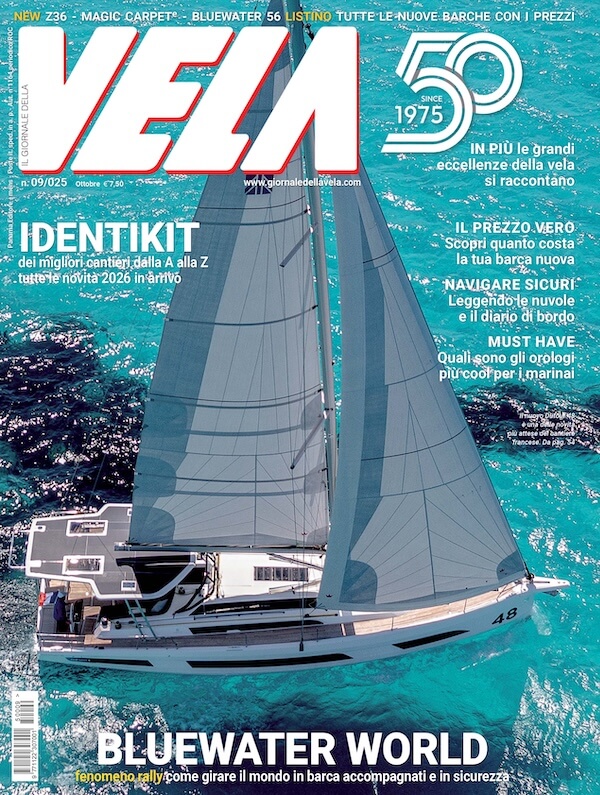
Check out the latest issue

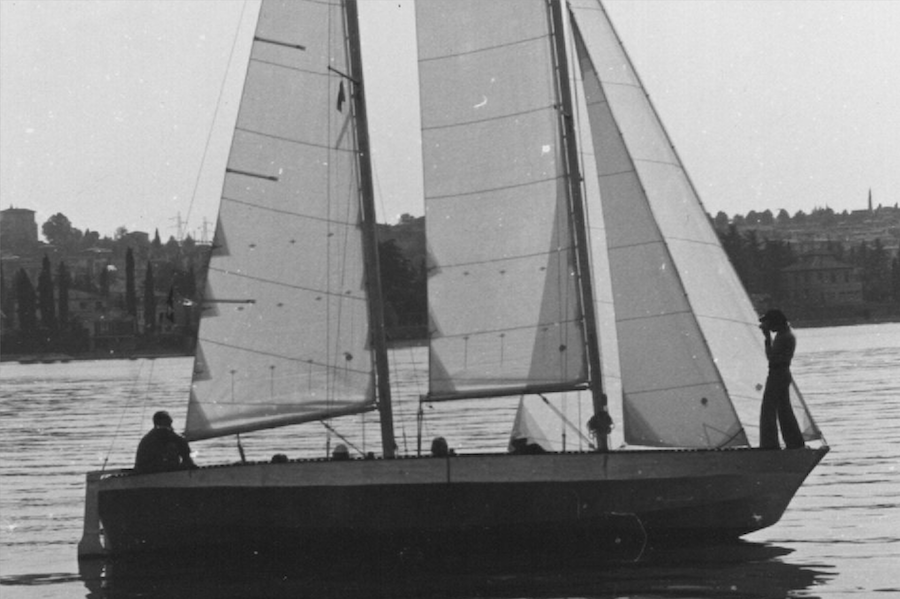
Old boat makes good board! The legendary Fraglia schooner has been “re-launched” after 50 years.
Desenzano, Lake Garda, home of the FVD, Fraglia Vela Desenzano. A Lake classic replicates its launch 50 years after the first time. It is the Fraglia schooner, a light alloy school schooner, the first in Italy to ever be built
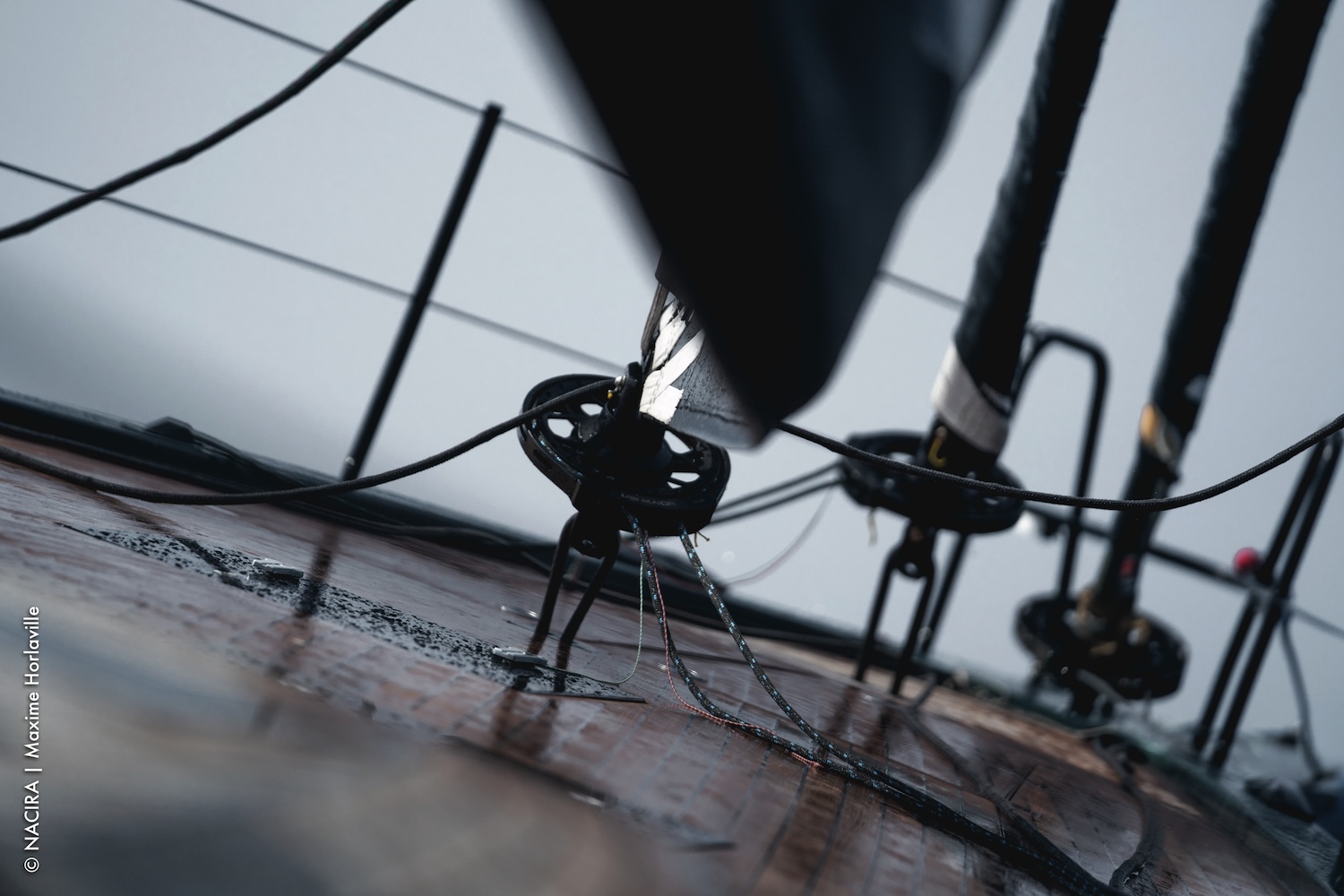
VIDEO – Ubi Maior Italia, when a new company is born from a bit of madness
A boat ride in 45 knots and a pinch of madness: these are the ingredients of a story that speaks 100 percent the language of Made in Italy. A story that starts from the heart of Tuscany and has reached
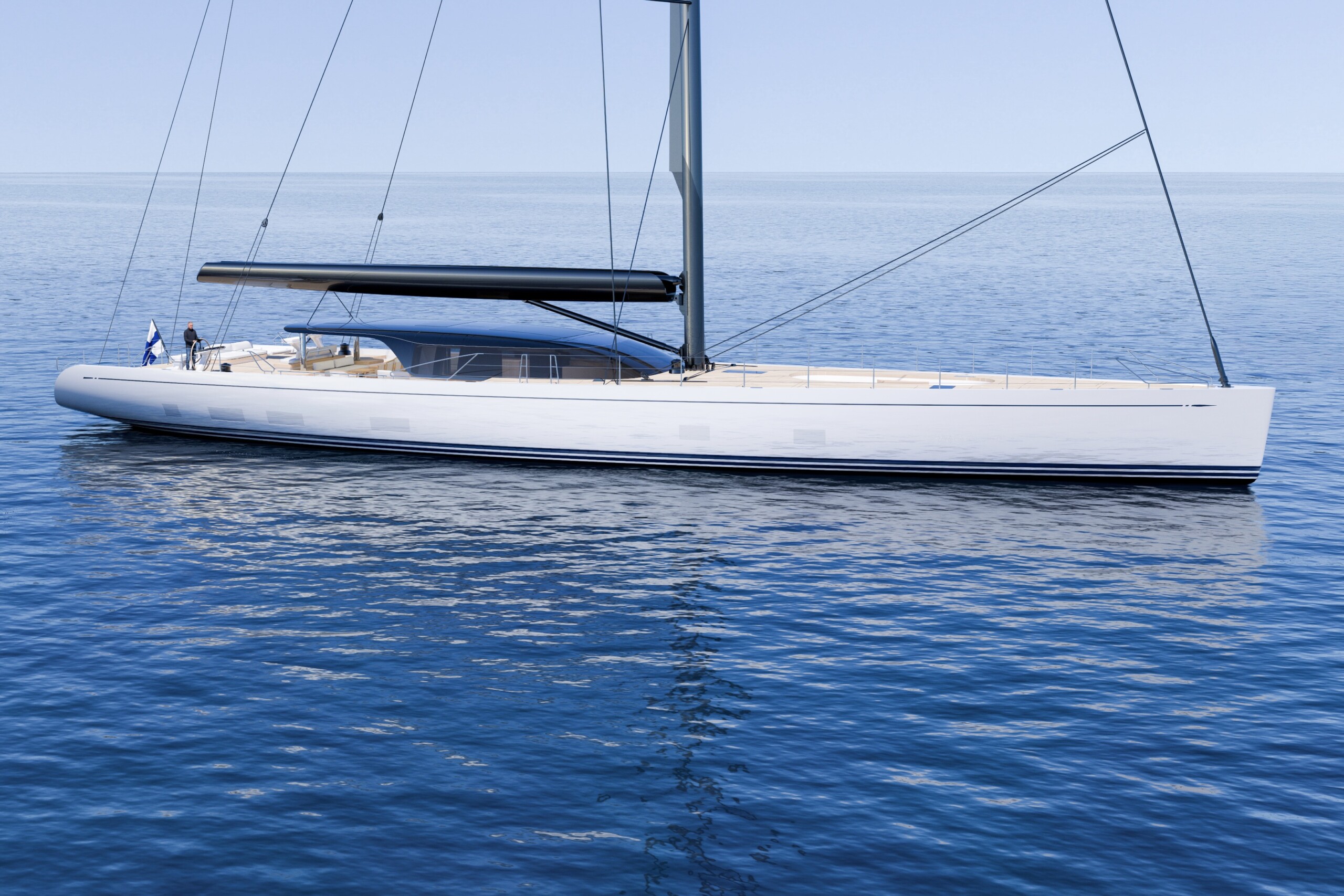
Swan Alloy 44: the new 44-meter aluminum supermaxi
Nautor Swan has unveiled the new Swan Alloy 44, a 44-meter aluminum sailing supermaxi. The first example is scheduled for delivery in summer 2028, with the hull built in the Netherlands and completion in Viareggio. The first owner will be
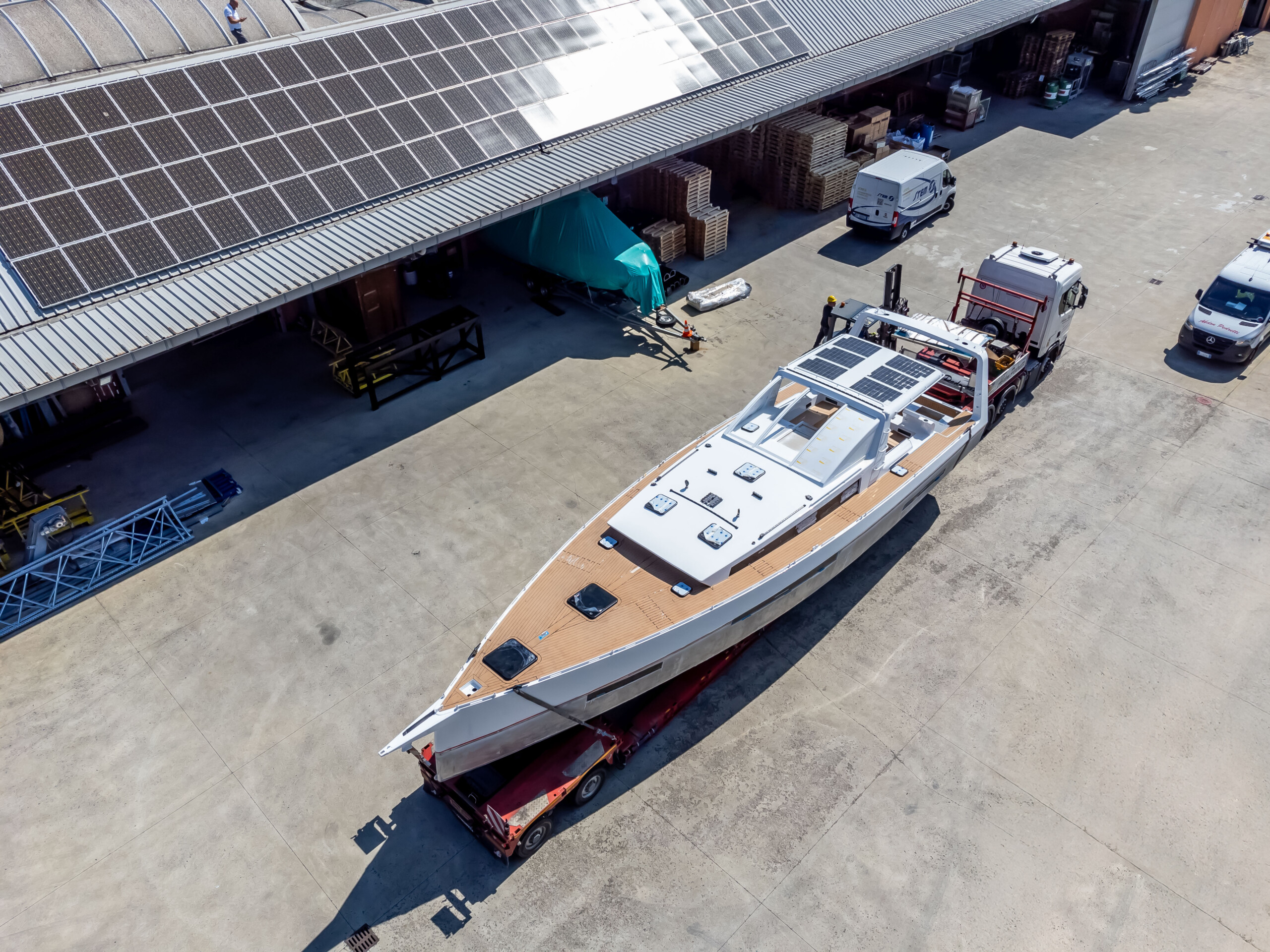
VIDEO – Stem 50 (15.85 m), the 100% Italian aluminum bluewater
We can almost call it “bluewater mania,” because in this 2025 many novelties in sailing come from this type of boat: after the Bluewater 56, the CNB 62, comes a 100% made in Italy boat, which is also a first

