After learning what pressure maps are and how to read them, figuring out how to interpret marine weather charts , and becoming proficient in nowcasting, it’s time to figure out how to read on-board instruments.
Practical Weather
We continue our journey into meteorology with Riccardo Ravagnan, head of Meteomed, who will teach us what we can understand with the barometer and the latest instruments.
Barometer and on-board weather station: two fundamental allies
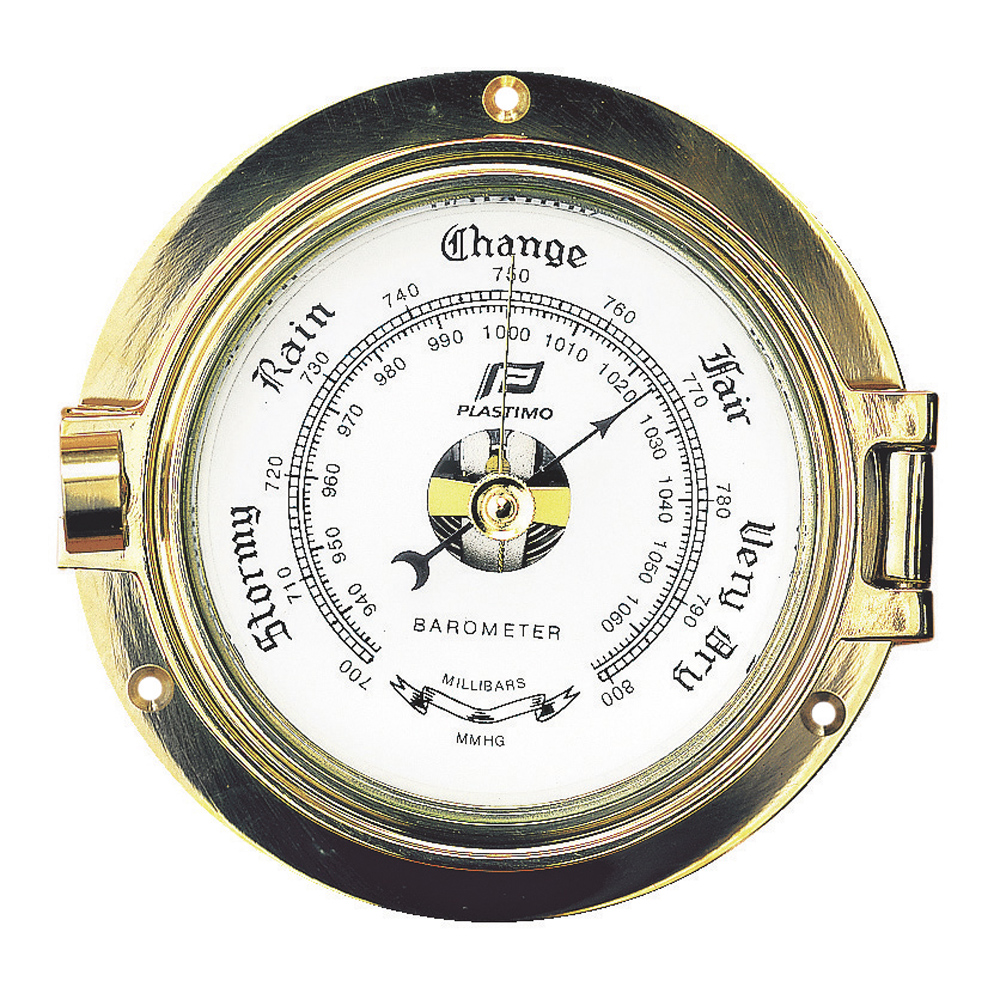
The barometer is a common instrument aboard many vessels, mandatory as equipment for navigation without limits from the coast (ex Decree No. 133 of September 17, 2024). It serves to measure pressure, that is, the weight of the column of air above our heads from sea level, and is an all-Italian invention, since the one who developed this instrument was Evangelista Torricelli (after Galileo Galilei). The Torricellian one, in truth, is not quite the same as the one we have on board, for his is an instrument equipped with a liquid column in a tube that, based on its expansion due to the weight of air, indicates the value of atmospheric pressure.
Most of the barometers on board our boats are the so-called aneroid ones, that is, those that return the value of the pressure misuring the deformation of a coiled metal body. The barometer is not only used to tell whether the pressure is rising or falling, rather it helps us understand where we are within the weather scenario predicted by the charts; in fact, let us not forget that when we consult a pressure map, what we see is a pattern that predicts a given pressure at a specific geographic point.
It is now well known that the study of changes in atmospheric pressure makes it possible to predict weather developments, especially in the medium to short term; atmospheric disturbances are in fact linked to changes in pressure: low pressure, especially with a rapid lowering, heralds a depression and thus bad weather. Similarly, a rising atmospheric pressure generally indicates the return of good weather. It may happen, however, that the actual value we read on our barometer does not match the one predicted in the area, and, at this point, there are two options:the model is late and the front has already passed or is coming earlier than expected, or the estimateof the intensity of the baric variation was wrong.
In practice, we see how to interpretsignificant changesin pressure; a csudden aduta of pressure, measurable in 3 hPa in 3h, indicates a possible entry of a cold front, thunderstorm or rapid cyclone. Conversely, an a upping the value rapidly (on the order of 4 hPa in 6h), means high pressure and good weather coming in, with the possibility of strong winds from baric gradient. If the barometer stops on a s absolute tability, this means permanence of anticyclonic conditions, but there will be attention to humidity and possible local convective phenomena.
The barometer is not enough
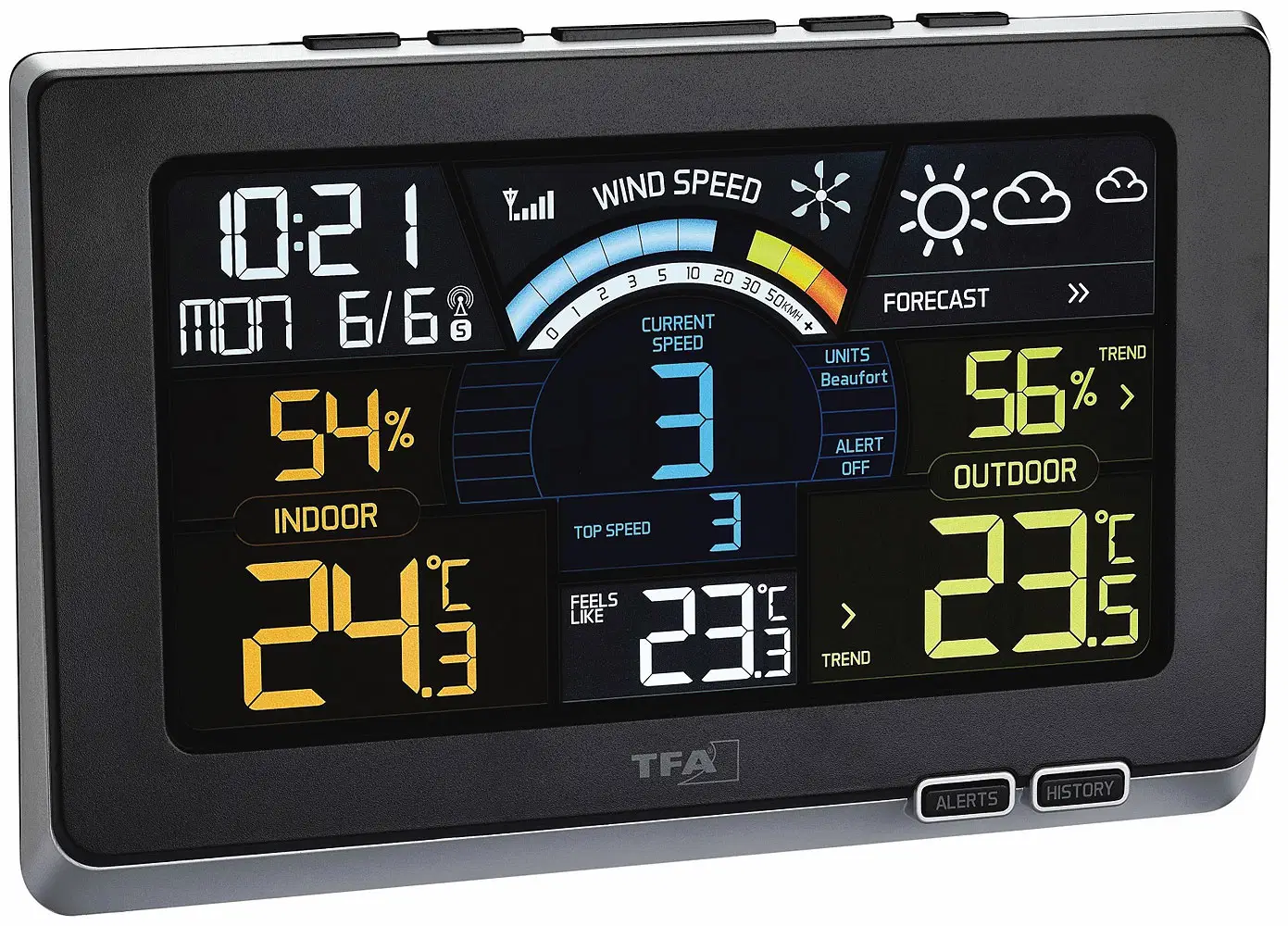
Just observing atmospheric pressure by means of a barometer is not sufficient to reliably predict the weather. For this very reason, the value of pressure is often associated with the values provided by other measuring instruments: an anemometer to measure wind strength and direction, a thermometer to know the evolution of temperatures, or, again, a hygrometer to measure the moisture content of the air.
The data collected on board are the tangible reality of what is happening around us, and learning to compare them with those predicted by the model means knowing how to assess the validity of the forecast itself. We must, therefore, evaluate the deviation of wind direction, which can be a symptom of a deflection effect due to the conformation of the coast or mean local instability and local convective cell formation.

Different measurements of temperature and humidity, on the other hand, should cause alarm because they may mean a reserve of energy that can be exploited by storm cells and local intense phenomena: watch out for these values when planning to anchor to spend the night at anchor. In practice, a change in wind direction, a sudden increase in its intensity, and a barometric descent, perhaps accompanied by increasing cloudiness, are clear signs of a sudden change in progress: intersectingthese variables is essential to anticipate the arrival of critical phenomena and to change course or sailing plans in time.
Practical Weather – In Brief…
Below is a vademecum to summarize what we have said:
- Always compare the actual pressure with the pressure map
- If there are discrepancies, ask yourself: is the phenomenon coming sooner? Is it changing faster than expected?
- Check wind direction and intensity: if it does not match the forecast, there is probably an anomaly in place
- Intersect the data: if the pressure drops, the wind picks up, and the sky clouds over, be prepared to set sail or change course
Federico Lanfranchi
Check out the latest issue

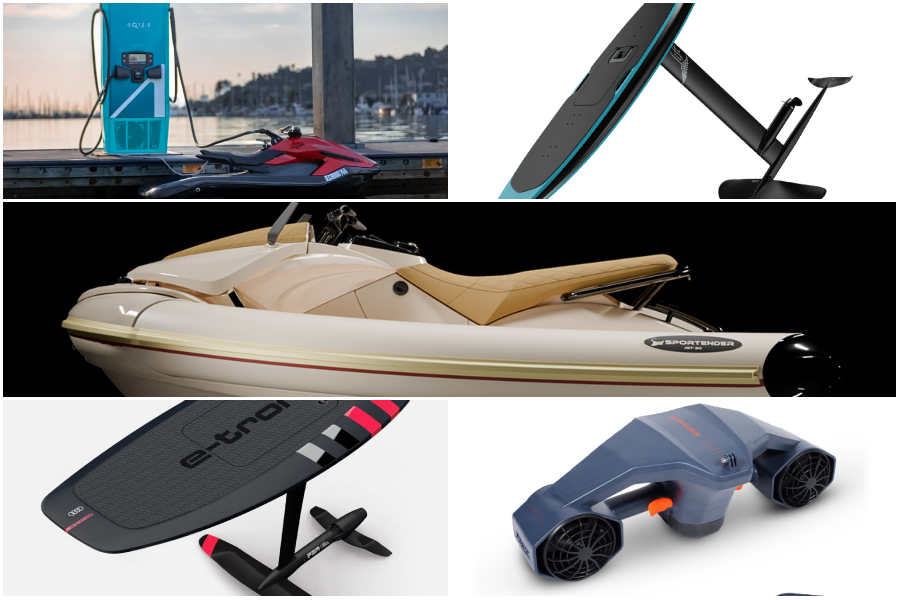
5 out-of-the-box ideas seen at the Genoa Boat Show for “sailing” without a boat
The Genoa Boat Show , for a few days, was transformed into a microcosm. A place where size does not matter (not only for boats) and where figures take on relative meaning. Those who live by the sea know
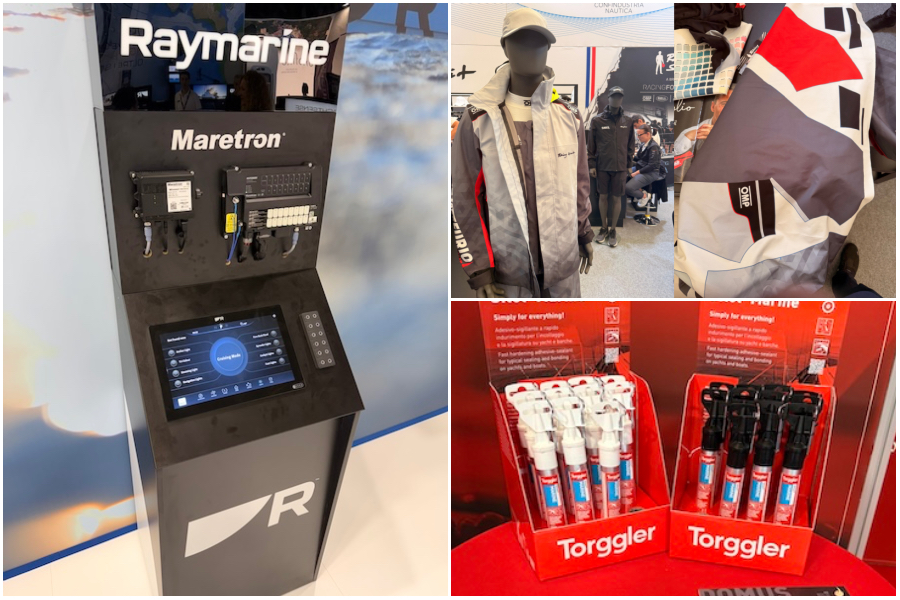
3 accessories to see if you visit the Genoa Boat Show
At the Genoa Boat Show, there is more than just the boat scene; on the contrary, the real surprises often come from the world of accessories, which are increasingly innovative and ready to transform the experience of those who go
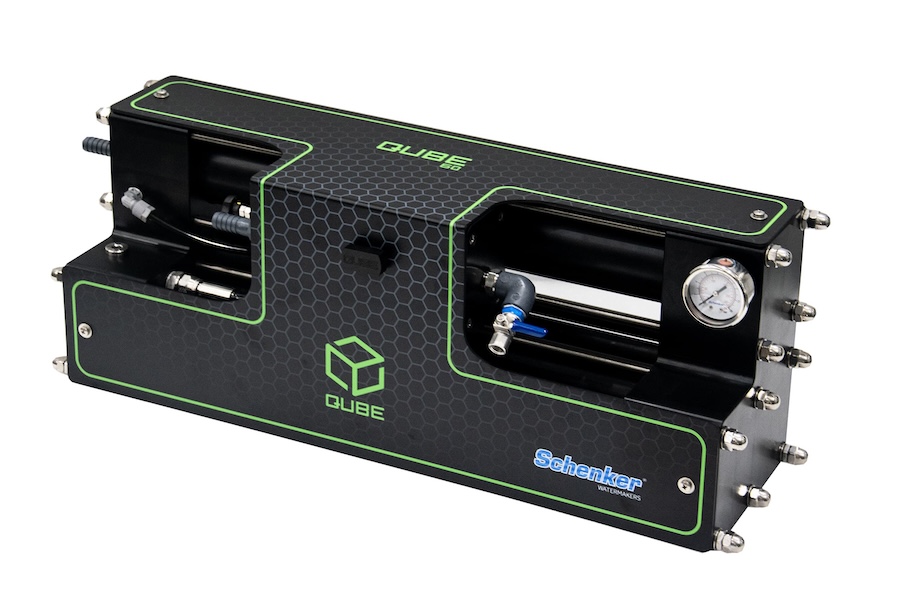
Schenker launches Qube, the new “cube” watermaker that fits every boat
Qube, the new proposal by Schenker Watermakers, arrives: a reverse osmosis watermaker designed to meet the needs of those looking for high performance and minimal footprint. After the great success of the Zen line, characterized by ultra-flat shapes and intelligent
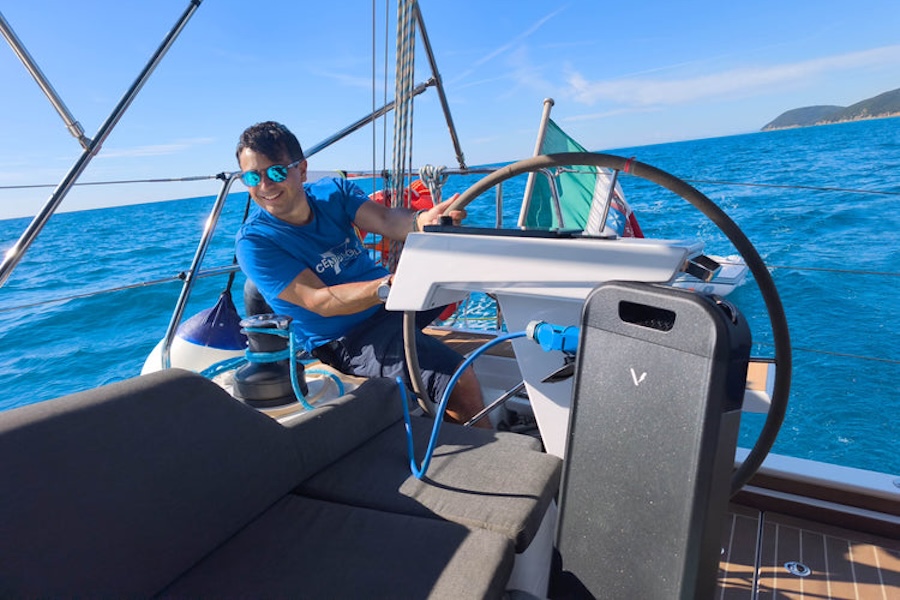
This boat generator is 100% electric and Italian. Here’s how it works
VOLTAB is the first 100% electric and 100% made in Italy portable generator that completely changes the energy management on board your boat. Made entirely in Italy with recycled materials and cutting-edge technological solutions, VOLTAB combines sustainability, efficiency and freedom

