Welcome to the special section “GdV 5th Years.” We are introducing you, day by day, An article from the archives of the Journal of Sailing, starting in 1975. A word of advice, get in the habit of starting your day with the most exciting sailing stories-it will be like being on a boat even if you are ashore.
Where Covid does not exist
Taken from the 2021 Journal of Sailing, Year 47, No. 1, February, pp. 62-67.
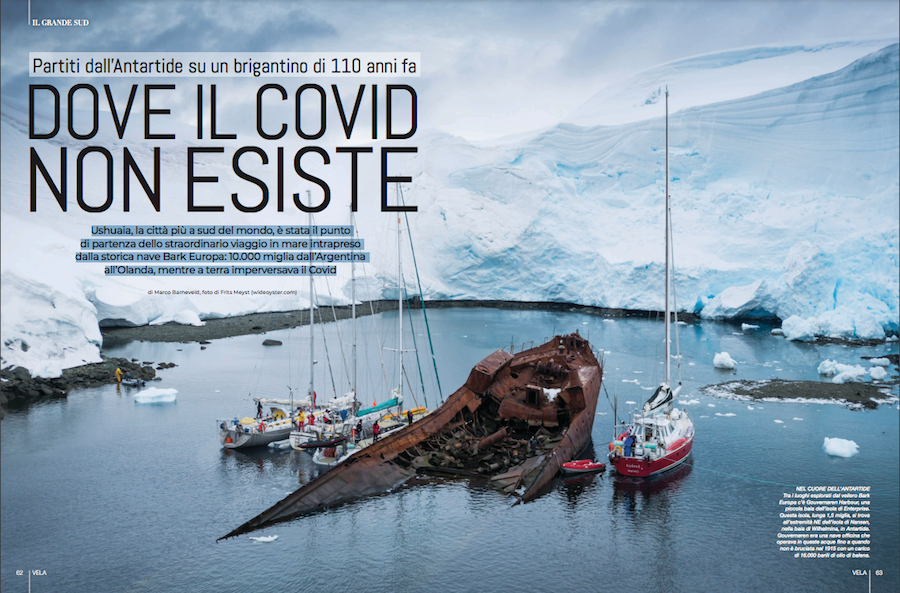
Ushuaia, the southernmost city in the world, was the starting point of the historic ship Bark Europa’s extraordinary voyage at the height of the Covid pandemic. 10,000 miles under sail from Argentina to Holland while the malignant virus raged ashore.
Ushuaia, the southernmost city in the world, was the starting point of the extraordinary sea voyage undertaken by the historic ship Bark Europa: 10,000 miles from Argentina to Holland, while on land the Covid raged.
Due to the COVID-19 pandemic, the historic steel brig. Bark Europa (launched in Germany in 1911 as a lightship, a function it held until 1977 before being reborn as a three-masted ship in 1994) found itself stranded in the port of Ushuaia. The picturesque city located in the southern part of Argentina ‘s Tierra del Fuego, which is often described as the end of the world and the beginning of everything, is normally the port from which the Bark Europa undertakes its route to Antarctica, as well as for other passenger ships bound for the majestic wilderness of the Great White Continent. But we know well that, in the days of Coronavirus, the concept of normality has become rather haphazard. And so, due to security measures, the crew of the historic three-masted sailing ship found themselves stranded in the port of Ushuaia.
Ushuaia. A journey that tastes of old
Before Dutch captain Eric Kesteloo and his crew of eighteen men and one woman decided to return to the port of Scheveningen, the Netherlands. An extraordinary ocean voyage of more than 10,000 miles, with only the propulsion provided by the twenty-four sails on board. Such a voyage, with no stops or stopovers of any kind, had not been undertaken since the days of the first steam engines and thus since the early nineteenth century. My work as a nautical journalist has led me to sail the Seven Seas several times aboard large, historic sailing vessels. It can hardly be called an easy job; it is a constant succession of decisions about what to rig and what course to take. Maintenance work is an endless cycle. Sails must be hoisted, trimmed, lowered and furled, halyards must be carefully maneuvered, lines must be properly knotted or tensioned. Maneuvers must be periodically checked, and worn components must also be replaced if necessary. Then there is the whole part about greasing the masts, checking the joints, and a whole series of maintenance tasks. Door frames and the various wooden components have to be periodically sanded down, rust has to be removed, not to mention the guard shifts on board. I’ll let you imagine what it’s like to sleep only four hours a week. it’s really tough. Even for the most experienced sailors like Captain Kesteloo‘s crew.
Ushuaia. The hard life of the sailor
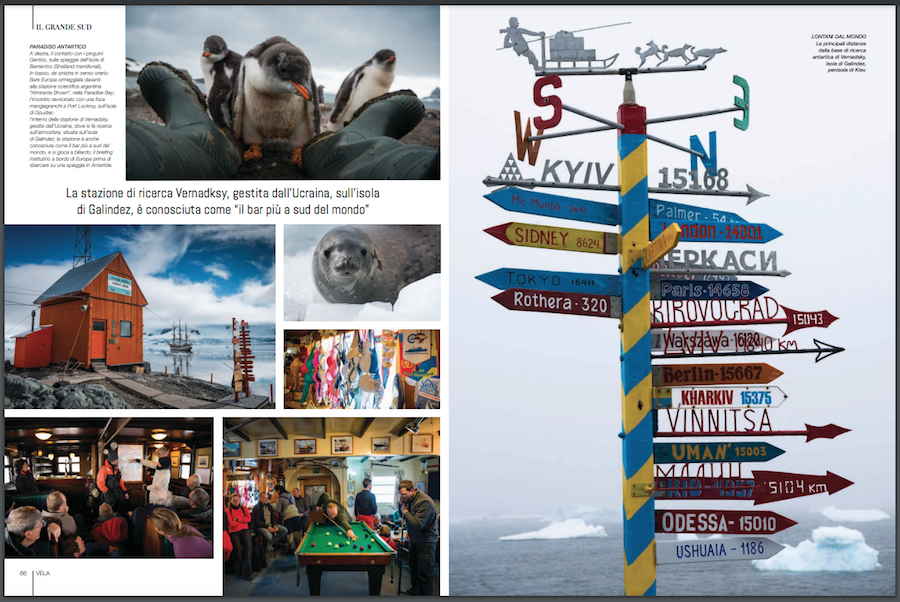
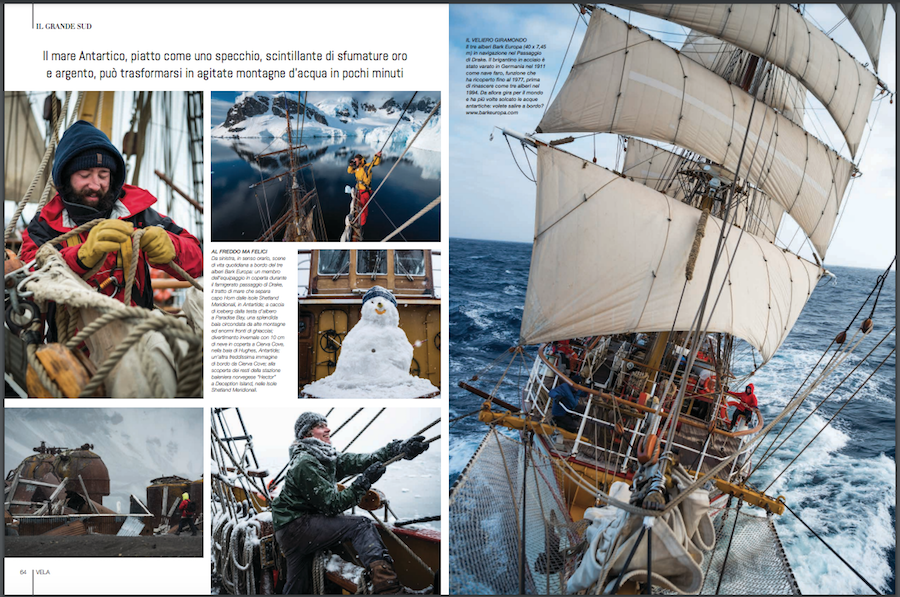
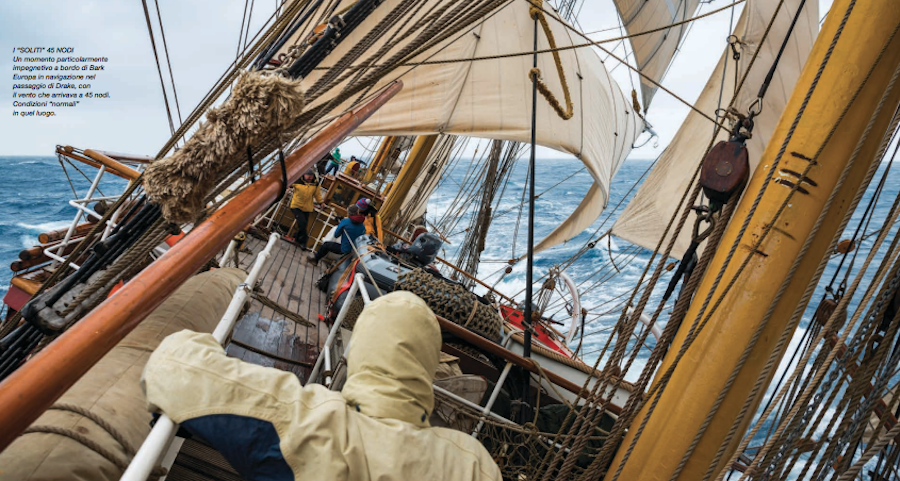
I sailed some time ago aboard the Bark Europa, crossing the Drake Passage, considered one of the most dangerous stretches of sea in the world, to reachAntarctica right from the port of Ushuaia and just like photographer Frits Meyst (his are the photos accompanying this article). The following is an excerpt from my account at the time: “The ship groans as the waves hit the deck. The wind rages between maneuvers at 60 knots and I latch onto the rudder. 60 knots, or 11 on Beaufort’s scale. We are right in front of what Beaufort calls a violent storm. Yet for the Drake Passage Channel, conditions can be said to be more than good. I am at the helm of the Europa, a ship equipped with three masts and as many as 24 sails. Today only a few sails are hoisted, but we are still crossing the stormy ocean at a top speed of 11 knots.” I have seen the foaming rage that can rage across the oceans. With winds lashing the waves and turning them into walls of water. Neptune is an extravagant god. A sea, flat as a mirror, glittering with shades of gold and silver, can turn into agitated watery black mountains in a matter of minutes. The journey that Captain Kesteloo and his crew have decided to undertake is not like sledding in the lake in the park. Moreover, it may never have been done before. The total absence of stopovers and technical stops normally made by ships en route from Europe to the southern tip ofArgentina is what makes this 10,000-plus mile crossing truly unique. What the crew of the Europa faced was a constant tug-of-war with Neptune. As much as the crew members were experienced navigators, adequately supported by excellent equipment, danger was always lurking.
The last storm
Bark Europe set sail late last March: assuming a constant speed of 5 knots, it would have taken two and a half months. By the end of April, the crew was stuck at 21° latitude. “We are waiting impatiently for the wind to pick up so we can start again,” they said. “It’s unpredictable, Neptune’s playground, with its dark, deep waters and the winds that lash them. But sometimes sailing is also just plain boring. The Bark Europe approaches the Intertropical Convergence Zone, an area well known to sailors for its monotonous weather and lack of wind.” Then, a series of storms, the last one on June 13, in the NorthAtlantic: “The North Atlantic subjects us to one last test before we reach our destination,” writes crew member Maria Intxaustegi. “As we approach the English Channel, we found ourselves in the middle of a low pressure vortex. We are all salty and wet. Clothes refuse to dry. Jacklines are set up on deck and we are all wearing our harnesses. The sea is much rougher than anything I have experienced on the Drake Passage during this Antarctic season. It is raining and the waves regularly crash on the deck. The wind is squealing, blowing with a speed of 40 knots, gusting up to 50. The ship sways and swerves as it battles the waves. An occasional irregular wave hits the hull with a big bang, causing it to shake. Anchor. Europa smells like home and we are flying in the wind.”
The arrival in the Netherlands
On June 16, the Bark Europe sailed to the port of Scheveningen, Netherlands. In eighty-two days, the ship and its crew have covered, without damage, more than ten thousand nautical miles. Without a single stopover. Not bad for an old lady…. “It was an extraordinary and upsetting experience for many of us,” said Captain Eric Kesteloo. “We are happy to see our families again. We have been waiting for this moment for over 3 months because of the situation that is shaking our world. It will be a couple more days before most of us return home, but our families and loved ones can rest assured that we are all safe and sound.”
By Marco Barneveld, photo by Frits Meyst (wideoyster.com)
Check out the latest issue

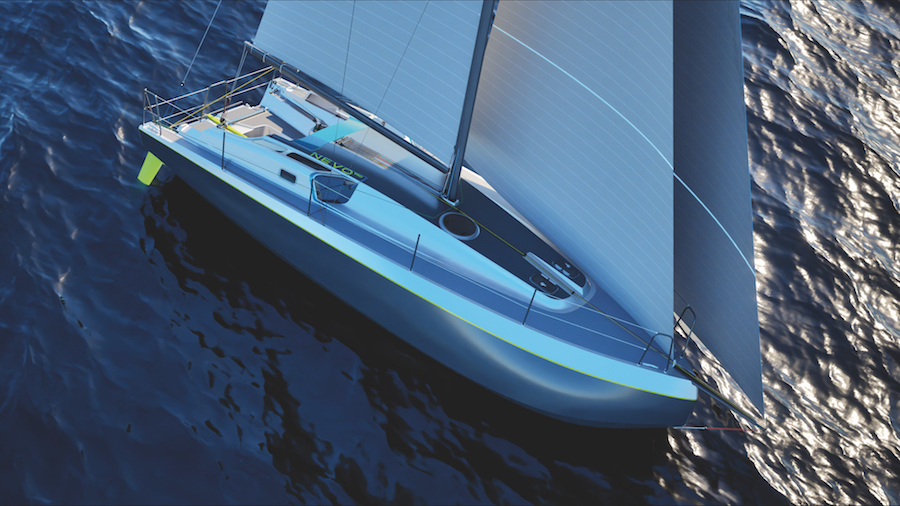
Michele Molino, nautical engineer with the sea in his vein
On the occasion of the 50th anniversary of the Journal of Sailing, the great excellences of the sailing world tell their stories and reveal their projects. In this column, discover all the companies and people who have made important contributions
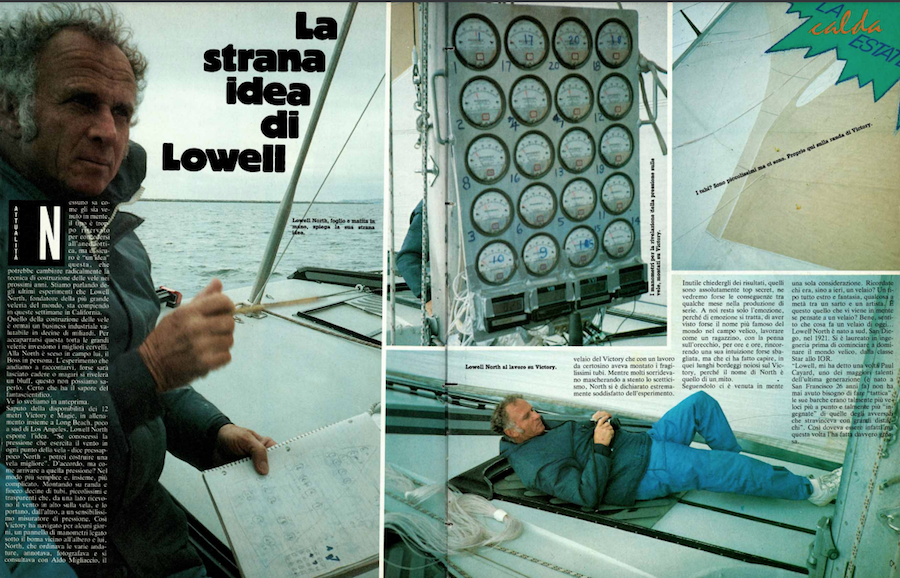
1985. The sails of the future are being born. The GdV is in, with Lowell North
Welcome to the special section “GdV 5th Years.” We are introducing you, day by day, An article from the archives of the Journal of Sailing, starting in 1975. A word of advice, get in the habit of starting your day
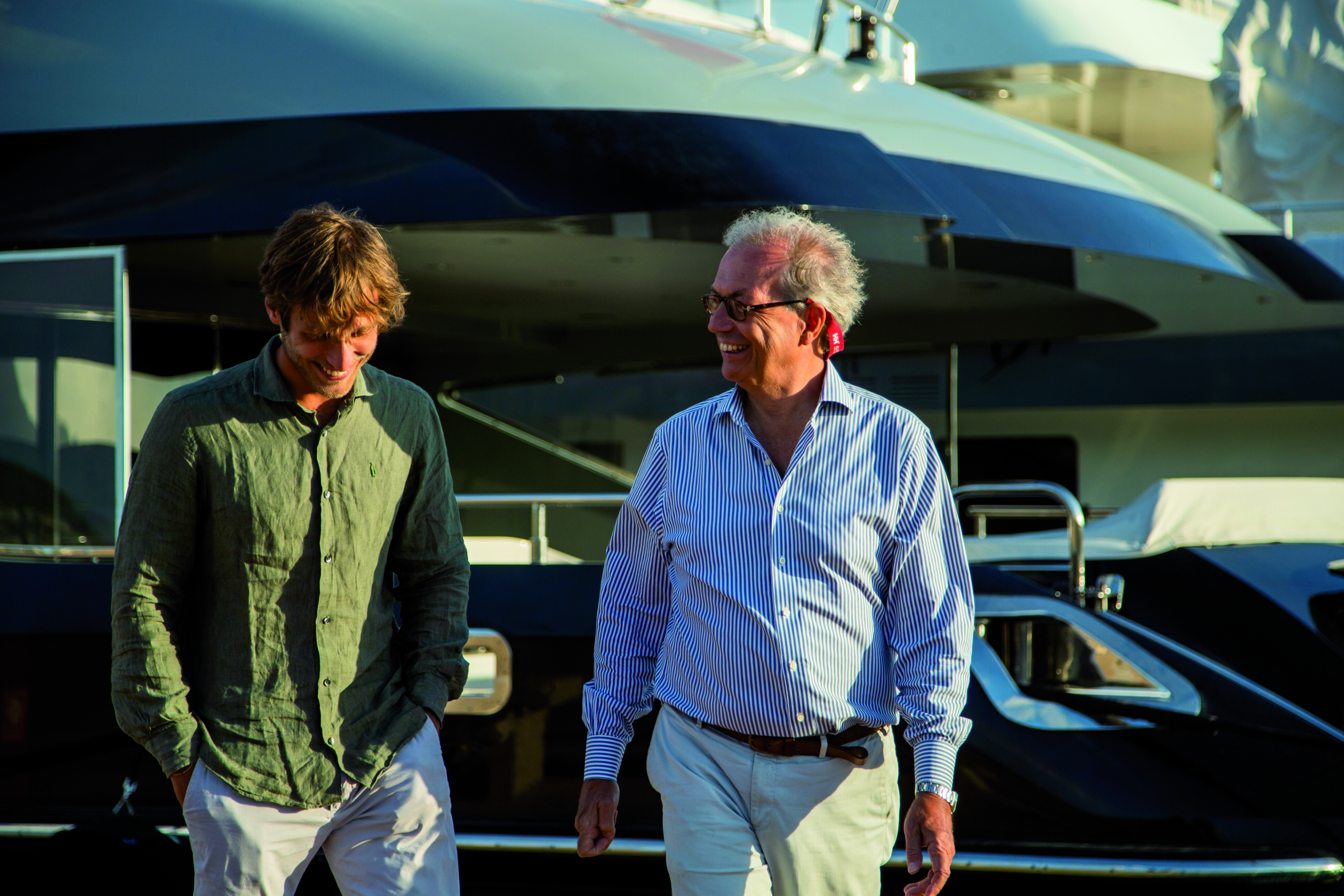
Marinedi, the integrated hospitality system
On the occasion of the 50th anniversary of the Journal of Sailing, the great excellences of the sailing world tell their stories and reveal their projects. In this column, discover all the companies and people who have made important contributions
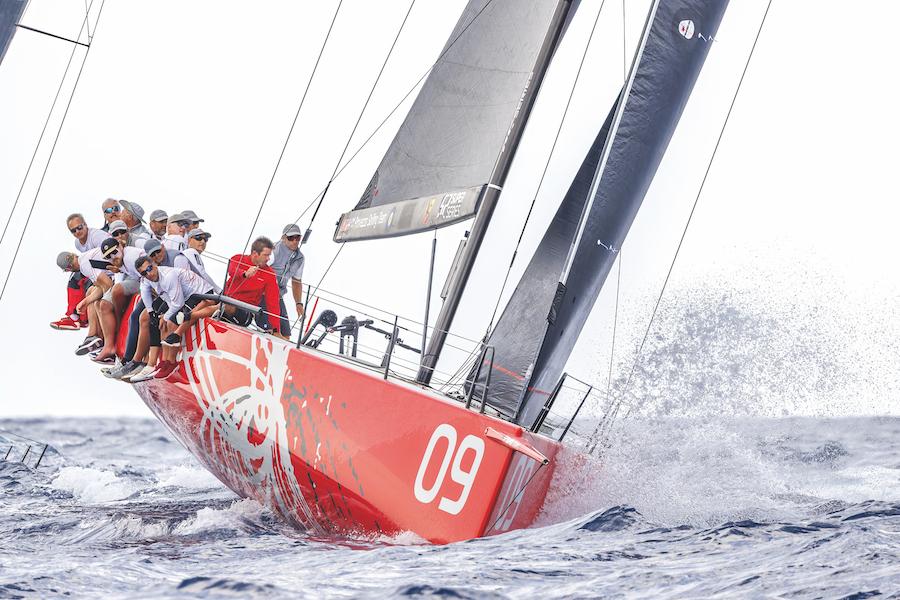
Naval revolution goes through Judel/Vrolijk study
On the occasion of the 50th anniversary of the Journal of Sailing, the great excellences of the sailing world tell their stories and reveal their projects. In this column, discover all the companies and people who have made important contributions

