
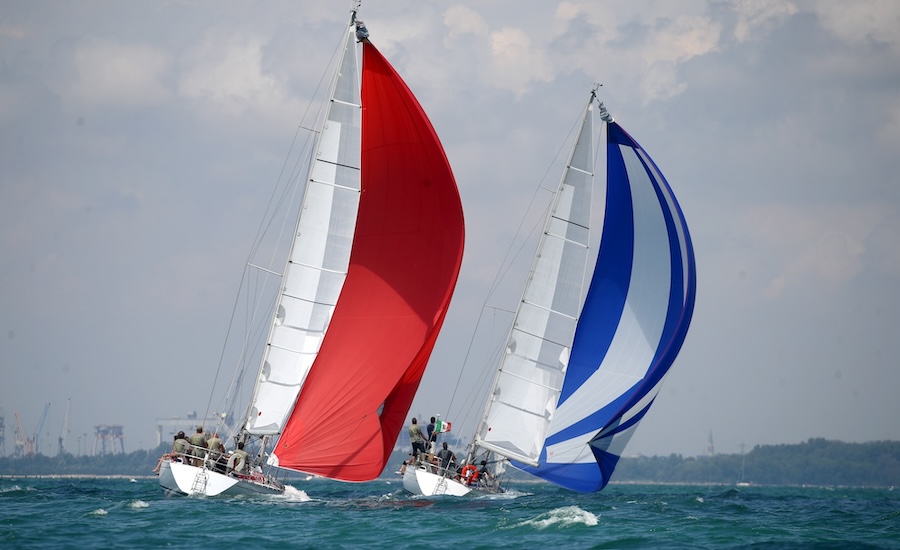
The Classic Boat Club is increasingly alive, and boats registered in the Official Register of Classic Boats of Historical Value are growing in number…
Designed to be a searchable archive, the Official Register now becomes, however, also a place of memory, telling, with its hundreds of registered boats, the story of sailing. Here, then, is the story of the Golden Age of Sailing, seen through the lens of your boats. After the previous article aimed at the period 1967-1977, here we will look at the next phase, the story that your Classic Boats can tell us about the period 1980-2000…
Boats in the Classic Boat Club, or the History of Sailing that Survives Today (PT.2; 1980-2000)
For those who have yet to find out, the Classic Boat Club is the new community reserved for fans of historic sailboats, namely Classic Boats, hulls built since 1967 and at least 25 years old. Within this, in addition to the archive of the Classic Historic Boats (and to so many benefits), also comes to life is the Official Register of Classic Boats of Historical Value, a portal dedicated to certifying the historical and collectible relevance of individual hulls, emphasizing, in both practical and cultural terms, their new value. Dedicated to the enhancement of your hulls, this registry is, in fact, not only dedicated to the certification of beautiful boats of the last century, but also aims to be a place of sharing and celebration. That is why, the Classic Boats registered, are visible to all members, creating an online space to share, even more than before, the passion for sailing.
The early 1980s
With the advent of the 1980s, the sailing world enters an increasingly “bipolar” design period. On the one hand, racing is depopulated, popularized by the pantheons of millionaire budgets (such as the America’s Cup or Admiral’s Cups) and by the many mass-produced designs intended to satisfy hybrid needs, the fast cruisers, but on the other hand there is also a different need, that of departing from these worlds, seeking pure sailing and the pleasure of cruising.
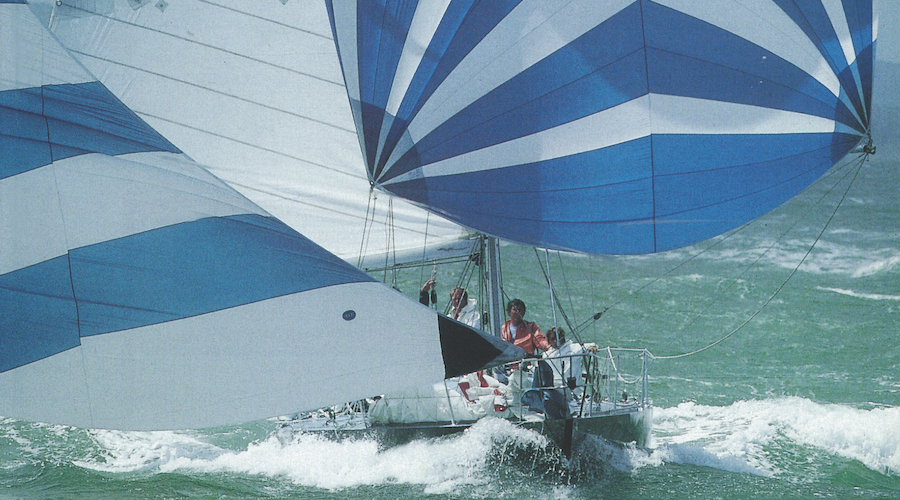
It was in this context that so many of the boats still sailing today were born, hulls like the Comet 1000 by Comar, from 1981, or the Bavaria 890, of the same, year, designed to meet quite different needs. These are witnessed in the Register, respectively. Barracuda (1981) e Elisa (1986), to which 1982 instead flanks, by design, another great little gem, the legendary First Class 8 by Beneteau, whose exceptional spokesman is Xamamina, launched in 1986.
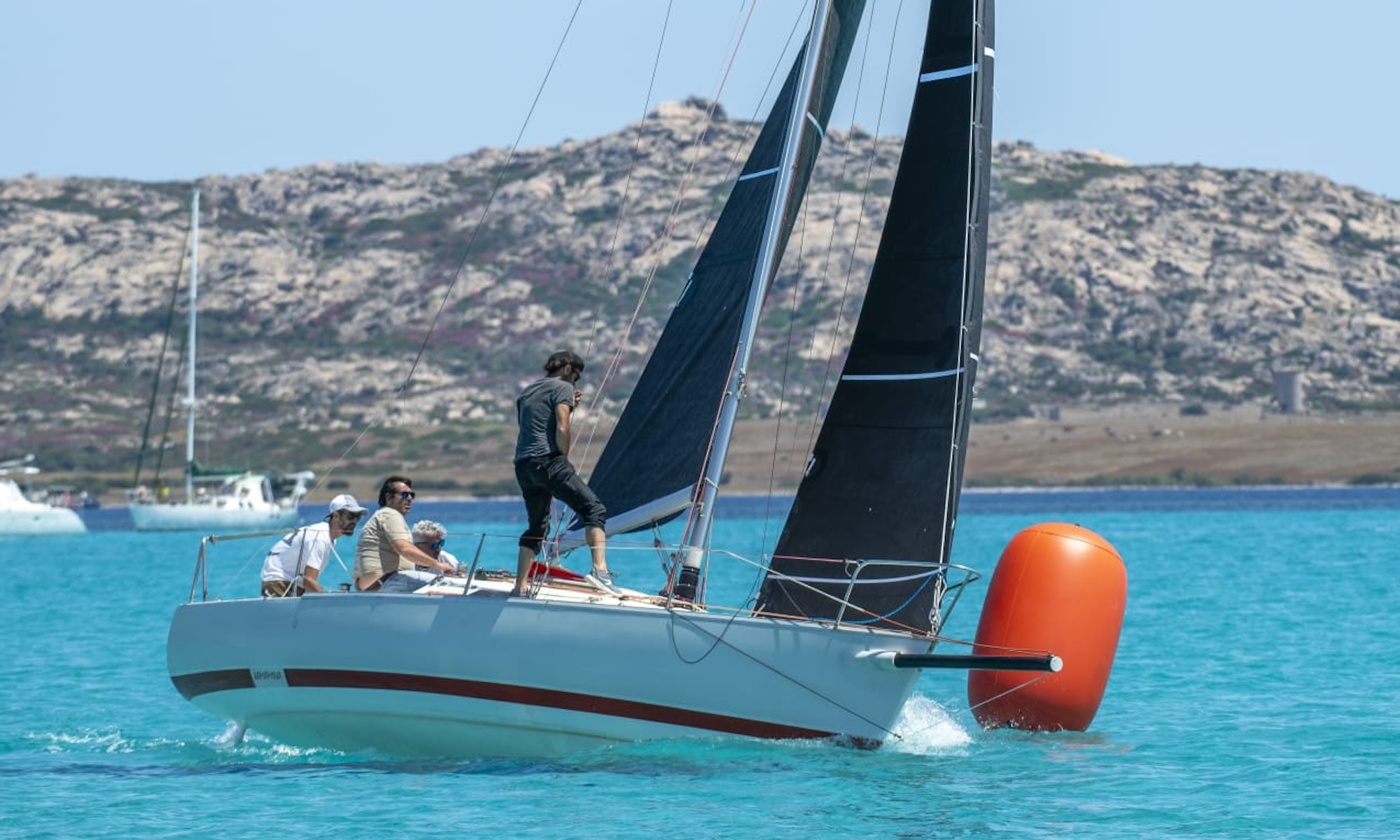
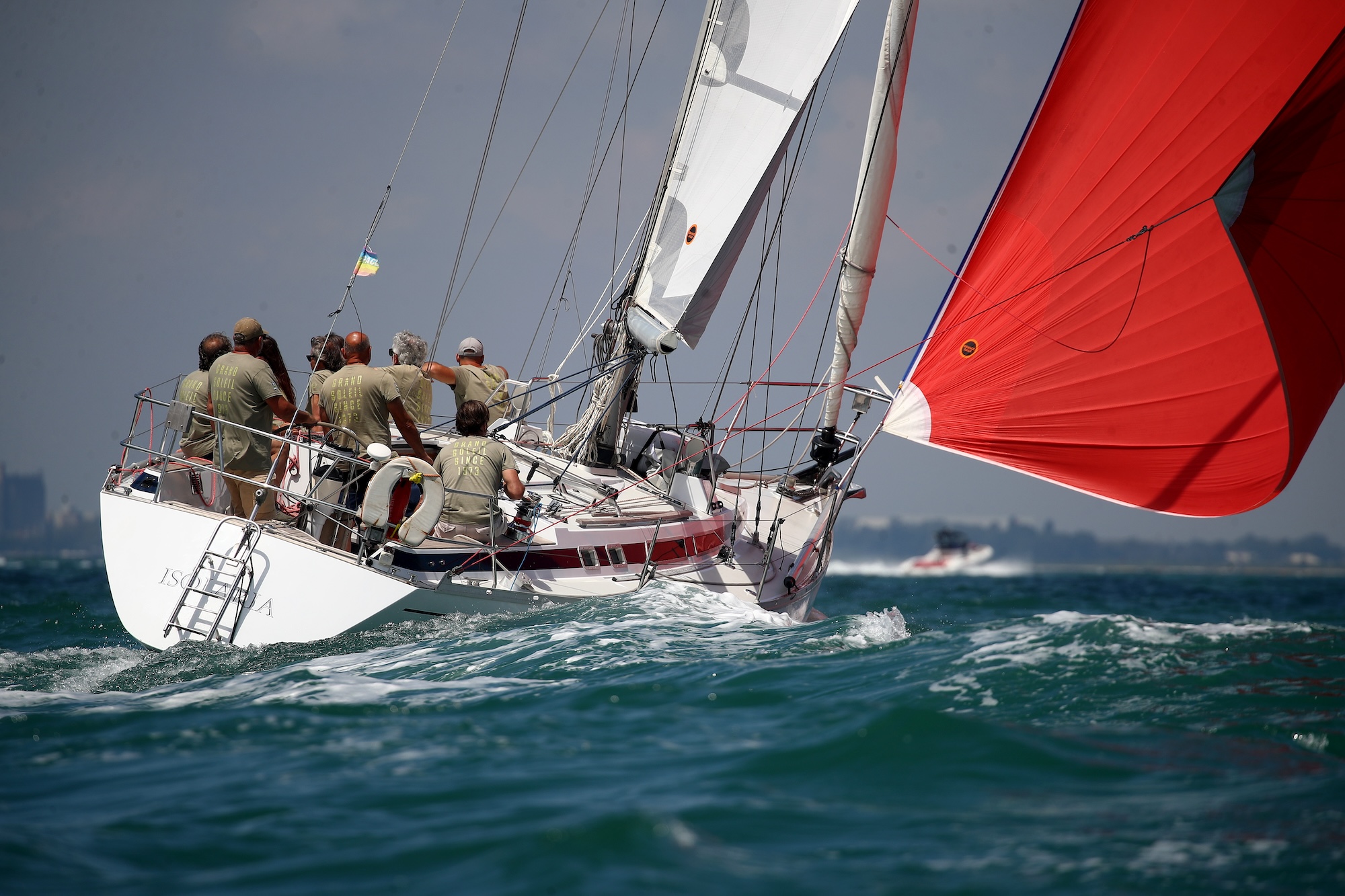
With 1983, however, we see the emergence of a Made in Italy masterpiece of the time, the Grand Soleil 39 signed by Jezequel, whose excellent witness, in this case, is. Isolaria, launched by the Cantiere del Pardo in 1984. But also from 1984 are many other projects on the registry, including the First 305, represented by Livadi (1985), the Contest 36S, of which is Maupiti (1988) the representative, or the Selection 37, to register with S3pitosa (1988).
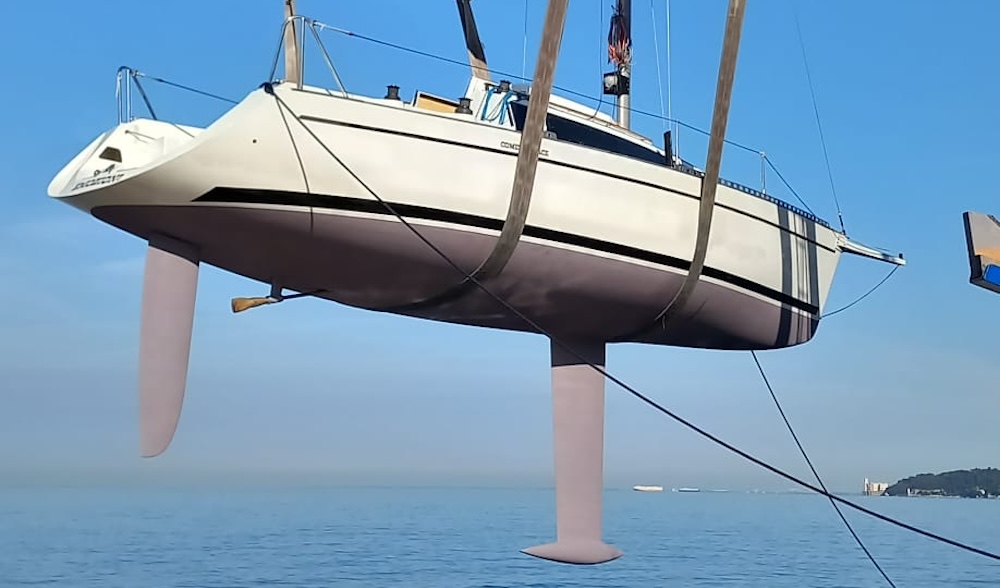
On the small racer front, however, 1984 will also give birth to the legendary Comet 28 Race, a high-performance hull to say the least, even today, as, moreover, it shows us Emotions (1986), up-to-date and still competitive. From the lakes, however, the Delta 35, with Subterfuge (1984). But it is 1985 that churns out yet another gem, and the hand is always that of Jezequel: the Grand Soleil 343, represented by Paluck, an example from 1985 itself.
The second half of the 1980s
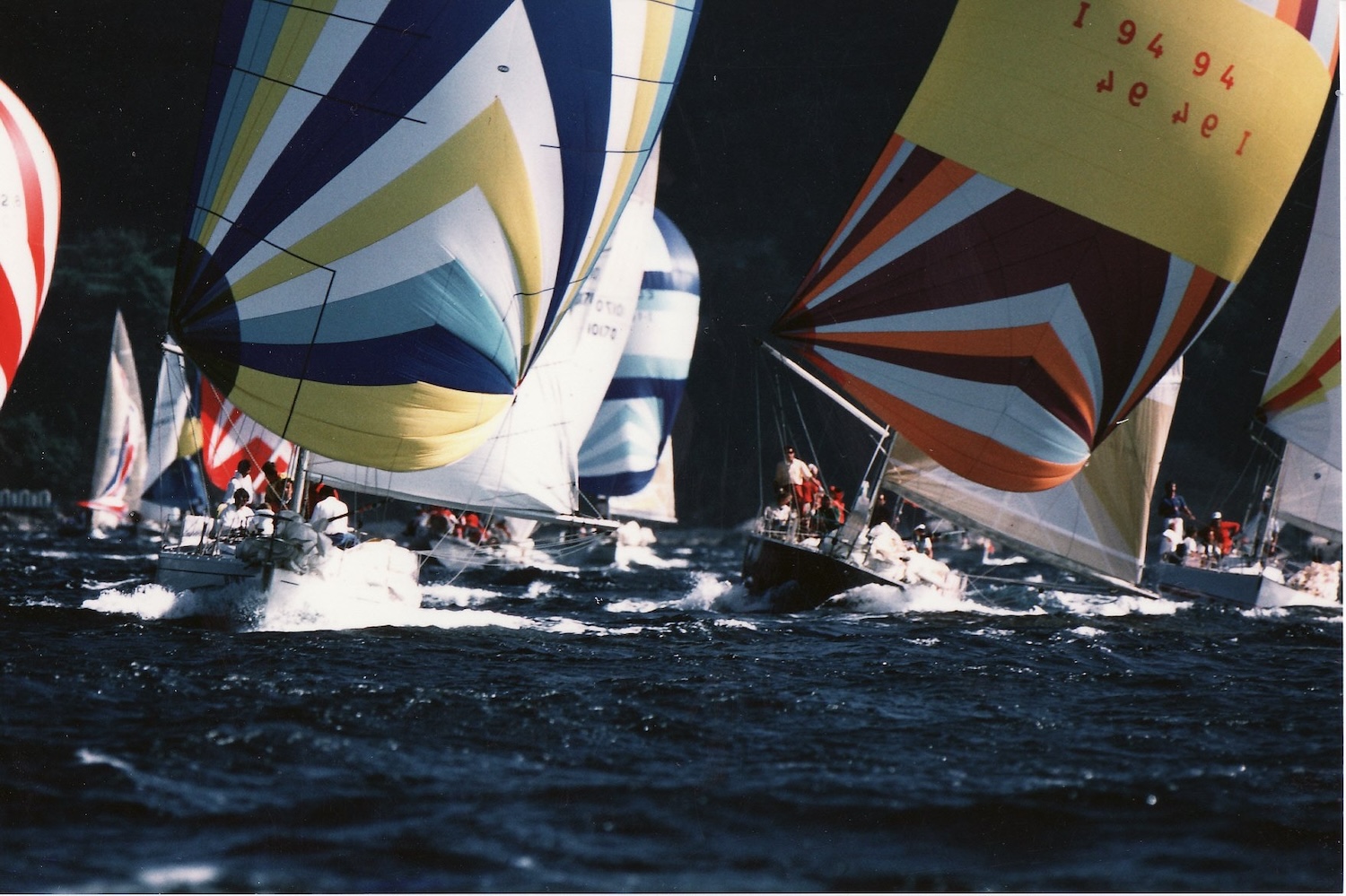
If until the early 1980s the drive toward performance and technological progression was dictated within the IOR canons, with the first half of the new decade the rule instead entered a crisis, with as many yards and as many designers ready to move away from the spirit of racing, seeing the rule system itself move toward its end. A series of conditions, these, that lead the second half of the 1980s to a preference for new designs, different from the many seen previously, and, above all, bringing us closer to the radical changes of the end of the century, with designs significantly departing from the canon and with the introduction of the new system, the IMS. It is in this still-developing context, full of new tools and new materials, that the series will later give birth to some real masterpieces. 1986, for one, demonstrated this at the Register, with no less than two hulls of excellence signed by Baltic Yachts: the Baltic 43 designed by Judel & Vrolijk, and the Baltic 48DP, signed by the master of the California school, Doug Peterson. On record, witnesses to these, Falcon II e Gaelle, from 1988 and 1987, respectively.
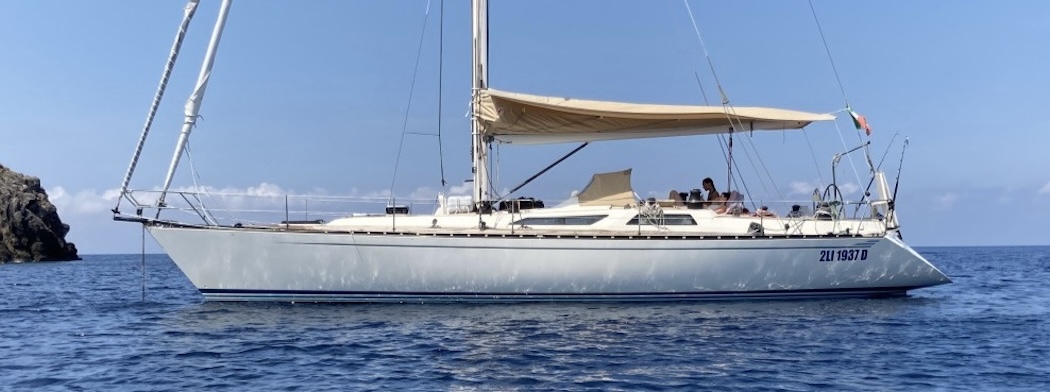
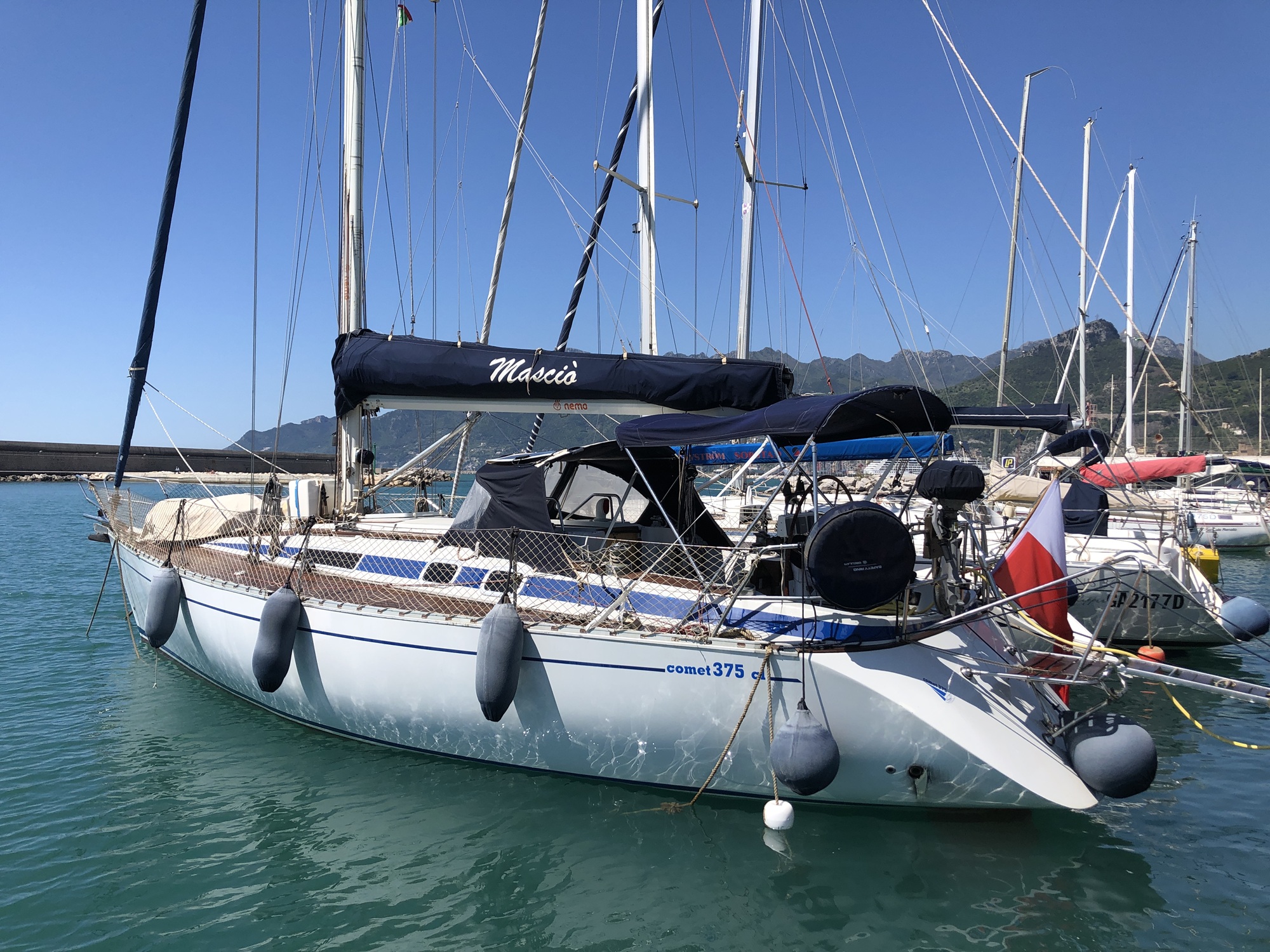
By 1987, however, one is already in the process of change, in the air, if nothing else, and production proves it. Comar immediately becomes a homegrown example of this, and launches the Comet 375 (Masciò, 1988), and the Comet 333, the latter an exceptional design by Vallicelli, later also adopted for the Giro d’Italia Sailing Tour, represented on the log by Spaghetti Swan (1987).
It was also in Italy that 3 more large hulls were then born, all within a few years, all from the Cantiere del Pardo. In 1987, in fact, the first Grand Soleil 52, giving rise to an appreciated and long-lived series, as witnessed by us Freedom, an example from 1990. But soon after that also comes the legendary Grand Soleil 45, back in ’88, and here the Register boasts two, Chaman (1993) e Be Quiet (1996). Along these lines, 1989 could therefore not be outdone, and thus saw the birth of the Grand Soleil 42, of which Guild e Elisir are splendid examples of it from 1990.
The early 1990s
With the advent of the 1990s, design is definitely approaching a new season. The advent of the new rating system, the IMS, begins to become more and more encumbered, and design canons are increasingly disrupted by the use of digital technologies, the adoption of “exotic” composite materials, and the introduction of new drifts, bulbs, and ballasts. We are on the cusp of one era at the moment when it mixes with another, producing boats that are increasingly high-performance and ever closer to our contemporary standards. Here, the great racing masterpieces are born, including undoubtedly theIMX-38 by Jeppesen, a 1992 pride of X-Yachts. These, registered through Express (1993), however, had to contend with the contemporary production of the big performers, including the Grand Soleil 50 of 1993, immediately followed by the even larger Swan 60 (1994), respectively represented by Victoria (1997) e Ulysses Portofino (1989).
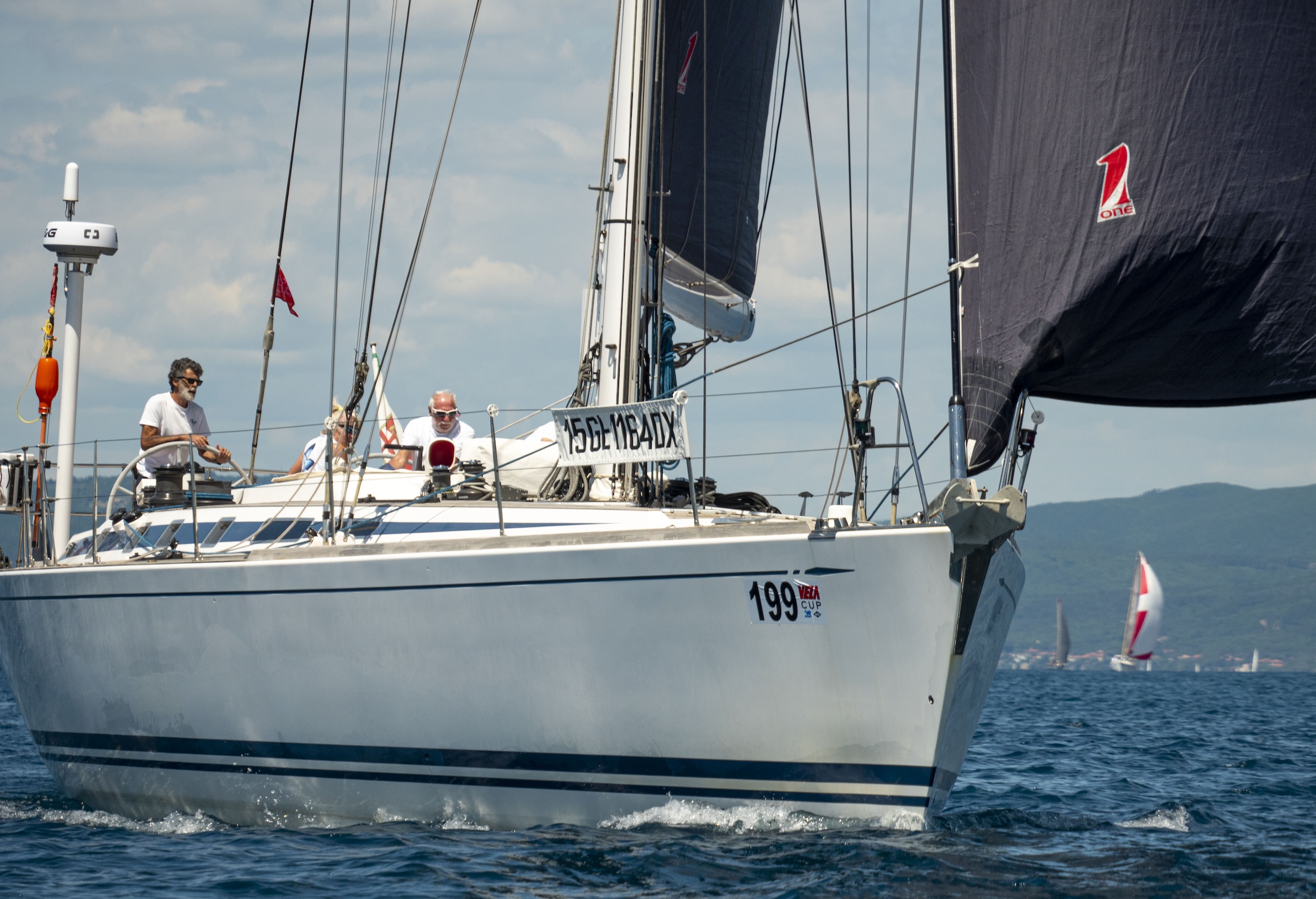
At the same time, however, performance cruisers closer to today’s concept, not disdaining cruising but undoubtedly performing, were also born. Here, witnesses to this are Fotitieng (1998), Swan 48F, and then signed Frers, and the Grand Soleil 46.3 by J&J, in the guise of C’Est la Vie (1996). But it is also the period of the bluewater boom, and Shelter (1998)-aptly named-demonstrates this, spokesman for a miniature but exceptional globetrotter, the Najad 331 of 1997.
The end of the century
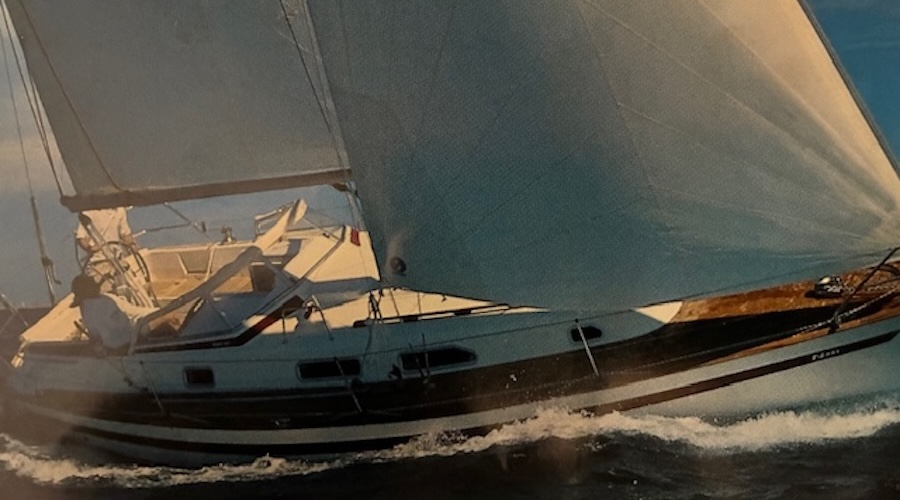
Now well into the 1990s, little remains of the design canon related to the great Classic Boats of the early days of fiberglass. The narrow, starry sterns, maximum midships beams, and wide swells have indeed come to an end, and, as perhaps only 30 years earlier, the boats now change dramatically. The maximum beams are now wider, set back from the center of the boat and much less tapered in coming toward the increasingly wide and “flattened” aft mirrors. And the sail opens, differentiating itself in no small part by production.
Just put 3 models in comparison, all of which are 1999 projects: Bololombo (2003), Mon Desir (2005) e Peekaboo (2000), respectively a Grand Soleil 43, signed J&J and still true to the line of the Leopard, a Oceanis 331 Clipper, fully devoted to small cruising, but also offshore, and a Bavaria 31, small and compact cruiser.
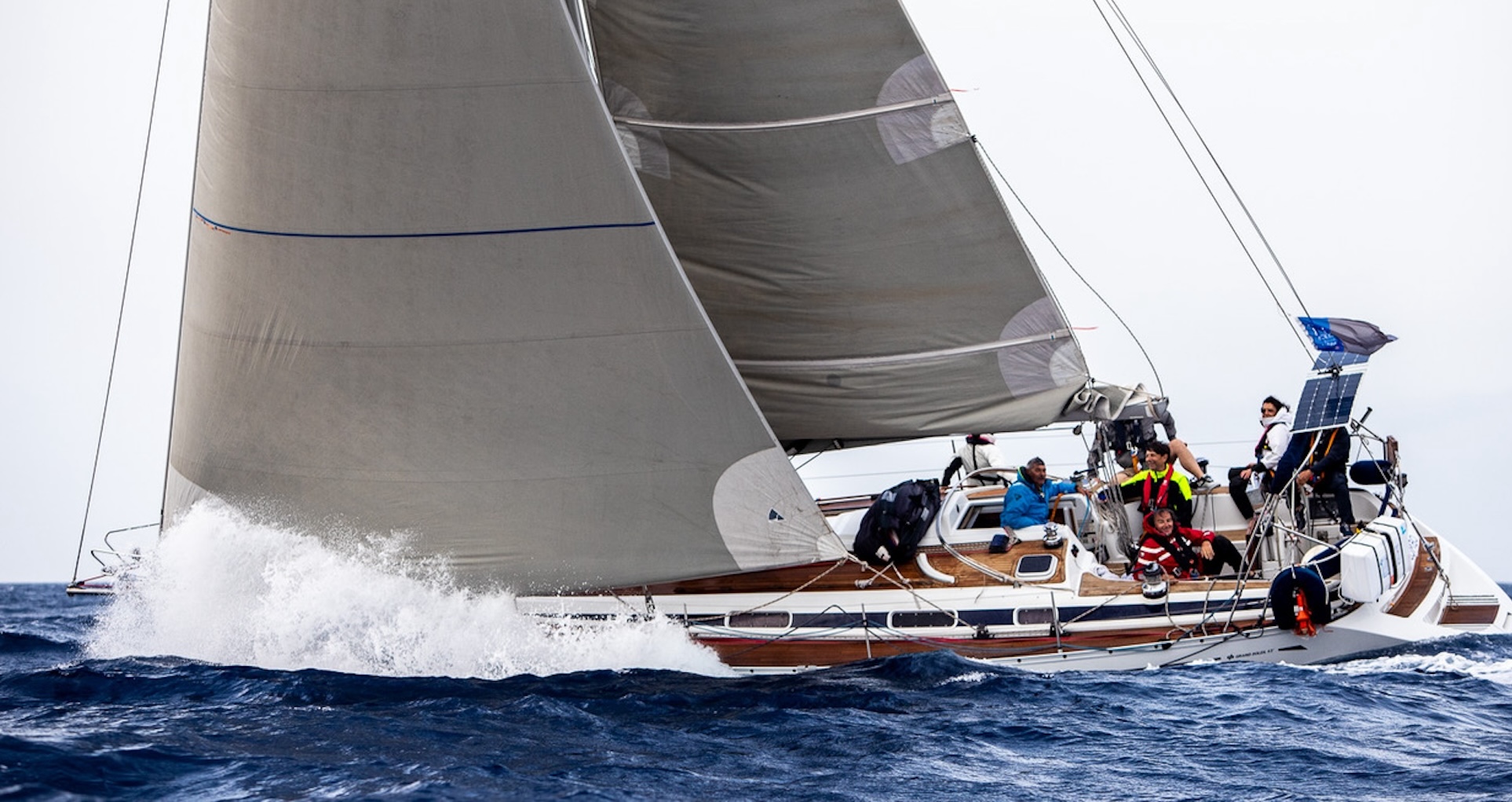
But it is 2000 that brings us the last example, the distinction: a compact cruiser and an offshore bluewater: they are Aurora e Pirro, a Bavaria 38 and a Sweden 45, very different in nature and purpose, and thus excellent witnesses to how, from ’60 to 2000, sailing has been able to change in very different directions, each ready to respond to the most diverse needs.
Vuoi vendere la tua barca? Il Classic Boat Club può fare al caso tuo
Check out the latest issue

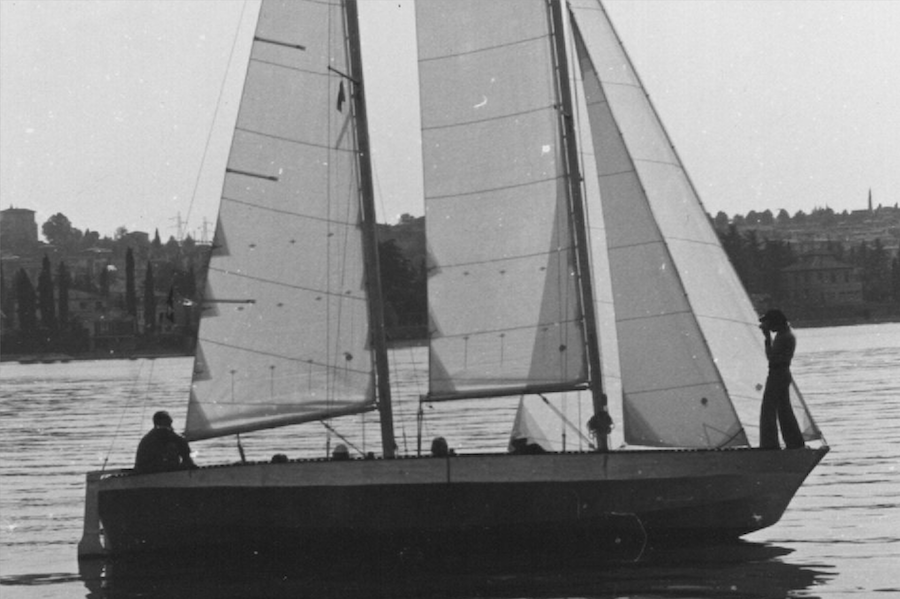
Old boat makes good board! The legendary Fraglia schooner has been “re-launched” after 50 years.
Desenzano, Lake Garda, home of the FVD, Fraglia Vela Desenzano. A Lake classic replicates its launch 50 years after the first time. It is the Fraglia schooner, a light alloy school schooner, the first in Italy to ever be built
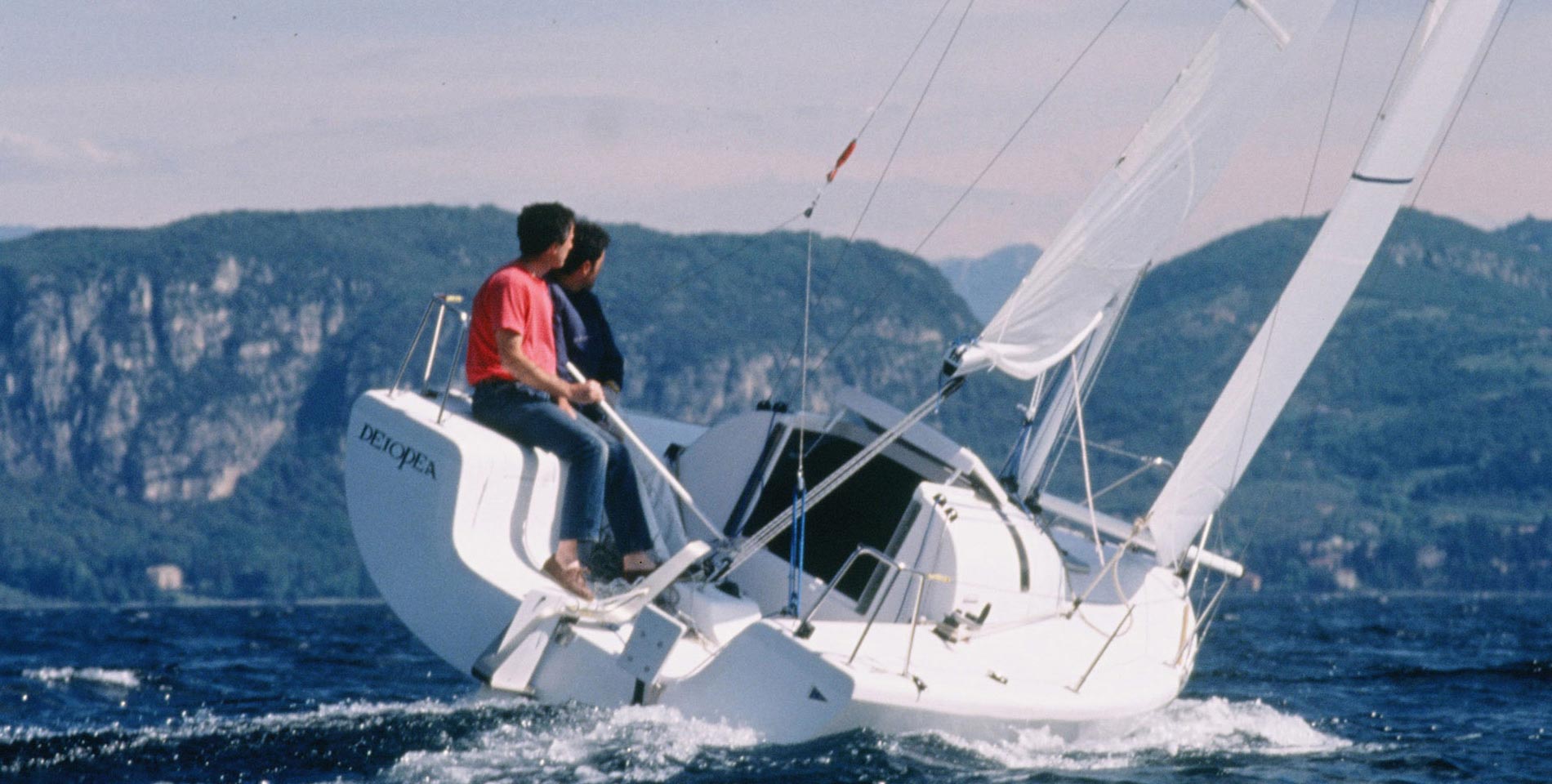
Classic Boat Cult | 6 meters overall: agile, compact and exceptional
Small, compact, exceptional. Three words to best describe 7 boats that, combined in size, we believe are absolute must-have gems-both for culture and for potential purchase. In fact, in this our review of the great Classic Boats of the past,
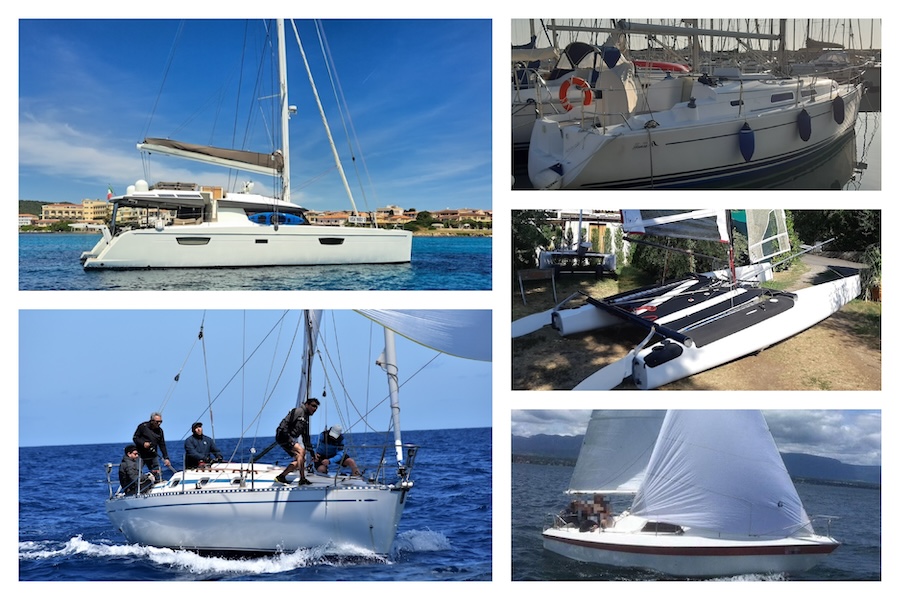
USED BOATS Sell 5 hulls for all tastes from 5 to 17 meters
We continue to explore the best bargains on the used boat front in our classifieds marketplace. Here you can sell and buy used boats (even the Historic Classic Boat by Sailing Newspaper!), accessories, berths, finding the right idea for your
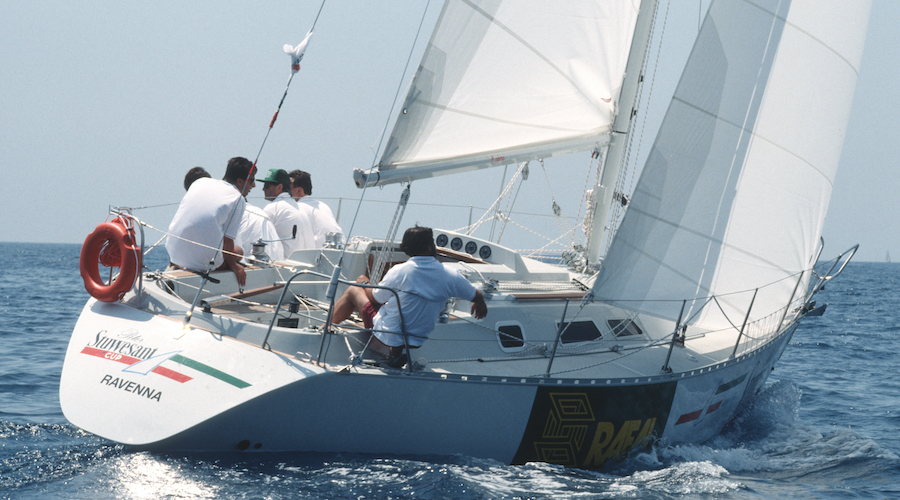
Classic Boat Club | Comet: 5 hulls celebrating Comar’s signature excellence
Forlì, 1961: Sipla, a small fiberglass Flying Junior manufacturer, is born. These are the dawn of large-scale production, and the new company soon becomes a pioneer in naval production in vtr. Growth is steady, small masterpieces such as Van de

