
Welcome to the special section “GdV 5th Years.” We are introducing you, day by day, An article from the archives of the Journal of Sailing, starting in 1975. A word of advice, get in the habit of starting your day with the most exciting sailing stories-it will be like being on a boat even if you are ashore.
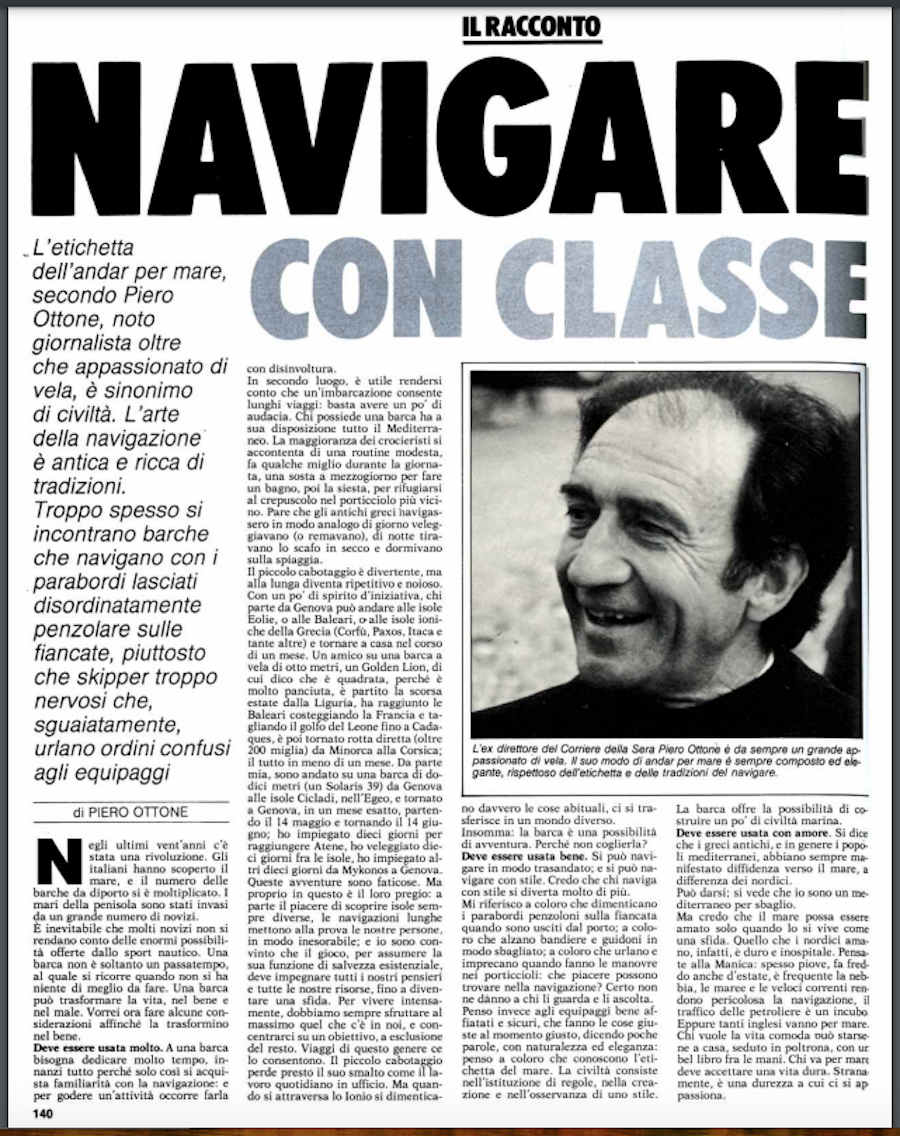
Navigating with class
Taken from the 1984 Journal of Sailing, Year 9, No. 09, October-November, pp. 140.
How does one go to sea following etiquette without being called a boor? Piero Ottone, a great journalist and yachtsman, compiled a kind of decalogue of proper going to sea, still valid today. With a few exceptions…

The etiquette of going to sea, according to Piero Ottone, a well-known journalist as well as a sailing enthusiast, is synonymous with civilization. The art of sailing is ancient and rich in tradition. All too often, one encounters boats sailing with fenders haphazardly left dangling over the sides, rather than overly nervous skippers loudly shouting confused orders to crews.
In the last two decades there has been a revolution. Italians have discovered the sea, and the number of pleasure boats has multiplied. The seas of the peninsula have been invaded by large numbers of novices. It is inevitable that many novices do not realize the enormous possibilities offered by water sports. A boat is not just a pastime, to which people resort when they have nothing better to do. A boat can transform lives, for better or worse. I would now like to make some considerations so that they will transform it for the good.
It must be used a lot. A lot of time must be devoted to a boat, first of all because only then does one become familiar with sailing: and to enjoy an activity one must do it with ease. Secondly, it is useful to realize that a boat allows for long journeys: you just need to have some daring. Boat owners have the entire Mediterranean at their disposal. Most cruisers are content with a modest routine, making a few miles during the day, a midday stop for a swim, then a siesta, to take refuge at dusk in the nearest marina. Apparently, the ancient Greeks sailed in a similar way: by day they sailed (or rowed), by night they pulled the hull dry and slept on the beach. Small-cabotage is fun, but in the long run it becomes repetitive and boring.
With a little initiative, someone who leaves from Genoa can go to the Aeolian Islands, or the Balearic Islands, or the Ionian Islands of Greece (Corfu, Paxos, Ithaca and many others) and return home in the course of a month. A friend on an eight-meter sailboat, a Golden Lion, of which I say she is square, because she is very pot-bellied, sailed last summer from Liguria, reached the Balearic Islands by skirting France and cutting through the Gulf of Lion to Cadaques, then returned direct route (over 200 miles) from Menorca to Corsica; all in less than a month. For my part, I went on a twelve-meter boat (a Solaris 39) from Genoa to the Cyclades Islands in the Aegean Sea and back to Genoa, in exactly one month, leaving on May 14 and returning on June 14; it took me ten days to reach Athens, I sailed ten days among the islands, I took another ten days from Mykonos to Genoa.

These adventures are tiring. But therein lies their virtue: apart from the pleasure of discovering ever-different islands, long sailings test our people, inexorably; and I am convinced that play, in order to assume its function as existential salvation, must engage all our thoughts and all our resources, until it becomes a challenge. To live intensely, we must always make the most of what is in us, and focus on one goal to the exclusion of the rest. Journeys of this kind allow us to do so. Small-cabotage soon loses its polish as does daily office work. But when you cross the Ionian you really forget the usual things, you move into a different world. In short: the boat is a chance for adventure. Why not seize it?
It must be used well. You can sail sloppily; and you can sail with style. I believe that those who sail in style have much more fun. I refer to those who forget the fenders dangling over the side when they have left port; those who raise flags and pennants in the wrong way; those who shout and swear when maneuvering in marinas: what pleasure can they find in sailing? Certainly they give none to those who watch and listen to them. Instead, I think of crews who are well-matched and safe, who do the right things at the right time, saying few words, naturally and elegantly: I think of those who know the etiquette of the sea. Civility consists in the establishment of rules, the creation and observance of a style. The boat offers a chance to build some marine civilization.
It must be used with love. The ancient Greeks, and Mediterranean peoples in general, are said to have always expressed distrust of the sea, unlike the Northerners. That may be so; you can see that I am a Mediterranean by mistake. But I think the sea can only be loved when one experiences it as a challenge. What Northerners love, in fact, is harsh and inhospitable. Think of the English Channel: it often rains, it is cold even in summer, fog is frequent, tides and fast currents make navigation dangerous, tanker traffic is a nightmare. Yet so many British people go to sea. Those who want the comfortable life can sit at home in an armchair with a good book in their hands. Those who go to sea must accept a hard life. Strangely enough, it is a hardness that one becomes passionate about.
by Piero Ottone
Check out the latest issue

Michele Molino, nautical engineer with the sea in his vein
On the occasion of the 50th anniversary of the Journal of Sailing, the great excellences of the sailing world tell their stories and reveal their projects. In this column, discover all the companies and people who have made important contributions
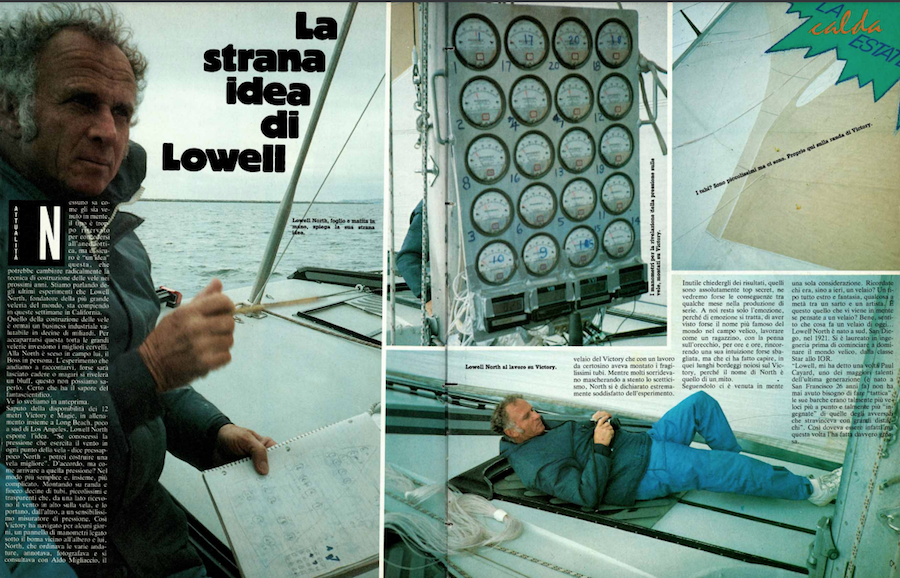
1985. The sails of the future are being born. The GdV is in, with Lowell North
Welcome to the special section “GdV 5th Years.” We are introducing you, day by day, An article from the archives of the Journal of Sailing, starting in 1975. A word of advice, get in the habit of starting your day
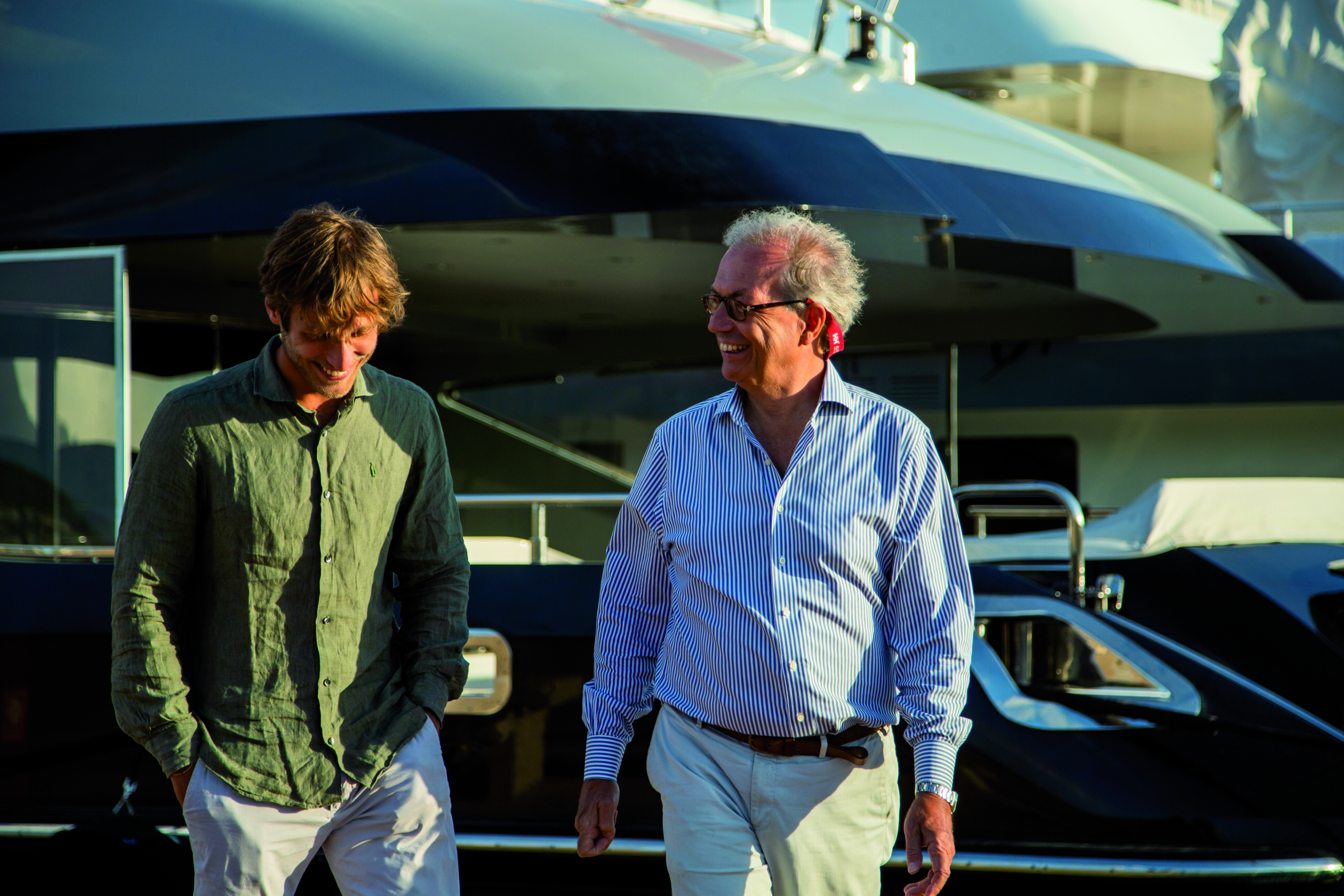
Marinedi, the integrated hospitality system
On the occasion of the 50th anniversary of the Journal of Sailing, the great excellences of the sailing world tell their stories and reveal their projects. In this column, discover all the companies and people who have made important contributions
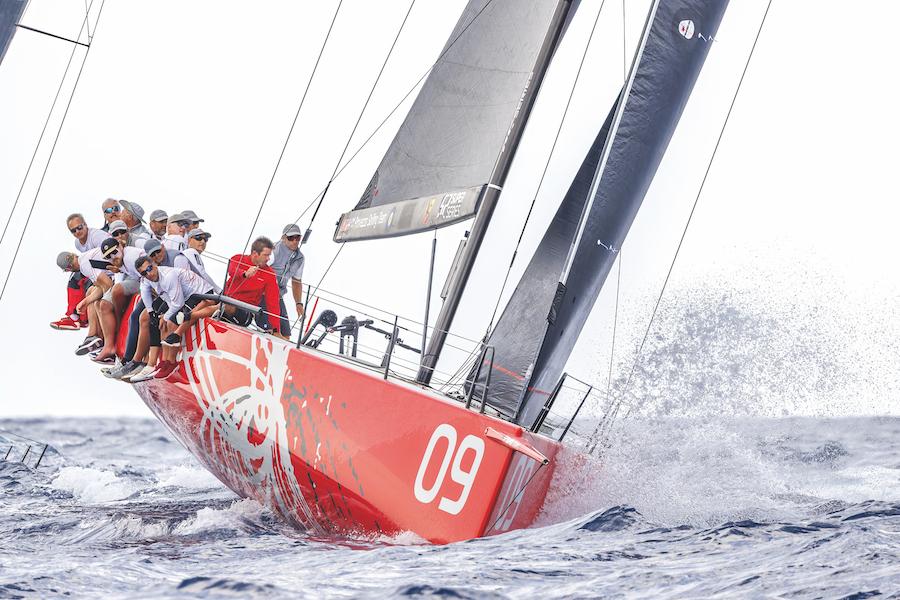
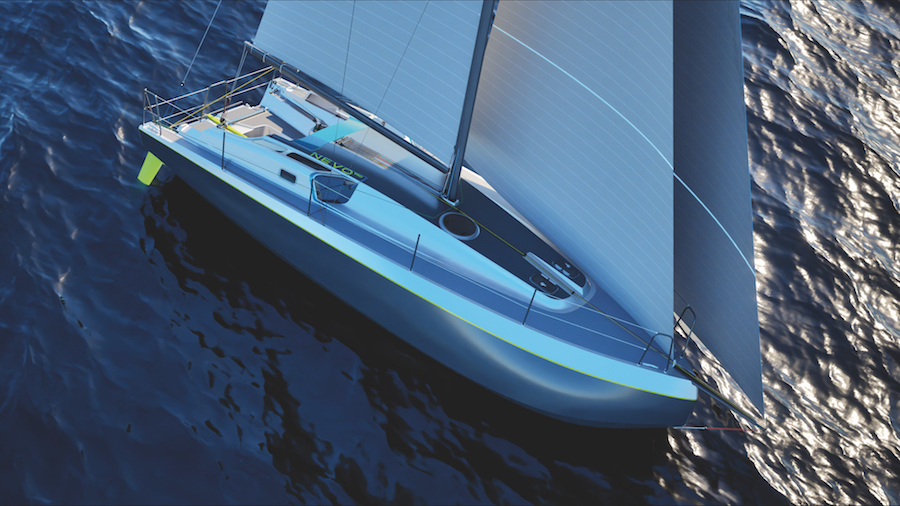
Naval revolution goes through Judel/Vrolijk study
On the occasion of the 50th anniversary of the Journal of Sailing, the great excellences of the sailing world tell their stories and reveal their projects. In this column, discover all the companies and people who have made important contributions

